


Contact Lens Care: The Complete Guide
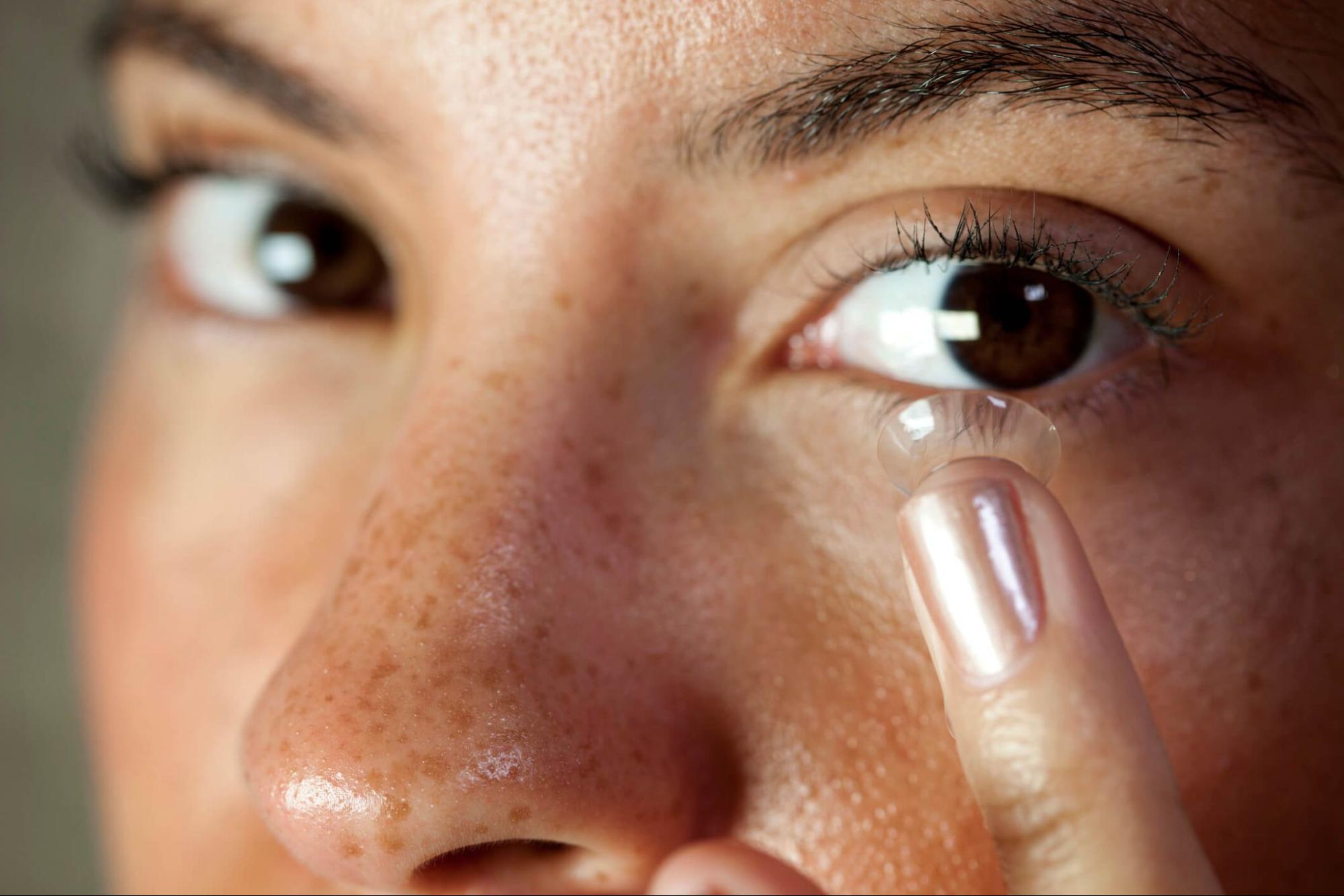
Contact lenses are low maintenance, but they are not no maintenance. Every pair sits directly on the cornea, and every shortcut in cleaning, storage, or wear time gives bacteria a faster path to the eye. Most lens-related infections are preventable. The habits that stop them take less than two minutes a day.
Contact lens care is not complicated, but it is non-negotiable. Every step, from washing hands before touching a lens to replacing the contact lens case every three months, exists to prevent infections that can escalate within hours. The habits are simple. The consequences of skipping them are not.
Why Contact Lens Care Matters
Contact lenses are FDA-classified medical devices. Wearing them safely requires consistent hygiene, not occasional effort. The Centers for Disease Control and Prevention (CDC) reports that contact lens-related eye infections can
increase the risk of long-term damage. With an estimated nearly one million doctor visits per year in the United States related to these types of contact lens eye infections, failure to properly wear, clean, and store lenses is what increases the risk.
Poor care habits cause the majority of preventable lens-related injuries. Sleeping in lenses, reusing old solution, rinsing with water, and overwearing are the most frequent offenders. Each one introduces bacteria to the lens surface or the eye, and each one is avoidable.
How to Care for Contact Lenses: The Daily Routine
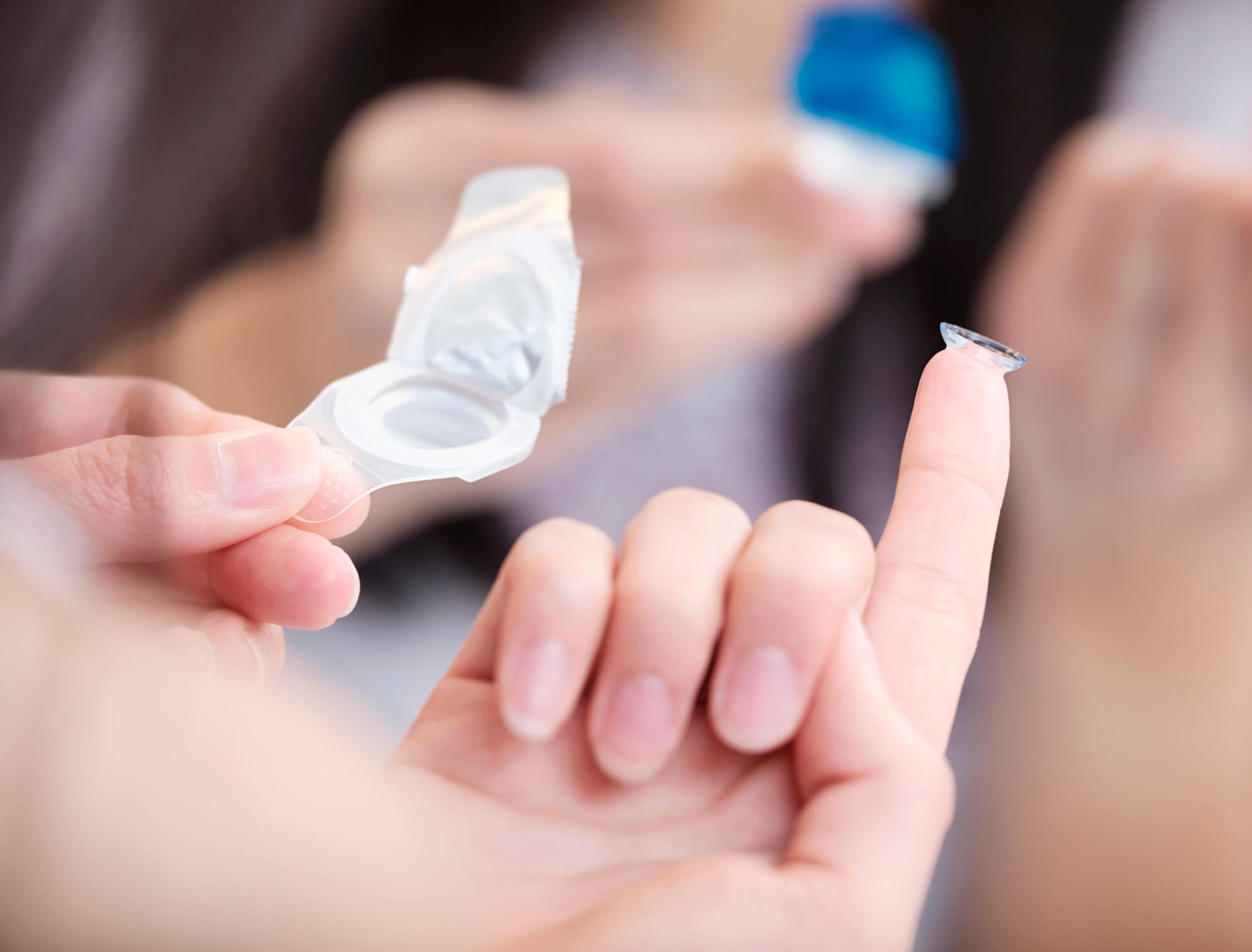
The daily care routine for soft contact lenses follows four steps. Each one protects the lens surface and the eye from bacterial contamination.
Step 1: Wash and Dry Your Hands
Use soap and water every time, before insertion and before removal. Dry with a lint-free towel. Oils, lotions, and debris on your fingers transfer directly to the lens surface and from there to the cornea. If you are new to lenses, a step-by-step insertion guide covers the full process.
Step 2: Remove, Rub, and Rinse Each Lens
Place the lens in your palm, apply a few drops of fresh contact lens solution, and rub gently with your index finger for about 20 seconds. Then rinse the lens with more solution to wash away loosened deposits.
When it comes how to clean contact lenses properly, the “rub and rinse” method applies even if the bottle says “no-rub.” The CDC and the American Academy of Ophthalmology both recommend manual rubbing because it removes significantly more bacteria and protein buildup than soaking alone.
Step 3: Store in Fresh Solution
Empty the old solution from the contact lens case. Fill each compartment with fresh solution. Never top off yesterday’s solution with new; mixing reduces the disinfecting strength and creates an environment where bacteria survive.
Step 4: Clean and Air-Dry the Case
After inserting your contact lenses in the morning, rinse the empty case with fresh solution (not water), wipe the inside with a clean finger, and leave both compartments open to air dry face-down on a clean tissue. Replace the case at least every three months, even if it looks clean. Bacteria colonize the plastic over time, and no amount of rinsing eliminates them completely.
Daily disposable wearers: Skip Steps 2 through 4. Insert a fresh pair each morning and discard them at the end of the day. No cleaning, no case, no solution required.
Contact Lens Solution: Which Type Do You Need?
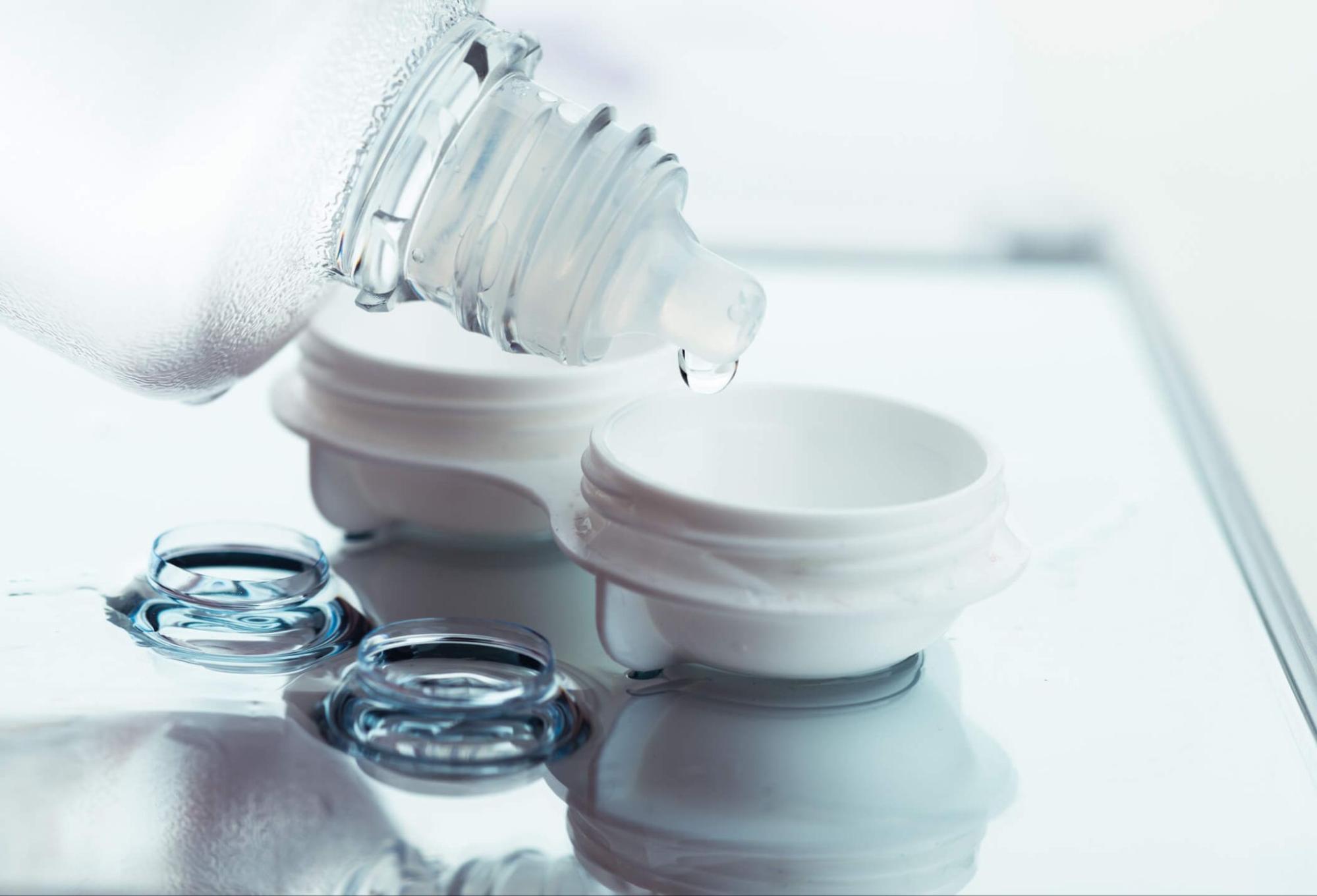
Not all contact lens solution products serve the same purpose. Three types cover the majority of soft lens care, and each works differently.
Multipurpose solution is the most common choice. It cleans, rinses, disinfects, and stores lenses in a single product. Apply it during the rub-and-rinse step and again when filling the case for overnight storage.
Hydrogen peroxide solution provides stronger disinfection and is often recommended for wearers with allergies or sensitivity to preservatives in multipurpose formulas. It requires a special neutralizing case and a full soak cycle of at least six hours. Inserting a lens before the neutralization cycle is complete will cause burning and irritation. Follow the timing instructions exactly.
Despite assumptions, saline solution rinses does not disinfect them. It is used alongside other cleaning systems, not as a standalone care product.
One substitution that comes up frequently: using eye drops in place of solution. Eye drops relieve dryness but do not clean or disinfect lenses. Using them as a replacementcreates risk, not convenience. The same applies to tap water and saliva. Neither one is sterile, and both introduce bacteria directly to the lens.
Contact Lens Case Hygiene
The contact lens case is one of the most overlooked sources of contamination in lens care. Replace the case at least every three months. Rinse it with fresh solution after each use. Never rinse with water. Air dry face-down on a clean tissue with the caps off. The goal is to prevent moisture from sitting in the case between uses, because standing moisture is where bacteria thrive.
If your case shows visible discoloration, cracking, or buildup, replace it immediately, regardless of when you last switched.
How Long Can You Wear Contact Lenses?
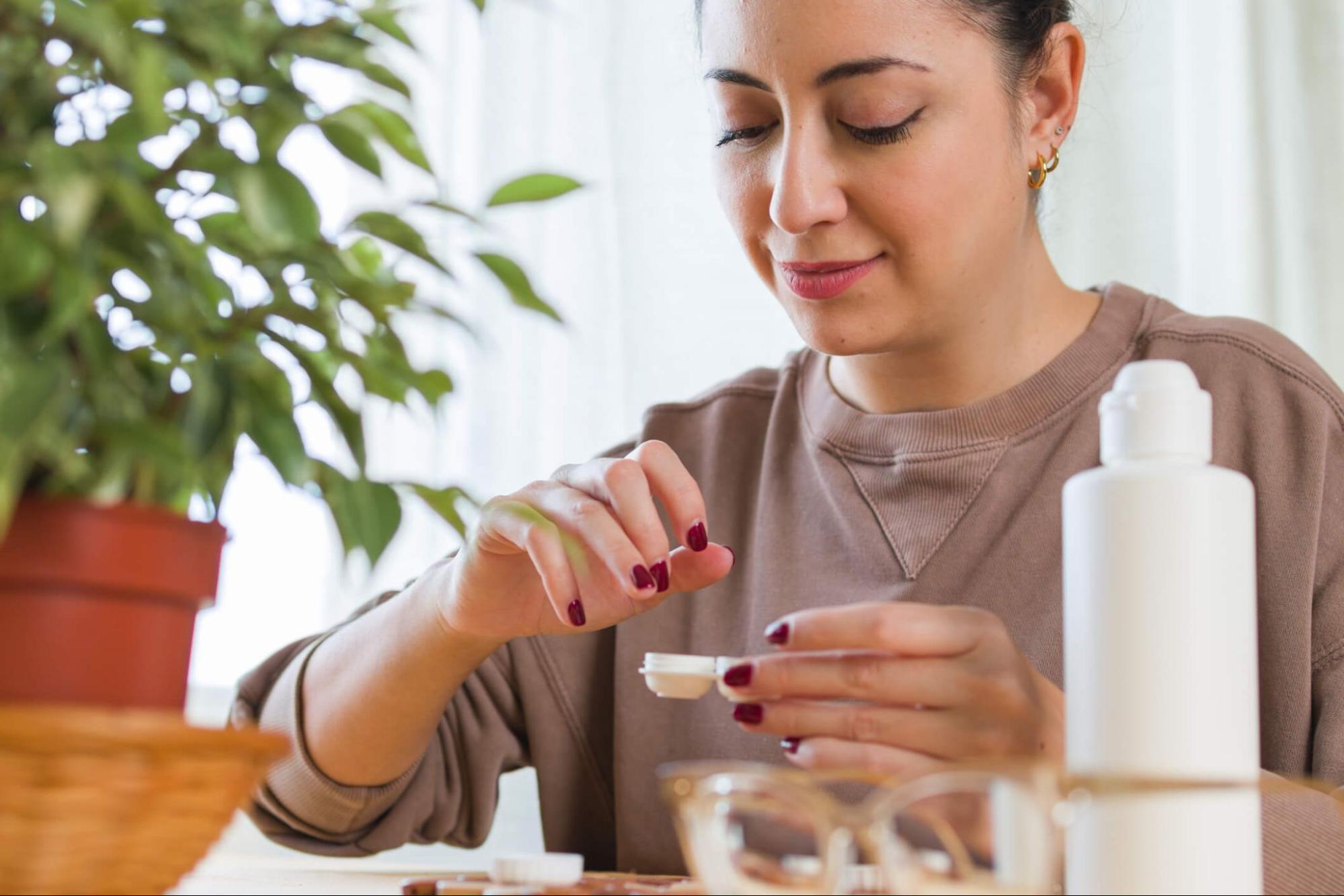
How longcan youwear contact lenses safely depends on the lens type. Daily disposables are designed for a single use; weekly lenses last 7 days. Monthly lenses last 30 days. Extended wear lenses are approved for overnight use, but only under an eye doctor’s supervision.
Overwear is one of the most common causes of lens-related complications. Stretching a daily lens into two days, or a monthly lens into six weeks, allows protein and lipid deposits to build up beyond what cleaning can remove. That buildup reduces oxygen flow to the cornea and increases infection risk.
As a general guideline, most soft contact lenses should not be worn for more than 10 to 14 hours per day unless they are specifically designed for extended wear and your doctor has approved it.
Dry Eyes and Contact Lenses
Dry eyes are the most common comfort complaint among contact lens wearers. Contributing factors include extended screen time(reduced blink rate), air conditioning and indoor heating (low humidity), dehydration, certain medications such as antihistamines, and natural changes in tear production that come with aging.
For short-term relief, use preservative-free rewetting drops labeled specifically for contact lens use. Standard eye drops marketed for redness relief contain ingredients that can interact with lens materials and make the problem worse.
For long-term management, talk to your eye doctor about lenses engineered for dry eyes or about switching to daily disposables, which start each day with a fresh moisture layer.
Things You Should Never Do With Contact Lenses
Each of these rules exists because breaking it introduces bacteria, restricts oxygen, or damages the cornea.
- Never sleep in contact lenses unless your doctor has prescribed extended-wear contacts. Closed eyelids plus a lens significantly reduce oxygen flow to the cornea.
- Never rinse or store lenses in water. Tap water, distilled water, pools, showers, and hot tubs all contain microorganisms that attach to lenses and cause serious infections.
- Never share lenses with another person. Eyes differ in size, shape, and bacterial profile. Sharing transfers bacteria directly onto the cornea.
- Never wear old lenses or use expiredsolution. The solution loses its disinfecting strength. Expired lenses degrade in both material integrity and sterility.
- Never ignore contact lens irritation or discomfort. Redness, pain, blurred vision, or discharge are warning signs, not adjustment symptoms. Remove the lenses immediately and do not reinsert them.
When to Replace Your Lenses

Follow the replacement schedule your eye doctor prescribes. Do not stretch it, even if the lenses still feel comfortable.
- Daily Disposables: discard after one use.
- Weekly Lenses: replace every 7 days.
- Monthly Lenses: replace every 30 days.
Overworn lenses accumulate protein deposits that cleaning cannot fully remove. Those deposits reduce oxygen permeability, create an uneven surface that irritates the cornea, and harbor bacteria. Comfort is not a reliable indicator; a lens can feel fine and still be past its safe lifespan.
Daily vs. Monthly Contacts: How Care Differs
Daily disposables require the least maintenance of any soft contact lens. No cleaning routine, no case, no solution. That simplicity also means the lowest infection risk, because no bacteria have time to accumulate on the lens surface.
Monthly lenses require a full nightly cleaning and disinfection routine: rub, rinse, store in fresh solution, clean and dry the case. They cost less per lens than dailies but demand more discipline. Skipping even one night of cleaning increases the bacterial load on the lens.
The right choice depends on lifestyle, budget, and how consistently you follow a care routine.
When to See Your Eye Doctor

Annual eye exams are the baseline, even if vision feels fine. Contact lens prescriptions expire for a reason: fit, comfort, and corneal health can change without noticeable symptoms.
See your doctor the same day if you experience any of the following while wearing or after removing contact lenses: persistent redness that does not resolve within an hour of removing lenses, eye pain, sensitivity to light, sudden blurred vision, or discharge.
These symptoms can signal keratitis or another eye infection that escalates fast. Do not attempt to clean and reinsert the lenses. Wear glasses until your appointment.
Contact Lens Care Starts With the Right Products
Proper contact lens care starts with the right solution, a clean case, and lenses replaced on schedule. The routine takes less than two minutes a day. The protection it provides lasts as long as you wear lenses.
Browse Perfect Lens World’s lens care products for multipurpose solutions, hydrogen peroxide systems, rewetting drops, and replacement cases. Ready to reorder your lenses?Shop our collection of contact lens brands to find your perfect pair.

