


7 Common Causes of Dry Contact Lenses (and How to Avoid Them)

If you've ever worn contacts, you know the worst thing is wearing them when they've dried out. Dry contact lenses are uncomfortable. Also, they can harm your eyes if worn for long periods of time. So how do you overcome dry contacts? And can you prevent it from happening?
There are several factors that could contribute to dry contacts. It can be anything from sickness, lifestyle choices or the environment around you. But don't lose faith! We've put together a list of the seven most common causes of dry contacts and how to remedy the problem.
1. You're Sick

Colds, allergies, and the flu can take a toll on your entire body, including your eyes. Many medications used to treat illness, such as antihistamines and decongestants, can reduce tear production and lead to dryness.
How to help:
When you’re sick, give your eyes a break from contact lenses. Wear your glasses for a few days, stay hydrated, and use artificial tears to help restore natural moisture.
2. You're Dehydrated

If you aren’t drinking enough water, your eyes will feel it too. Dehydration reduces the moisture in your tear film, which keeps your contacts comfortable and your eyes protected.
How to help:
- Drink plenty of water throughout the day.
- Limit caffeine and alcohol, which can worsen dehydration.
- Use lubricating eye drops if your eyes start to feel dry.
Hydrated eyes mean hydrated contacts and much less discomfort.
3. Expired Contact Lenses
Every type of contact lens has a specific wear schedule for a reason. Wearing lenses past their expiration date can reduce oxygen flow to your eyes, dry them out, and increase the risk of infection.
How to help:
- Follow your replacement schedule exactly, whether daily, biweekly, or monthly.
- Never reuse old lenses.
- Replace your contact solution and case regularly to prevent bacteria buildup.
Contacts that are past their lifespan lose their protective moisture layer, which can quickly lead to dryness and irritation.
4. You’re Getting Older
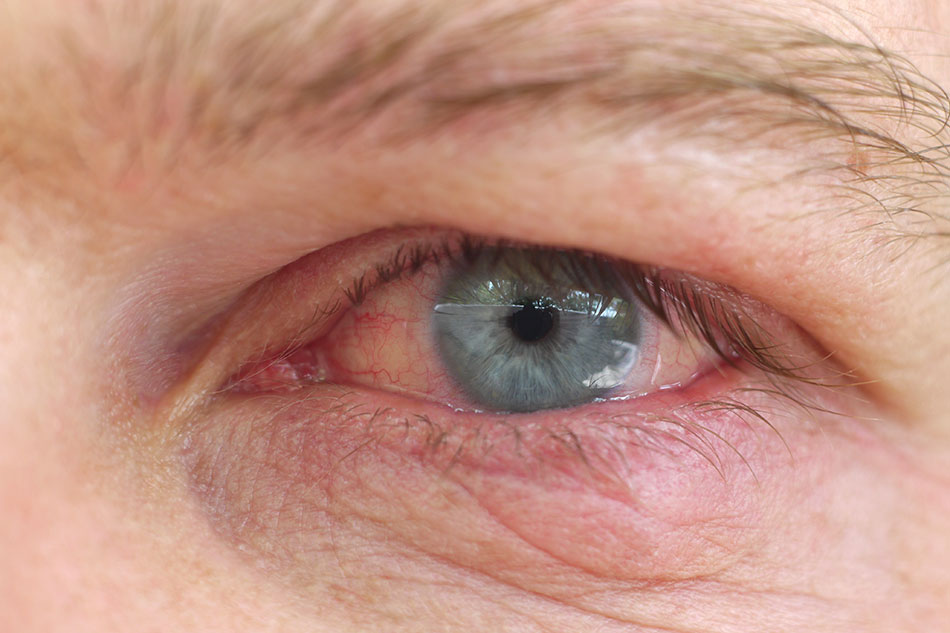
As we age, our eyes naturally produce fewer tears and less protective oil, making it easier for contacts to dry out. Hormonal changes can also impact moisture levels in the eyes
How to help:
- Use artificial tears or rewetting drops made for contact lens wearers.
- Stay hydrated and maintain a healthy diet rich in omega-3 fatty acids.
- Stick to your lens replacement schedule.
If you continue to experience dryness, ask your eye doctor about lenses designed for mature eyes or dry-eye relief.
5. Overuse of Tech
Blinking is an important part of maintaining eye health. This involuntary action helps clean the surface of the eye. Blinking also protects and lubricates it.
About 80% of Americans use technology for more than two hours per day. That's at least 730 hours of screen time every year! Use of digital screens reduces our blink-per-minute (BPM) rate. Less blinking means our eyes aren’t cleaned as often and stay dry for longer periods.
There are a few things you can do to prevent screen time from affecting your contact lenses. Give your eyes a break every other day by switching between contacts and glasses. If you have to stare at screens for work or recreation, opt for blue light blocking glasses.
Another way to avoid screen eye strain is to reduce or limit your exposure. Try cutting back on how long you use technology for. Also, take breaks to vary your focus distances and relieve your eyes.
6. Mother Nature

Environmental factors like wind, smoke, air conditioning, or low humidity can dry out your contacts. These factors pull moisture from both your lenses and your eyes.
How to help:
- Use a humidifier at home or in the office to add moisture to the air.
- Avoid sitting directly under air vents or fans.
- Wear sunglasses outdoors to shield your eyes from wind and debris.
Creating a more humid environment can help keep your lenses and eyes comfortable all day.
7. Improper Care of Your Contacts
Improper lens care is one of the most common causes of dry contact lenses. Sleeping in your contacts, skipping cleanings, or using expired solution allows bacteria and residue to build up, leading to dryness and discomfort.
How to help:
- Always wash and dry your hands before handling your lenses.
- Clean your contacts with fresh solution each night.
- Never use tap water or saliva to rinse them.
- Replace your case every few months.
Good hygiene and consistent maintenance not only keep your lenses moist but also protect your eyes from infections.
No More Dry Contact Lenses
There you have it! Seven of the most common causes of dry contact lenses and how to keep them from happening. Dry contacts are uncomfortable, itchy and all around bad for your eyes. Losing eye moisture can lead to more serious vision issues. For instance, extended blurred vision and infections. Making sure to follow your contacts’ care instructions will help avoid such issues.
If you still have questions, check out our blog article on myths about wearing contact lenses. We’ll clear a thing or two up for you!
FAQ: Dry Contact Lenses
Why do my contacts dry out during the day?
Contacts dry out when moisture evaporates faster than your tear film can replenish it. Common causes include dehydration, air conditioning, and extended screen time.
Can I use eye drops while wearing contact lenses?
Yes, but only use contact-safe rewetting drops. Regular eye drops may damage your lenses.
Do certain contact lens materials prevent dryness?
Yes. Silicone hydrogel lenses are designed to allow more oxygen flow and retain moisture better than traditional lenses.
Should I wear contacts if I’m sick or have allergies?
It’s best to give your eyes a break and wear glasses until symptoms improve. Medications and inflammation can worsen dryness.
When should I see an eye doctor for dry eyes?
If dryness persists or is accompanied by redness, pain, or blurred vision, consult your optometrist to rule out an infection or other underlying condition.

