


Why Are My Contacts Blurry? Common Causes and Fixes

Blurry vision through contact lenses can feel random and frustrating, especially for new wearers. In many cases, the cause is easier to identify than it seems.
Blurry contacts usually come down to a few common issues: dryness, deposits, lens fit, wear schedule, or a prescription change. Contact lenses are medical devices, so recurring blur should not be ignored, especially when it happens more often or lasts longer than usual.
Patterns matter. If the blur starts late in the day, after hours of screen time, or only in one eye, that detail can help narrow the cause.
Here is a closer look at why contacts get blurry and what can help restore clear vision.
Why Are My Contacts Blurry?
There is no single reason contacts start looking cloudy or out of focus. Most cases trace back to issues tied to moisture, lens condition, fit, or vision changes.
Lens dehydration can make sight shifts with each blink. Protein, lipids, and environmental debris can also collect on the lens surface and leave it hazy. In other cases, a lens that sits off-center, flips inside out, or no longer matches the current prescription can result in fuzzy vision.
The Centers for Disease Control and Prevention (CDC) suggests that blurred vision can also be a symptom of a contact lens-related eye infection, especially when it appears with redness, pain, tearing, or discharge. (CDC; 2025)
Understanding the most common causes makes it easier to figure out what to try next. From there, the focus shifts to the specific problems most likely to affect lens clarity.
Common Reasons for Blurry Contacts
Several everyday issues can interfere with clear vision through contacts. Some are easy to address at home, while others may require professional care.
Dry Eyes
Dryness is one of the most common reasons for blurriness with contacts. Contact lenses need a stable layer of moisture to stay comfortable and provide clear vision. When the tear film breaks up, vision can start to look soft, fuzzy, or foggy.
Screen-heavy days often make this worse because blink rates tend to drop during concentrated device use. That can leave lenses drying out faster and vision fluctuating more often.
Blurriness that improves after blinking often points back to dryness. If that does not solve it, the lens surface may need a closer look.
Protein, Oil, and Debris Buildup
Buildup on the lens surface can block clear vision even when the prescription is correct. This is especially common with reusable lenses that have been handled often or worn near the end of their replacement cycle.
Reusable lenses can collect protein, oils, and tiny particles over time. The buildup may show up as a haze, a filmy surface, or small white specks. Makeup, lotion, and dust can also cling to the lens material and interfere with clear vision.
Regular cleaning helps remove deposits and debris, while disinfection helps reduce harmful germs on contact lenses. This helps explain why a lens can look intact but still feel cloudy or rough.
If the buildup does not seem to be the problem, check the lens orientation.
The Lens Is Inside Out
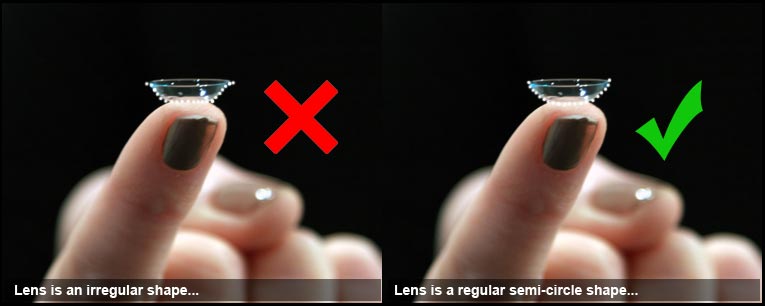
A lens that is flipped the wrong way can cause blur almost immediately. Even when the prescription is correct, the lens may not sit properly on the eye if the shape is reversed.
A contact lens that is inside out may move more, feel less stable, or feel like it is poking the eye. For anyone wondering how to know if a contact is inside out, the side profile usually gives the answer.
A correctly shaped soft lens looks like a bowl, with the edges pointing straight up. A reversed lens looks flatter, with the edges flaring outward more like a saucer.
That small shape difference can affect both comfort and clarity. If the lens is not reversed, blur may be tied more to movement and fit.
Poor Fit or a Lens That Shifts
Even a clean lens can blur vision if it does not stay centered. Contact lenses are designed to sit a certain way on the eye, and too much movement can interrupt stable vision.
A lens that slides around too much may not stay centered long enough to provide consistent vision. If blur comes and goes throughout the day, changes after blinking, or shows up when the eyes move side to side, lens positioning may be part of the issue. If it happens often with one lens brand but not another, fit may be the problem.
This kind of inconsistency is different from the steady blur that often comes with a prescription issue.
An Outdated or Incorrect Prescription
Sometimes the lenses are clean, positioned correctly, and still do not give sharp vision. That usually points away from the lens surface and toward the prescription or the eye itself.
Vision changes over time. A prescription that once felt sharp may no longer provide stable, clear sight, especially if the blur is steady rather than occasional.
Taken together, these causes show that blurry contacts usually trace back to moisture, lens condition, fit, or vision changes. Once the likely cause is clearer, the next step is knowing how to respond.
How to Fix Blurry Contacts

Fixing blurry contacts starts with simple troubleshooting. In many cases, a few quick checks can resolve the issue before it turns into lasting discomfort.
1. Blink a Few Times First
A brief loss of clarity is sometimes tied to tear film instability rather than the lens itself. That makes blinking the fastest first test.
If the issue is mild dryness, eye exercises like blinking several times may help redistribute the tear film and clear the lens surface. If that only works for a moment, the lens may need more attention.
If the blur stays, the next step is to remove the lenses and inspect them.
2. Remove the Lenses and Inspect Them
A visual check can catch problems that are easy to miss while the lens is still in the eye. Debris, a tear, or a flipped lens can all affect clarity.
Remove the contacts and check for tears, debris, visible film, or a lens that is inside out. If a lens looks damaged, replace it with a fresh one.
If the lenses still seem usable, proper cleaning is the next step.
3. Clean and Disinfect Reusable Lenses the Right Way
A lens may look fine at first glance and still carry residue that affects vision. That is why cleaning technique matters, especially for reusable lenses.
When wearing contacts during the day, be sure to rinse and thoroughly dry the contact lens case to prevent residues from rewattaching to the lenses.
If the contacts still look cloudy after proper cleaning, replacement is likely the better option. If the surface looks clear but vision still shifts, dryness may still be contributing.
4. Carry Contact Lens Rewetting Drops
Dryness can return even after a lens is cleaned and reinserted. That is why rewetting drops can help when blur comes and goes during the day.
Contact-specific rewetting drops may help stabilize vision during long workdays, travel, extended screen use, or time outdoors. Just a few drops can help restore moisture and improve comfort.
If dryness keeps returning, lens age or wear schedule may also be part of the issue.
5. Replace Lenses on Schedule
Even well-cleaned lenses have a limited lifespan. As they age, they tend to collect more deposits and lose some of the comfort and clarity they had when new.
A lens worn close to or past its replacement window is more likely to collect buildup and feel less comfortable. That can lead to cloudy contacts and hazy vision even when the lens does not look damaged.
If a fresh lens does not improve clarity, home troubleshooting has likely gone far enough.
6. Switch to Glasses and Monitor Symptoms
There is a point where continued lens wear does more harm than good. Persistent blur should not be pushed through in hopes that it clears on its own.
If blur continues after cleaning or replacing the lens, take the contacts out and wear glasses instead. This gives the eyes a break while making it easier to monitor symptoms.
That brings up another important question: how long should blurry contacts last before they become a concern?
How Long Are Contacts Supposed to Be Blurry?
A small amount of blur right after inserting contacts can happen as the lens settles into place. Persistent or recurring blurriness is different and usually points to an issue that needs attention.
In most cases, contacts should clear quickly. If vision stays blurry beyond a short settling-in period, the cause may be dryness, buildup, lens orientation, fit, or an outdated prescription.
How long the blur lasts can help narrow down the problem. From there, the next clue often comes from the lens itself, including whether buildup or surface changes are affecting comfort and clarity.
What Protein Buildup on Contacts Can Look Like
Protein buildup is one of the easiest contact lens problems to overlook. It does not always look dramatic at first, but it can affect both vision and comfort.
Lenses may look filmy, hazy, or dull instead of clear. In some cases, the buildup appears as small white dots or a translucent coating across the lens surface. The lens may also feel rougher, stiffer, or more noticeable against the eyelid.
These signs often point back to care habits, wear schedule, or lens age. Preventing buildup is usually easier than dealing with it once it becomes noticeable.
How to Reduce Cloudiness and Buildup
Reducing buildup comes down to consistent lens cleaning habits. Small handling mistakes can add up quickly, especially with reusable lenses.
A few habits can reduce the odds of cloudy contacts and recurring blur:
- Wash and dry hands before touching lenses.
- Keep makeup, lotion and dust away from lenses during handling.
- Rub and rinse reusable lenses as directed.
- Store lenses in a fresh solution every time.
- Never top off old solutions.
- Keep water away from lenses and lens cases.
- Replace the case regularly.
- Replace lenses on schedule.
These steps help cut down on deposits, lens discomfort, and avoidable lens problems. Even with good habits, some symptoms should still be treated as warning signs.
When Blurry Vision Is a Sign to Call an Eye Doctor
Most blurry contact lens problems are manageable, but some symptoms point to something more serious. Knowing when to stop self-fixing can help protect eye health.
Contact an eye doctor if blurry vision lasts, gets worse, or appears with red eyes, worsening pain, light sensitivity, watery eyes, or discharge. These symptoms may point to irritation, infection, or another issue that should not be handled at home alone.
Knowing when to get professional care is just as important as knowing the usual causes. That balance helps keep contact lens wear safer and more comfortable over time.
Managing Blurry Contacts and Maintaining Clear Sight
Blurry contacts are common, but the cause is not always the same. Dryness, buildup, lens position, fit, and prescription changes are some of the most common reasons. More serious irritation or infection is less common, but it should be addressed quickly.
Good lens habits, a consistent replacement schedule, and attention to symptoms can go a long way toward keeping vision clear and wear more comfortable. For fresh contact lenses and UV eye protection, browse PerfectLensWorld's selection of daily, biweekly, and monthly lenses and sunglasses.
FAQ: Answers for Why Are My Contacts Blurry
Is It Normal for Contacts to Feel Blurry?
A brief adjustment period right after insertion can happen. Constant or worsening blur is not normal. It usually points to dryness, deposits, poor fit, an outdated prescription, or, in some cases, irritation or infection.
How Do You Fix Blurry Contacts?
Start by blinking a few times to see whether the tear film needs to settle. If the blur stays, remove the lenses and inspect them for debris, buildup, tears, or a lens that is inside out. Clean reusable lenses with fresh solution or replace them if needed. If vision is still blurry, switch to glasses and schedule an eye exam.
How to Remove Cloudiness From Contacts?
For reusable lenses, clean and disinfect them exactly as directed with fresh solution. Do not use water, and do not top off the old solution. If cloudiness remains after proper cleaning, replace the lenses.
What Does Protein Buildup on Contacts Look Like?
Protein buildup often appears as a filmy, hazy, or dull layer. In some cases, it looks like small white dots or a translucent coating across the lens. It can also make the lens feel rough or slightly stiff.

