


How Long Do Contacts Last? 6 Signs You Need New Contacts
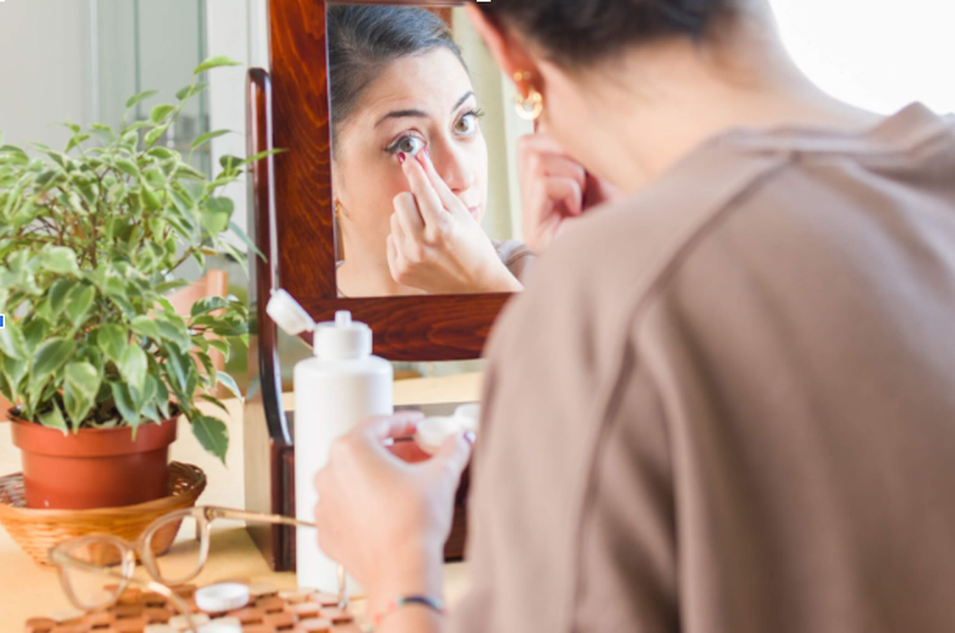
Many people assume contact lenses remain safe as long as vision stays clear. However, sticking to a strict replacement schedule is important for maintaining good eye health. Lifespan depends on the lens type, wear schedule, and storage habits, rather than just how often a person wears them. The material begins to degrade the moment the seal is broken, so following the manufacturer's guidelines (not just a recommendation) prevents irritation and keeps eyes feeling fresh.
Understanding the lifespan of contacts is the first step toward avoiding problems tied to overwear or expired lenses. Knowing the limit for each pair helps maintain comfort throughout the day.
This guide explains how long contact lenses typically last, how expiration dates work, and the potential consequences of wearing lenses beyond the recommended timeline.
How Long Do Contacts Last? (Quick Answer)
How long contacts last depends on the type:
- Daily contacts: 1 day (discard after each wear)
- Biweekly contacts: 14 calendar days after opening
- Monthly contacts: 30 calendar days after opening
- Unopened lenses: Safe until the printed expiration date
Even if worn only a few times, the countdown begins once the seal is broken.
Can You Wear Expired Contacts?
Short answer: No. Wearing expired contacts increases the risk of infection, corneal irritation, and reduced oxygen flow to the eye.
Over time, packaging seals weaken and the sterile solution can lose effectiveness. The lens material itself may also degrade, increasing the chance of bacterial contamination and discomfort. Eye care professionals strongly recommend following manufacturer replacement schedules to reduce the risk of corneal infections and long-term irritation.
The Difference Between Shelf Life and Wear Life
Yes, contact lenses do expire. Unopened lenses have a manufacturer expiration date that ensures sterility and material stability. Once that date passes, lenses should not be worn. A common question among wearers is: Do contact lenses expire if they are kept in their original packaging? Every box features a date stamped by the manufacturer indicating how long the materials and saline solution remain stable and sterile.
According to the U.S. Food and Drug Administration (FDA), expired contact lenses should not be used under any circumstances because packaging seals can weaken and the solution can lose sterility over time.
Once the blister pack is open, the clock starts on the wear life. Even if a person only wears a lens for a few hours, the countdown does not pause. A lens designed for two weeks must be tossed 14 days after opening, regardless of how many times it sat on the eye.
Why You Cannot Wear Expired Contacts

A frequent concern for those looking to save money is: can you wear expired contacts if they still feel fine? After all, most wearers have attempted to push use with “one more wear.” However, the answer is a firm no.
Over time, a film called eye protein buildup forms on the lens surface. This consists of natural lipids and proteins from tears, and eventually makes the contacts feel blurry or scratchy, even with cleaning solutions.
As deposits increase, lenses become less breathable. This buildup is a primary reason lenses have strict replacement schedules. Replacing lenses on time limits exposure to these deposits and supports consistent comfort. Cleaning routines help, but they do not reset a lens past its intended lifespan.
How Long Do Contacts Last Based on Lens Type
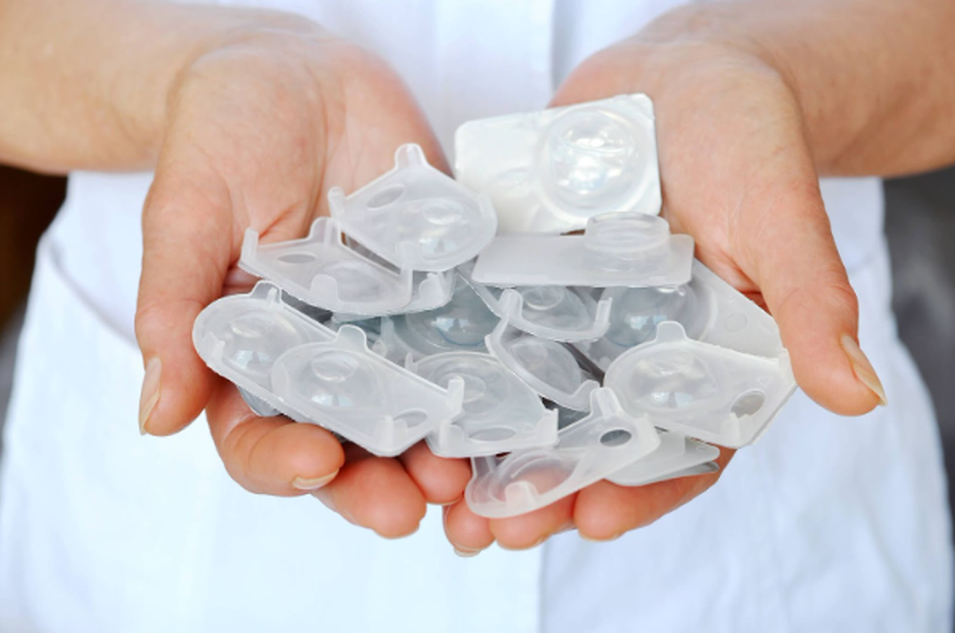
The specific type of lens determines the replacement frequency. Each category is manufactured with different materials and thickness levels that affect durability. Oxygen permeability, moisture retention, and resistance to deposits all influence how long a lens performs as intended. Replacement schedules reflect how those materials behave over time, not simply how often lenses are worn.
Monthly Contacts: Designed for 30 calendar days of use, not 30 wears. The countdown begins the day the blister pack is opened. These lenses are typically made from durable materials like silicone hydrogel, offering higher oxygen permeability. However, protein deposits and lipid buildup accumulate over time, which is why timely replacement is essential.
Bi-Weekly Contacts: Designed to last 14 calendar days after opening. These lenses are often thinner and may accumulate deposits faster than monthly lenses. Because of their material structure, sticking to the two-week replacement schedule is critical to maintain clarity and comfort.
Wearing improperly stored or expired lenses raises the risk of eye infections. Ignoring these timelines increases the chance of discomfort as lenses lose structural integrity and collect deposits.
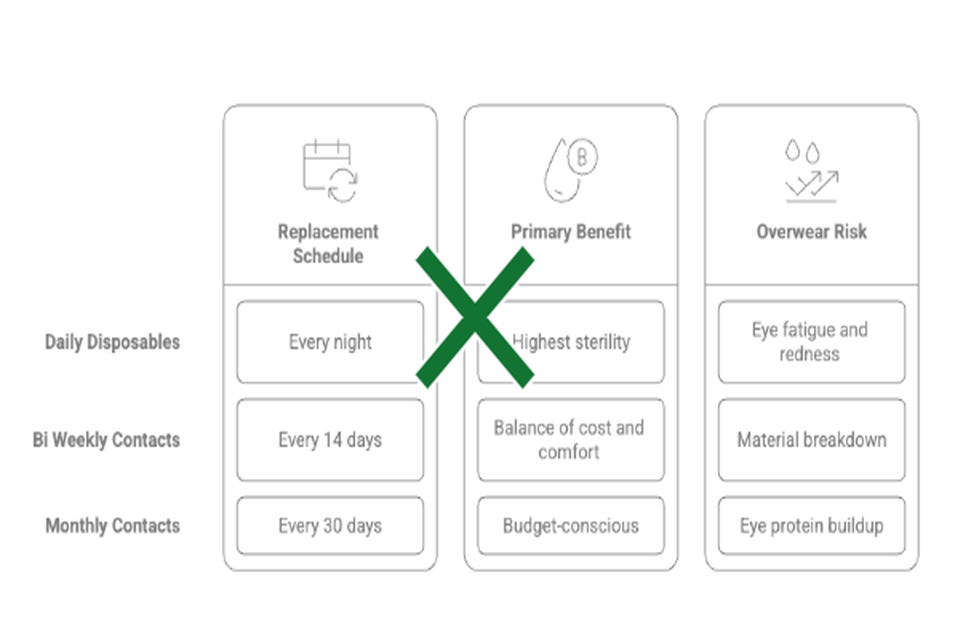
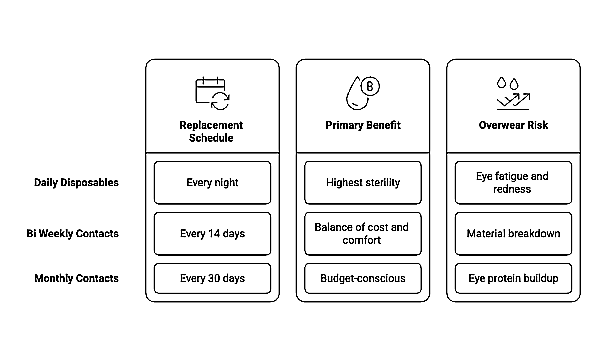
Comparison of Contact Lens Replacement Schedules

Even when following a strict calendar, the eyes may signal that a lens has reached its limit ahead of schedule. Recognizing these warning signs can help prevent long-term irritation.
If any of the following symptoms occur, remove the lenses and start with a fresh pair to maintain visual clarity.
1. Persistent Blurry or Cloudy Vision
If vision remains hazy even after blinking, the lenses may have accumulated significant deposits. Eye protein buildup creates a film that traditional cleaning solutions cannot always remove once it becomes heavy. This cloudiness often indicates the material is no longer allowing enough oxygen to reach the eye, which can lead to swelling or infection.
2. Physical Discomfort or a Gritty Sensation
Lenses should be virtually unnoticeable during wear. Feeling a "foreign body" sensation or dry eyes, similar to having a grain of sand in the eye, often points to microscopic tears or jagged edges on the lens. These tiny defects can scratch the cornea, so discarding the damaged pair is the only safe solution.
3. Redness and Irritation
Redness is a clear distress signal from the ocular surface. It often occurs when a lens becomes too dry or when trapped debris causes friction against the eyelid. If the eyes stay red after removing the lenses and resting, the material may have reached a state of degradation that is no longer compatible with the eye.
4. Visible Damage, Dents, or Scratches
Inspect lenses regularly before insertion. Even a tiny nick on the edge of a lens can trap bacteria and cause discomfort. Misshapen or bent lenses do not sit correctly on the eye, which disrupts the tear film and leads to inconsistent vision.
5. Increased Sensitivity to Light
When lenses are worn past their prime, the eyes can become overworked and sensitive. If normal indoor lighting or computer screens suddenly feel uncomfortably bright, it may be a sign of corneal strain. Fresh lenses help ensure the eye remains relaxed and properly hydrated.
6. The "Heavy Eye" Feeling or Fatigue
Lenses that have lost their moisture-retaining properties often feel heavy by mid-afternoon. This fatigue happens because the material is no longer "breathing" as intended. Switching to a new pair restores the oxygen flow and eliminates the sluggish feeling often associated with old lenses.
Paying attention to these signs helps the eyes stay healthy and functional. If symptoms persist even after changing to new lenses, a consultation with an eye care professional is necessary to check the current prescription.
How Long Do Contacts Last and Why Replacement Timing Matters
Understanding how long contacts last helps prevent discomfort and reduces unnecessary risks. Replacement schedules and expiration dates exist to protect eye health. Following these timelines supports a clearer vision and fewer complications.
Maintaining a healthy routine starts with having the right supplies ready. Explore our collection of contact lenses and eye care accessories to make sure a new pair is always on hand.
Common Questions About Contact Lens Longevity
How Long Does a Pair of Contact Lenses Last?
A pair of contact lenses lasts based on its category:
- Daily lenses: 1 day
- Bi weekly lenses: 14 calendar days
- Monthly lenses: 30 calendar days
The replacement timeline begins once the package is opened, not based on the number of wears.
Do Monthly Contacts Last 30 Days or 30 Wears?
Monthly contacts last 30 calendar days. The material begins to age the moment it is exposed to the environment, so the count does not pause on days the lenses stay in the case.
Are 1 Year Contact Lenses Safe?
Most modern soft lenses are not designed for yearly use. While some specialty lenses exist for longer wear, they require professional oversight and routine evaluation to stay safe.
How to Tell if Contacts Are Expired?
Check the printed expiration date on the packaging. Additionally, lenses that feel dry, warped, or uncomfortable may have reached the end of their functional life.

