


What Causes Dry Eyes With Contacts and How to Prevent Them Naturally

Staring at a screen for hours or wearing contact lenses for a full workday often leads to a gritty, uncomfortable sensation. This irritation is more than a minor nuisance. It often signals that the eyes are not producing enough high-quality tears to stay lubricated. Understanding the root of this discomfort helps in finding long-term relief.
Many factors contribute to eye irritation, ranging from environmental triggers to daily habits. Identifying these triggers is the first step toward a clearer, more comfortable vision.
What Causes Dry Eyes?
Dry, irritated eyes often feel like a minor annoyance at first. Over time, that scratchy, burning sensation can become a daily distraction. The cause usually traces back to one place: the tear film (American Academy of Ophthalmology), the thin layer of moisture that coats the surface of the eye with every blink. When that layer loses balance, discomfort follows.
The tear film contains three parts that work together. The oil layer slows evaporation. The water layer provides hydration. The mucus layer helps moisture spread evenly across the eye. If the body does not produce enough tears, dryness develops. If the oil layer weakens, tears evaporate too quickly. Many people often experience a mix of both.
Dry eyes are generally grouped into two types: reduced tear production and excessive tear evaporation. The National Eye Institute suggests that dry eye happens when tears cannot provide adequate lubrication, either because tear production is low or because tears evaporate too rapidly. Both scenarios leave the surface of the eye exposed and prone to irritation.
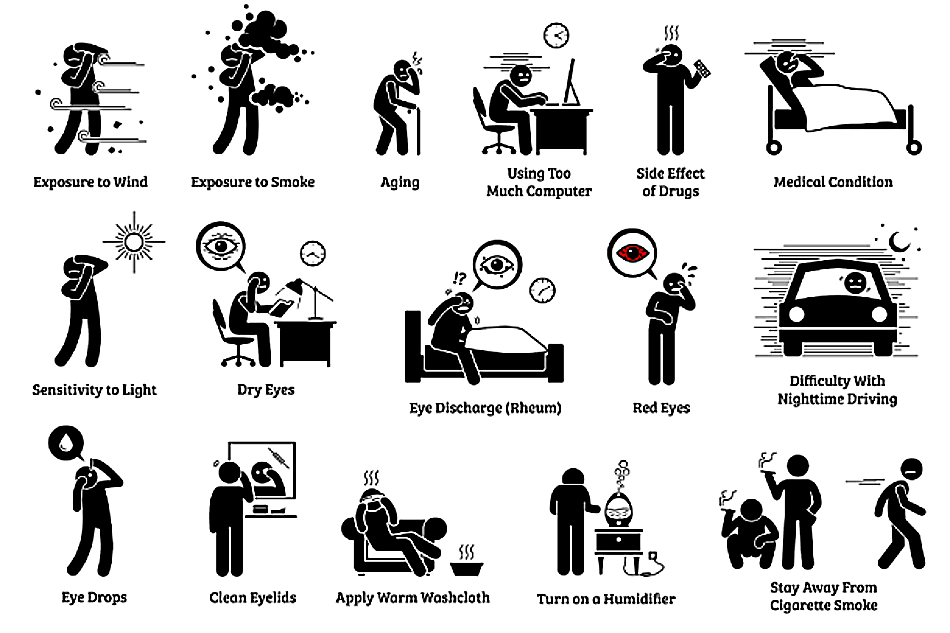
Our daily routines often can make symptoms worse: spending long hours on phones, tablets, and computers reduces blinking. Fewer blinks mean moisture is not spread evenly across the eye. Indoor heating and air conditioning pull humidity from the air, which speeds up evaporation. Outdoor wind and smoke add another layer of stress.
Tear production tends to decline over time, which is why age and overall health also influence tear stability. Hormonal changes can affect the oil glands along the eyelids. Some medications, including antihistamines and certain blood pressure treatments, may decrease tear volume. Conditions such as autoimmune disorders can further interfere with healthy tear function.
When the tear film remains unstable, the eye’s surface can become inflamed. Redness, burning, light sensitivity, and fluctuating vision may follow. Identifying the underlying cause makes it easier to select relief options that match the problem rather than masking symptoms.
Next, let’s look at practical ways to restore moisture and reduce daily triggers.
Common Causes of Dry Eyes
Dry eyes can develop for several reasons, and the triggers often overlap. Some cases stem from daily habits. Others relate to health changes or environmental exposure. Breaking down the most common sources helps clarify why symptoms appear and what adjustments may help reduce irritation.
Dry Eye Syndrome
Dry Eyes From Contacts
Contact lenses sit directly on the surface of the eye, which can interfere with the natural tear film. The lens may absorb moisture to maintain its shape, leaving the eye feeling dry by the end of the day. Reduced oxygen flow can add to that discomfort, especially during extended wear.
Material choice and replacement frequency matter. Daily disposable lenses and options designed for higher oxygen transmission may help reduce dryness. Sticking to a consistent lens cleaning schedule, or replacing them altogether, also limits protein buildup, which can further irritate the eye’s surface.
Screen-Related Dryness
Extended time on digital devices lowers blink rates. Incomplete blinking becomes more common during concentrated screen use, which prevents tears from spreading evenly. Over time, this leads to faster evaporation and surface irritation.
Short, scheduled breaks and conscious blinking can help restore moisture distribution. Adjusting the screen height to a slightly lower eye level may also reduce exposure and strain.
Environmental Exposure
Wind, smoke, and dry indoor air can quickly destabilize the tear film. Heating and air conditioning systems reduce humidity, which increases tear evaporation throughout the day. Outdoor exposure without protective eyewear may intensify symptoms.
Moisture-friendly indoor settings and protective sunglasses outdoors can limit environmental stress. Even small humidity adjustments can make a noticeable difference.
Aging and Hormonal Changes
Tear production naturally declines with age. Oil glands along the eyelids may become less active, allowing tears to evaporate more quickly. Hormonal shifts, including those that occur during pregnancy or menopause, can further affect tear stability.
Regular eye exams become more important as tear production changes. Early identification of declining tear quality allows for earlier symptom management.
Medication Side Effects
Several common medications list dry eye as a side effect. Antihistamines, antidepressants, and certain blood pressure treatments may reduce tear production. Over time, lower tear volume can lead to persistent discomfort.
Reviewing medication lists with a healthcare provider may clarify whether dryness is drug-related. Alternative options or supportive eye care products may help balance symptoms.
Dry eyes rarely develop from a single cause. Contact use, screen habits, environment, and health factors often combine to create ongoing irritation. Identifying these patterns creates a clearer path toward relief and better daily comfort.
Recognizing Common Dry Eye Symptoms
Dry eye symptoms are not always straightforward. A lack of moisture does not always feel like dryness alone. In many cases, the eyes respond to irritation by producing a rush of reflex tears. These tears tend to be watery and low in quality, so they fail to coat the surface properly. Excess tearing, rather than relief, can signal that the tear film is unstable.
Discomfort often appears as stinging, burning, or a gritty sensation that feels like oil or sand in the eye. Redness may develop as the surface becomes inflamed. Sensitivity to light can increase, particularly in bright outdoor settings or during screen use.
Some individuals notice stringy mucus collecting near the eyelids. Blurred or fluctuating vision may occur as the tear film breaks apart between blinks. Symptoms often worsen later in the day, especially after long periods of reading, driving, or device use.
Paying attention to patterns, such as watering eyes paired with irritation or redness that persists beyond temporary exposure, helps distinguish occasional dryness from a more consistent condition. Monitoring these sensation flags discusses specific concerns with a professional.
How Does Dry Eye Affect Vision?
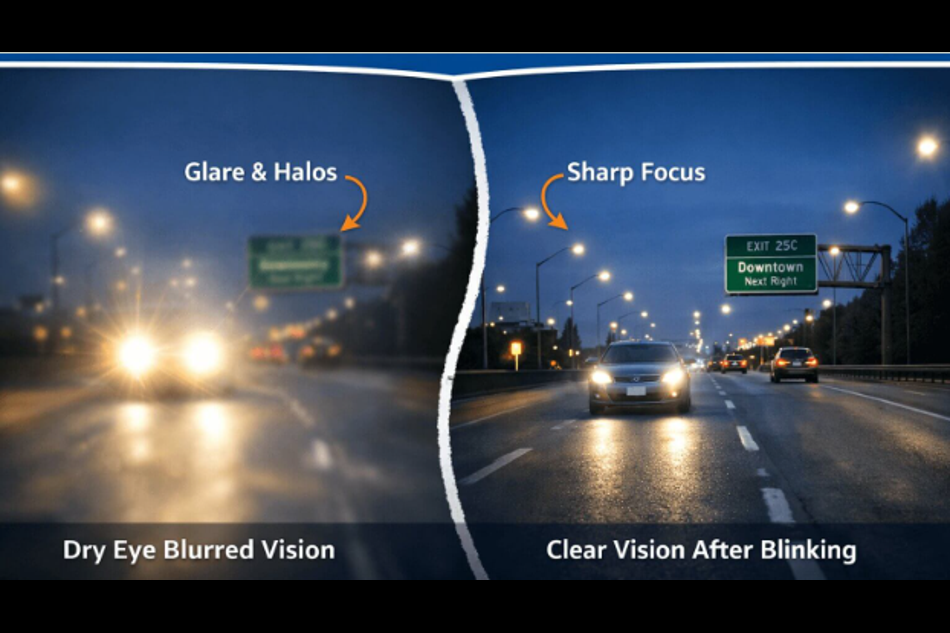
Dry eyes do more than cause irritation. It can directly interfere with visual clarity. The tear film acts as the eye’s first focusing surface. When that layer becomes uneven or breaks apart too quickly, light scatters instead of landing cleanly on the retina. This creates an inconsistent visual experience that often fluctuates throughout the day.
One of the most noticeable signs is blurry vision that improves after blinking. A fresh blink briefly smooths the tear film, sharpening focus for a few seconds before instability returns. This repeated fluctuation can make reading small text, working on a computer, or driving at night more difficult. Constant blinking to clear the view is a common physical response to this lack of structural moisture.
Glare and halos around lights are also frequent complaints, particularly in low-light settings. Headlights and streetlights may appear streaked or distorted because the rough surface of the eye cannot refract light properly. Over time, this inconsistency contributes to eye fatigue and reduced visual comfort during tasks that require sustained focus, such as long-distance driving or detailed office work.
Persistent tear film instability may also increase surface inflammation, which can further affect visual sharpness. Addressing these changes early reduces the risk of ongoing discomfort and helps preserve consistent, reliable vision. Monitoring shifts in clarity, especially those that improve with blinking, provides an early signal that the tear film needs attention.
Effective Dry Eye Treatment Options
Managing parched eyes involves addressing both the symptoms and the underlying causes of tear evaporation. Many people find success by combining immediate relief products with long-term lifestyle changes. By targeting the health of the tear film from multiple angles, it becomes possible to maintain comfortable vision even in challenging environments.
Lubricating Eye Drops and Re-wetting Drops
For immediate relief, over-the-counter lubricating and rewetting drops, often referred to as artificial tears, serve as a primary dry eye treatment. These drops mimic natural tears to supplement moisture and soothe irritation. People who wear contact lenses should specifically look for rewetting drops labeled as contact-safe.
These formulations are designed to permeate the lens material and hydrate the eye without causing the buildup or cloudiness associated with standard drops.
Supportive Natural Remedies
Beyond topical drops, natural habits can significantly impact tear quality. Warm compresses are highly effective for opening the meibomian glands, which produce the essential oils that prevent tears from evaporating too quickly. Gently massaging the eyelids after applying heat helps clear blockages and restores the natural balance of the tear film.
Additionally, using a humidifier in the bedroom or office adds moisture to the air, slowing down the rate at which tears disappear from the surface of the eye.
Professional and Advanced Therapiess
When standard remedies are not enough, medical professionals may suggest procedures to retain natural moisture. Punctal plugs are tiny devices inserted into the tear ducts to block drainage, keeping the eyes' natural tears on the surface for a longer duration. For those dealing with chronic inflammation, specialized prescription drops may be necessary to help the body increase its own tear production over time.
Consistent care is the most reliable way to prevent the return of gritty or burning sensations. Combining these treatments keeps eyes resilient against the drying effects of wind, digital screens, and lens wear.
Managing Eye Dryness With Contacts
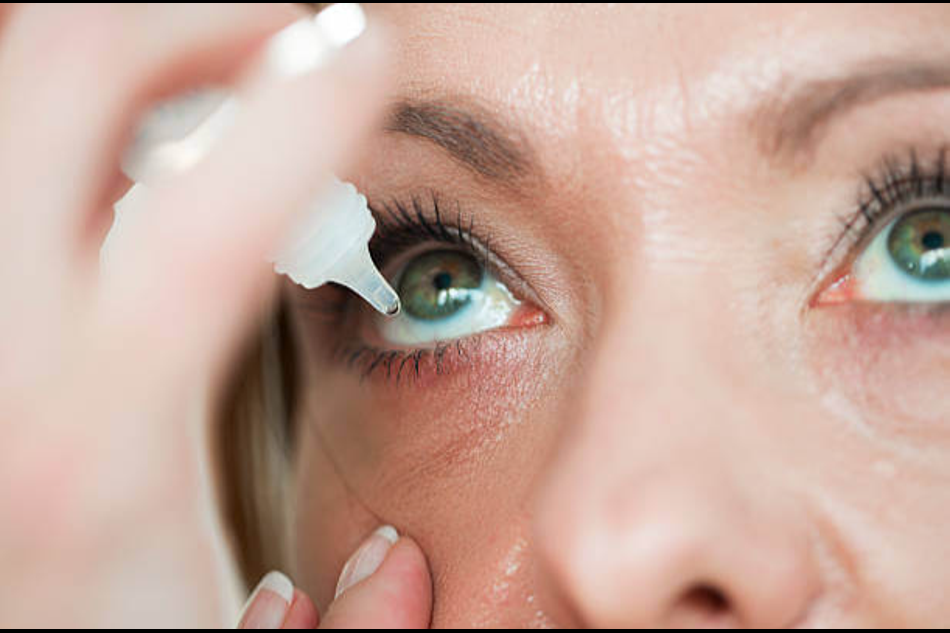
People who experience eye dryness with contacts should consult an eye care provider about specialized rewetting drops. Standard eye drops often contain preservatives that damage contact lenses or cause further irritation by trapping chemicals against the cornea. Using drops specifically formulated for lens wearers keeps the material hydrated throughout the day without compromising the integrity of the lens.
Choose the Right Lens Material
Modern technology has led to the development of lenses designed specifically to combat dry eyes from contacts. Silicone hydrogel lenses are a popular choice because they allow significantly more oxygen to reach the cornea than traditional soft lenses. This increased breathability helps maintain a healthy eye surface and reduces the "suffocating" feeling that leads to redness and irritation.
Daily disposable lenses are also highly recommended, as starting with a fresh, sterile pair each morning prevents the buildup of protein deposits and allergens that naturally accumulate on monthly lenses.
Optimizing Lens Hygiene
Proper hygiene and lens maintenance are equally important for comfort. Always wash and dry hands thoroughly before handling lenses to prevent debris or oils from transferring to the eye surface. Following the recommended replacement schedule is non-negotiable, as overusing lenses leads to protein buildup that restricts oxygen flow.
When protein deposits accumulate, the lens becomes less breathable," which significantly increases the feeling of dryness. Additionally, always use a fresh, high-quality multipurpose solution and replace the lens case every three months to avoid bacterial contamination.
Give Your Eyes a Break
Taking regular breaks from lens wear allows the eyes to recover and reset their natural moisture levels. Incorporating periods without lenses into a weekly routine gives the cornea a chance to breathe and rehydrate naturally. Many wearers find relief by removing their lenses a few hours before sleep and opting for a "lens-free" day once a week.
Implementing these small changes in a daily routine can lead to a noticeable difference in long-term comfort. Proactive care makes sure that contact lenses remain a convenient and comfortable tool for vision correction rather than a source of daily frustration.
How to Treat Dry Eyes Naturally
Prevention starts with simple lifestyle adjustments that reduce the daily strain on the tear film. Increasing humidity in the home or office adds necessary moisture back into the environment, which is especially helpful during winter months or in air-conditioned spaces.
Additionally, following the 20-20-20 rule—looking at something 20 feet away for 20 seconds every 20 minutes—helps maintain a healthy blink rate during digital tasks. Consistent blinking is the body’s natural way of redistributing moisture across the eye surface.
Dietary choices also play a role in long-term vision. A 2023 study published by the National Institutes of Health (PMC) confirms that high-dose Omega-3 fatty acid intake is effective in reducing symptoms and improving tear film break-up time. Incorporating natural sources like salmon, walnuts, and flaxseed helps provide the building blocks for a stable, oily layer of the tear film from the inside out.
Hydration is another powerful tool for maintaining eye comfort. Drinking plenty of water replenishes the body with resources to produce the aqueous (water) layer of the tear film. These natural methods create a foundation for long-lasting comfort and often reduce the frequency of irritation without relying solely on intensive medical intervention.
Comparison of Relief Methods
Finding the right balance of treatments depends on individual needs and lifestyle. The following table breaks down different approaches to managing dryness based on the speed of relief and the duration of the effects.
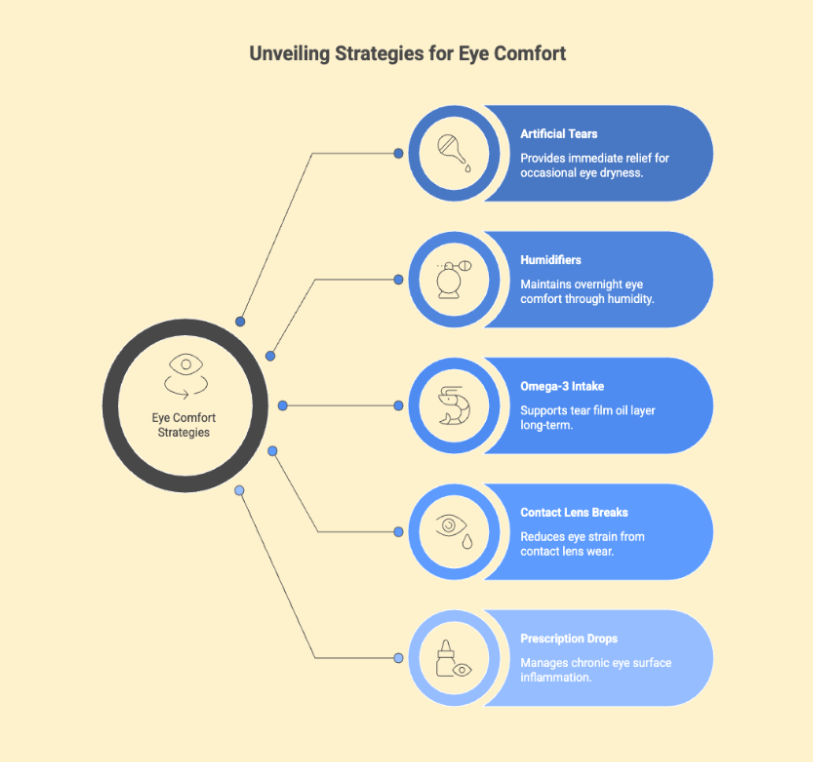
Using a combination of these methods provides a more comprehensive shield against environmental triggers. By pairing immediate relief like drops with long-term habits like proper hydration, it becomes easier to maintain clear and comfortable vision throughout the day.
Prioritizing Eye Comfort and Health
Maintaining comfortable vision requires a proactive approach to hydration and managing the environment. Whether through natural remedies or professional care, relief is possible for those struggling with irritation. By identifying triggers early and adjusting daily routines, the eyes can remain bright and healthy despite the challenges of digital life or long-term lens wear.
Implementing a consistent care routine reduces the likelihood of chronic discomfort and protects the delicate surface of the eye. Small changes, such as staying hydrated and choosing the correct eye drops, lead to significant improvements in daily visual clarity. Taking these steps keeps vision a reliable asset rather than a source of persistent stress.
Explore the wide selection of premium contacts and protective sunglasses at PerfectLensesWorld to find the best fit for a healthy lifestyle. Choosing the right products is a major step toward achieving lasting comfort and maintaining clear vision throughout the day.
Common Questions About Dry Eyes
What Is the Most Common Cause of Dry Eyes?
The most frequent cause is a lack of balance in the tear film layers. This is often triggered by environmental factors like air conditioning, aging, or a reduced blink rate during excessive screen use.
What Can Be Mistaken For Dry Eyes?
Allergies, certain skin conditions around the eyelids, and infections like blepharitis often mimic the symptoms of dryness. Because these issues require different treatments, observing whether the irritation persists even after using lubricating drops is helpful.
How to Rehydrate a Dry Eye?
Using preservative-free lubricating drops provides the quickest relief. Additionally, staying hydrated, closing the eyes for several minutes, or applying a warm compress helps redistribute natural moisture across the surface.
What Drink Is Good for Dry Eyes?
Water is the best choice for keeping the body hydrated. Limiting beverages with high caffeine or alcohol content prevents dehydration, which directly impacts the body's ability to produce enough tears.
What Vitamins Help Dry Eyes?
Vitamin A and Omega-3 fatty acids are the most effective nutrients for supporting a healthy tear film. These nutrients help strengthen the oil layer of the eye, preventing tears from evaporating too quickly throughout the day.

