


Contacts for Seniors: Clear Vision at Every Age

It is completely normal to experience changes in your eyesight as you age. Most people begin to notice vision changes after the age of 40, and by the time they reach their 50s or 60s, vision correction becomes almost universal.
While many older adults turn to glasses, contact lenses remain an excellent option for clear, comfortable vision. Thanks to modern materials and designs, today’s contacts are more breathable, affordable, and easy to use than ever before.
Common Eye Problems That Come With Age

As we grow older, the eyes go through several natural changes. Some of the most common age-related eye issues include:
- Presbyopia: Difficulty focusing on close objects.
- Dry eye syndrome: Reduced tear production and less moisture on the eye’s surface.
- Decreased contrast sensitivity: Trouble distinguishing fine details.
- Increased light sensitivity and glare.
These issues are common, but they do not mean you must give up contact lenses. In fact, modern contacts are designed to help older adults manage these challenges while maintaining comfort and clear vision.
Contacts for Different Vision Needs

See Clearly at Every Distance
Presbyopia makes reading or focusing up close more difficult, but new lens technologies can fix that. Many seniors now choose multifocal contact lenses, which allow you to see clearly at multiple distances including near, far, and in between.
Another option is monovision contact lenses, where one eye is fitted for distance and the other for reading. With a short adjustment period, your brain naturally learns how to balance between the two.
Comfortable Modern Lenses
Contact lenses have come a long way from the thick, rigid options of the past. Today’s lenses are made from soft, flexible silicone hydrogel materials that allow more oxygen to reach your eyes. This makes them much more comfortable for extended wear.
If you stopped using contacts years ago due to discomfort, it might be time to give newer lenses another try.
Affordable Options for Every Budget
Contacts are also more affordable than many people realize. Prices vary depending on your prescription and lens type, but there are high-quality options at a wide range of price points. Many insurance plans cover part of the cost, and at PerfectLensWorld, you’ll find trusted brands at discounted prices.
Wearing Contacts With Dry Eyes
Dry eyes are one of the most common issues for older adults, especially for women. This condition happens when the eyes no longer produce enough natural tears or retain moisture effectively.
The good news is that having dry eyes does not mean you cannot wear contacts. Here’s how to make it work:
- Choose daily disposable contact lenses to avoid debris buildup.
- Look for moisture-locking lenses designed specifically for dry eye relief.
- Use preservative-free rewetting drops to stay comfortable throughout the day.
- Avoid smoke, excessive screen time, and overly dry environments.
These small changes can make a big difference in comfort and allow you to continue enjoying the benefits of contacts.
Cleaning Contact Lenses Is Simple
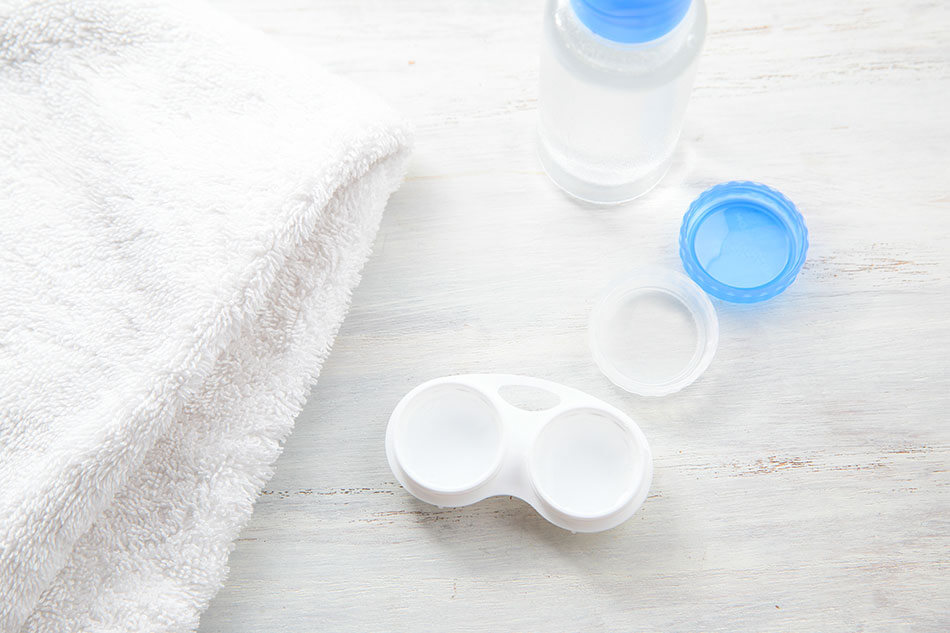
Older patients who remember the early days of contact lenses associate cleaning with hassle. You needed several solutions and overnight sterilization.
Now, however, reusable contacts need little more than a daily rinse with a simple contact solution. If you opt for daily disposable lenses, there's no maintenance or cleaning required whatsoever. You just put them in every day and throw them away each night.
Glasses, on the other hand, have to be regularly cleaned from raindrops, smudges and dirt, sometimes even several times a day.
Inserting Contacts Is Painless

Many older adults have always avoided contacts because they fear touching their own eyeballs. The feeling can be strange and unnatural at first. But with patience and practice, and the help of your eye doctor, anyone can get used to it before long.
There are contact lens professionals who can work with you one-on-one. You can practice your technique with them until you feel completely comfortable putting in your lenses.
Find Your Perfect Lenses
Though you’ll probably experience eye problems with age, this doesn’t mean you don’t have options when it comes to vision correction. You can still find the perfect lenses to suit your needs and to help you see better. Instead of being stuck with glasses, you can also choose contacts if you so wish.
With so many brands and types of contacts out there, you’re sure to find one that suits you perfectly. Talk to your eye doctor today about contacts to find ones that accommodate both your correction needs and eye problems.
FAQ: Contacts for Seniors and Aging Eyes
Can seniors wear contact lenses?
Yes. Many seniors wear contact lenses safely and comfortably. Today’s lenses are designed for all age groups and eye conditions.
What are the best contact lenses for dry eyes?
Daily disposable soft lenses or moisture-locking silicone hydrogel lenses are ideal for older adults with dry eyes.
Are contact lenses better than glasses for seniors?
It depends on your lifestyle and comfort preferences. Contacts offer a wider field of vision and eliminate glare, while glasses are easier to manage for some people.
Can I wear contacts if I have presbyopia?
Yes. Multifocal and monovision lenses can correct both near and distance vision, making them a great solution for presbyopia.
Do contact lenses require a lot of maintenance?
Not anymore. Daily disposable lenses require no cleaning, while reusable lenses just need a quick rinse with solution each night.

