


7 Vision Myths That Could Be Hurting Eye Health
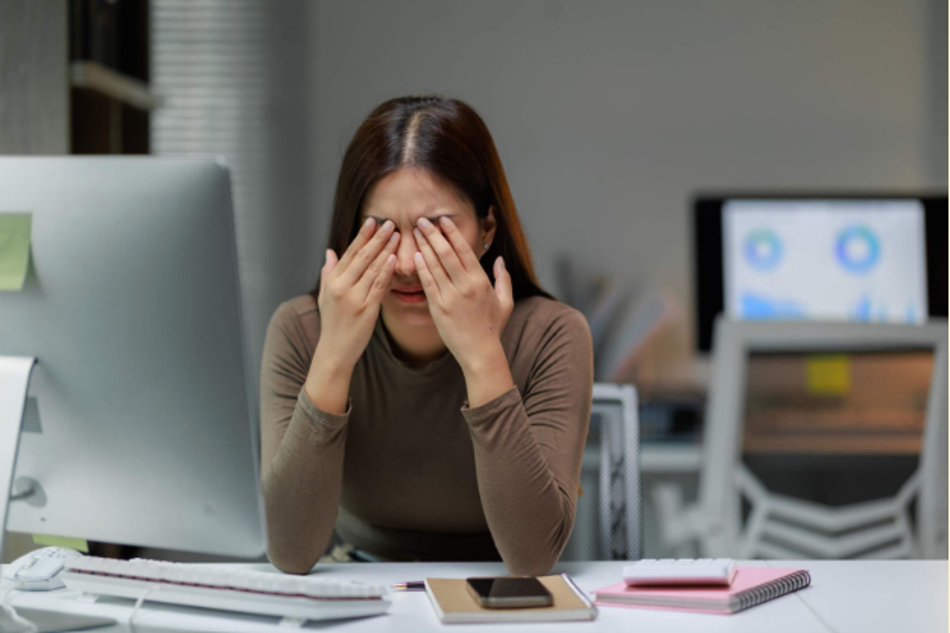
Maintaining strong eye health starts with understanding how the eyes actually work and separating evidence from assumptions. Many common warnings about vision sound credible but are not grounded in current research. Relying on outdated advice and urban legends can lead to unnecessary strain, hesitation around corrective lenses, or missed opportunities to protect long-term visual function.
Clear information leads to better daily choices. By breaking down common vision myths about eyesight, this guide explains what actually protects eye health and what does not.
1. Does Reading in the Dark Strain Your Eyes?
This question has circulated for generations as a warning about permanent harm. The assumption is that dim lighting damages the eyes over time, but while low light makes the eyes work harder, it does not cause a physical decline in eye health.
Reading in low light causes temporary fatigue because the pupils dilate and the eye muscles work harder to maintain focus and contrast. This extra effort leads to headaches, dryness, or mild blur after extended reading. These symptoms reflect short-term strain rather than structural injury or a permanent change to eye vision.
Low light does not reshape the eye, weaken vision, or cause lasting damage to the eyes and eyesight. Once lighting improves or the eyes rest, discomfort typically resolves. Brighter, well-balanced lighting supports comfort and reduces fatigue, though it does not change long-term vision quality.
2. Sitting Too Close to Screens Ruins Your Eyes
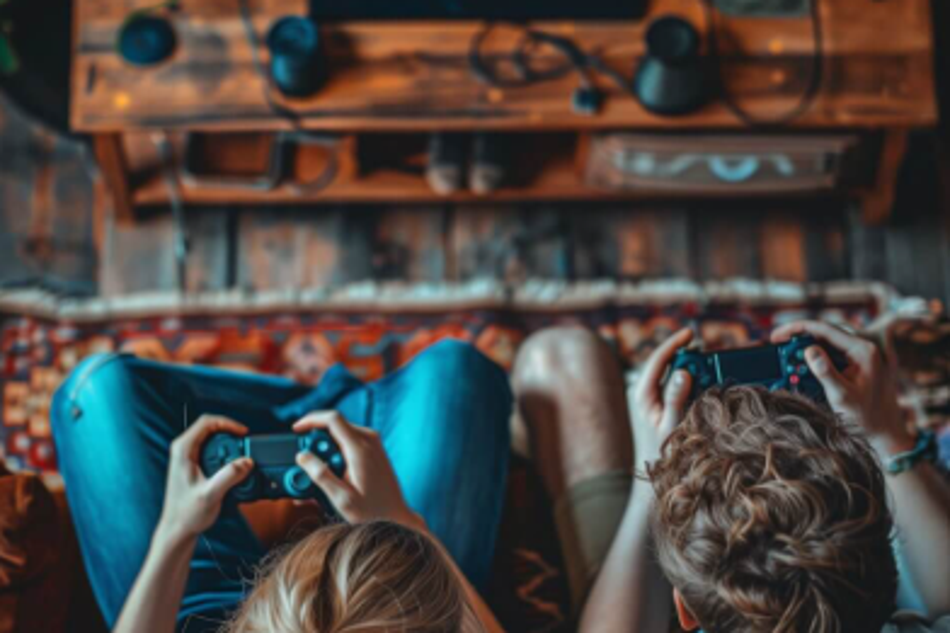
Concerns about screen distance are common, particularly for children. While sitting close to a television or monitor increases short-term discomfort, it does not cause a permanent decline in eye health.
The American Academy of Ophthalmology notes that digital eye strain is linked to prolonged near work and decreased blinking during screen use rather than permanent structural injury (American Academy of Ophthalmology, 2024).
Positioning screens about arm’s length away and taking routine breaks reduces fatigue. Following these habits helps manage eye vision without the risk of permanent vision loss from normal device use.
Managing the environment and digital habits provides a strong foundation for daily comfort. However, understanding the equipment used to correct vision is just as important for maintaining long-term wellness.
3. Will Wearing Glasses Weaken Your Eyes?
This remains one of the most persistent eye myths, often rooted in the idea that relying on corrective lenses makes the eyes “lazy.”
Glasses do not weaken the eyes or create dependency. They compensate for refractive errors that occur when the shape of the eye prevents light from focusing precisely on the retina. The lenses simply bend light so images land where they should. They do not change eye anatomy or muscle strength.
Vision may seem blurrier when contacts or glasses are removed, but that is because the underlying refractive error remains uncorrected. The eyes have not deteriorated from wearing lenses; they are simply returning to their natural state.
Avoiding prescribed contact lenses and eyeglasses forces the eyes to strain in an attempt to compensate. Over time, that strain can lead to headaches, fatigue, and reduced visual clarity. Wearing the proper prescription supports comfort and consistent visual performance. Explore our range of daily and monthly contact lenses designed for clear, comfortable vision.
4. Skipping Glasses Strengthens Vision
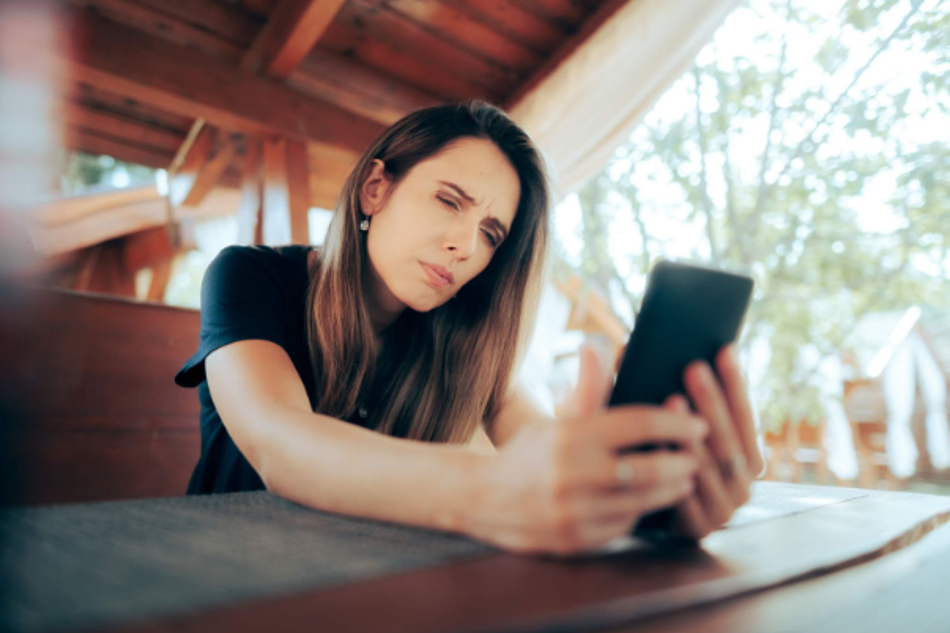
Some individuals believe that stopping the use of contact lenses or eyeglasses will make the eyes stronger over time.
Refractive errors are not caused by weak eye muscles. They occur when the length or curvature of the eye prevents light from focusing precisely on the retina. No amount of squinting or “pushing through” blur changes that structure. Narrowing the eyes may temporarily sharpen focus by limiting incoming light, but it does not correct the underlying issue.
Going without prescribed daily, weekly, or monthly correctional lenses forces the visual system to work harder than necessary. Over time, that extra effort often leads to eye strain, headaches, and reduced concentration.
Using the correct prescription does not weaken the eyes. It reduces unnecessary stress and allows vision to function clearly and consistently.
5. Does Wearing Contact Lenses Improve Eyesight?
Contact lenses are sometimes misunderstood as a step toward permanently improving vision rather than simply correcting it.
Contact lenses do not cure nearsightedness, farsightedness, or astigmatism.
They work by sitting directly on the surface of the eye and redirecting light so it focuses properly on the retina. That positioning can provide a wider field of view compared to glasses, but the underlying refractive error remains unchanged.
Clear vision while wearing contacts reflects accurate correction, not biological improvement. Once lenses are removed, vision returns to its natural state.
Proper hygiene plays a direct role in protecting eye health. Sleeping in lenses without professional guidance, extending replacement schedules, or exposing lenses to water increases the risk of irritation and infection. When used as prescribed, contact lenses are a safe and effective option. Browse our selection of top contact lens brands for options that match your prescription and lifestyle.
6. Brighter Screens Protect Vision

Screen brightness is frequently treated as a protective measure, yet the issue is balance, not intensity.
Overly bright screens increase glare and contrast, forcing the eyes to continually adjust to sharp differences in light. That adjustment can contribute to dryness, blurred focus, and fatigue during extended use. Screens that are too dim create a different problem. When text lacks contrast against the background, the visual system works harder to maintain clarity.
Comfort depends on matching screen brightness to the surrounding environment. A display that appears noticeably brighter than the room creates unnecessary strain. Likewise, a dim screen in a well-lit space reduces readability.
Brightness settings influence short-term comfort. They do not alter eye structure or determine long-term eye health. Proper lighting supports sustained focus without placing extra stress on the visual system.
7. All Light Exposure Is Equally Harmful
Light exposure is frequently discussed as though all forms carry the same risk.
Unfiltered ultraviolet radiation from the sun presents the greatest long-term threat to eye health. Chronic UV exposure has been associated with cataracts and other serious conditions. Sunglasses and contact lenses with UV protection help reduce that risk. Discover our collection of UV-protective sunglassesr for daily eye defense.
Indoor screen light may cause temporary strain. UV exposure carries more serious long-term consequences.
Habits That Actually Support Eye Health
Dispelling common myths creates space for something more useful: habits that deliver measurable results. Long-term eye health is shaped by consistent, preventive actions rather than fear-based avoidance of harmless activities.
Clear vision is not maintained through superstition. It is supported by routine care, proper correction, and protection from known risks. The following habits contribute directly to visual comfort, clarity, and long-term stability.
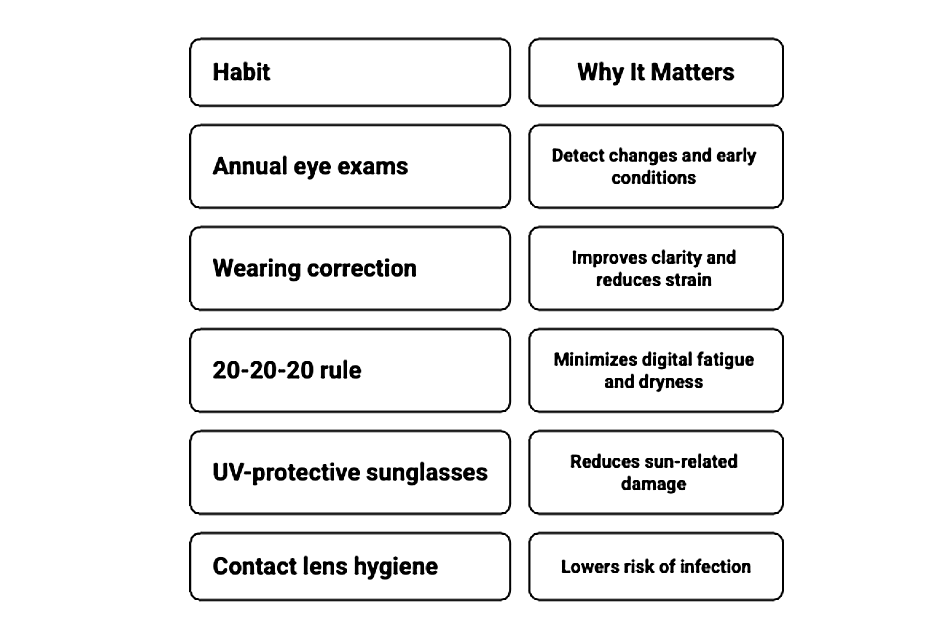
Consistent routines protect eye health more effectively than reacting to common vision myths. Small, evidence-based decisions made daily have a greater impact than any single precaution.
Clear Vision Starts With Facts
Vision myths stick around because they get repeated. A headache after reading in low light can feel like damage. Blurry vision without glasses can feel like weakness. It is easy to mistake temporary discomfort for long-term harm.
Eye health is shaped by routine care, proper correction, and protection from known risks, not outdated warnings.
If vision feels less sharp or bright sunlight causes squinting, it may be time for a prescription update or added UV protection. Explore our collection of contact lens brandsr and sunglasses at exposing lenses to waterPerfectLensesWorld for options that support clear, comfortable vision every day.
Frequently Asked Questions About Eye Health
How Can Eye Health Be Maintained?
How Can Eye Health Be Maintained?
Schedule comprehensive eye exams annually, wear the correct prescription, maintain balanced lighting, use UV-protective sunglasses outdoors, and eat nutrient-rich foods such as leafy greens and omega-3 sources.
Does Screen Time Affect Vision?
Extended screen use can cause digital eye strain and dryness. It does not cause permanent blindness.
Can Reducing Screen Time Improve Eyesight?
Reducing prolonged near focus may relieve strain symptoms. It does not reverse refractive errors.
What Is the Most Harmful Light for Your Eyes?
Unfiltered ultraviolet light from the sun presents the greatest long-term risk. UV-protective sunglasses reduce exposure.

