


Myopia Management: What Parents Should Know
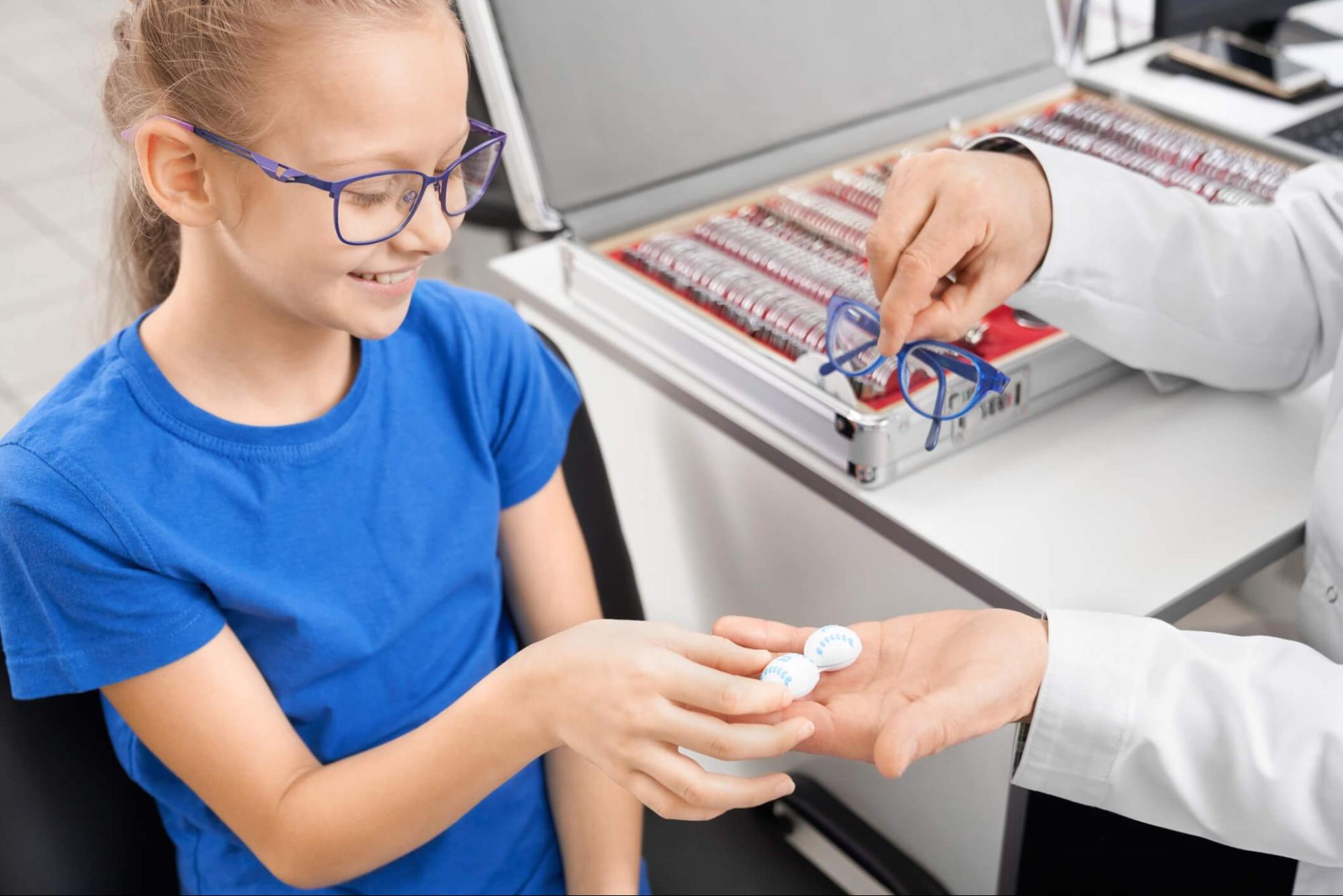
Nearsightedness is a growing concern for many families, especially as more children require stronger prescriptions at younger ages. The primary challenge for parents is not simply addressing blurry distance vision but understanding the steps required to slow those changes over time. Active intervention represents a shift from only correcting vision in the moment to protecting the long-term health of the eye during the years when progression is most likely.
Focusing on the years of peak growth is important because clear sight and eye health change as children mature. By managing the progression of nearsightedness early, families can reduce the likelihood of high myopia and its associated risks. This proactive approach has become a fundamental part of pediatric eye care conversations.
What Is Myopia?
Myopia, also referred to as nearsightedness, occurs when the eye grows too long from front to back, or the cornea is too curved. This structural shape causes light to focus in front of the retina instead of directly on it, which results in clear near vision and blurred distance vision.
The American Academy of Ophthalmology (AAO) describes myopia control in children as a targeted effort to slow this elongation and protect vision during the formative years.
This condition is not a routine matter of updating a lens prescription. Because myopia often progresses through childhood and the teenage years, eye doctors monitor the pattern of change closely once it is identified. A basic understanding of this biological growth makes the logic behind specialized management much easier for families to follow.
Recognizing that myopia involves physical changes to the eyeball highlights why standard correction is often insufficient. Identifying these patterns early is the most effective way to implement a successful control strategy.
The Importance Of Early Myopia Control
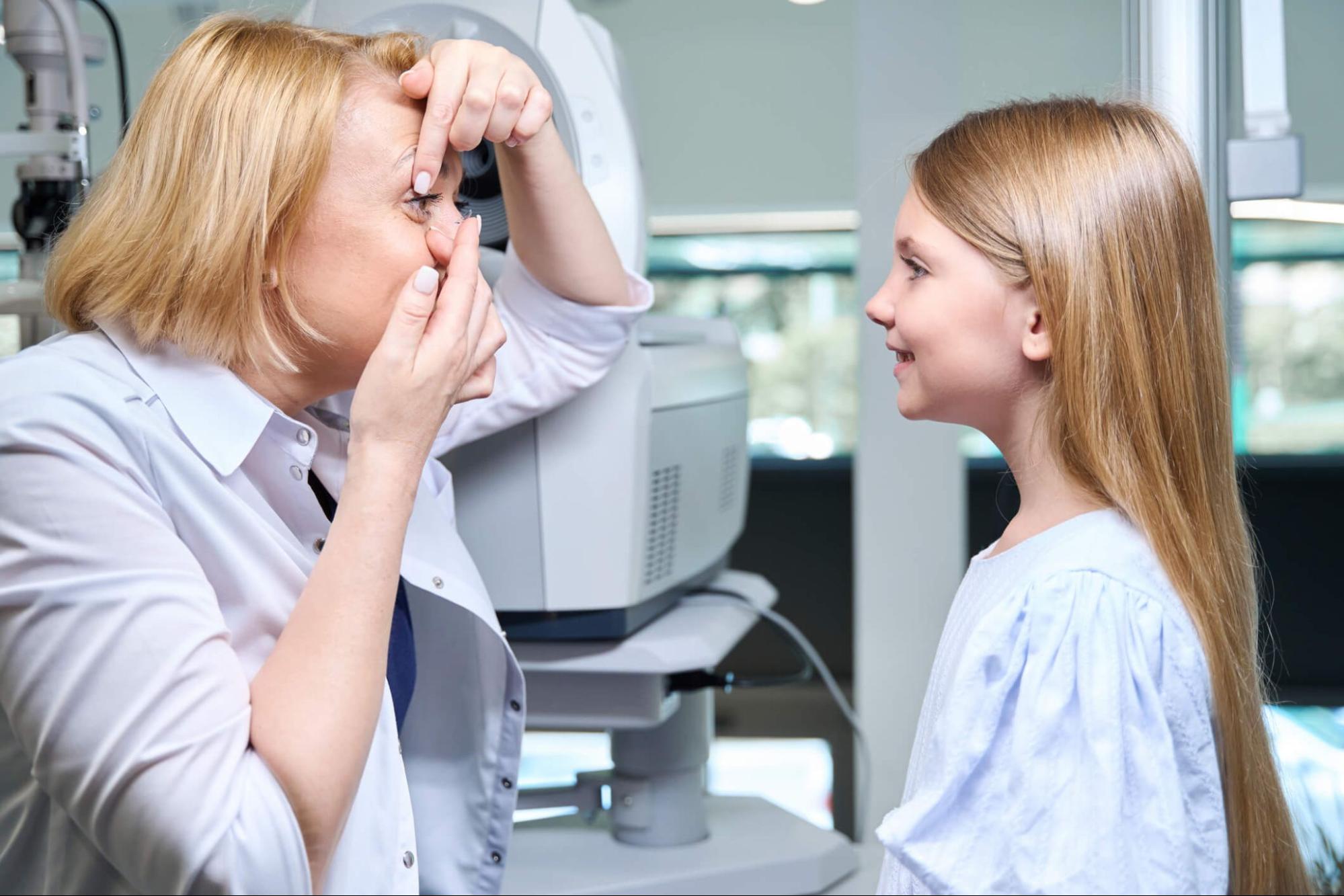
The reason myopia control receives significant clinical attention is that higher levels of nearsightedness are associated with greater long-term eye health risks.
AAO also notes that slowing the rate of progression can help reduce the chances of later complications, such as retinal detachment or glaucoma. Controlling this progression supports both current visual function and the stability of the eye as it ages.
Early attention is critical because the years of active progression are the most effective window for management. While it is common to wait and see if a prescription settles, delay can allow the eye to reach higher levels of myopia that are harder to manage later. This proactive stance is the most effective way to preserve a child's future eye health.
Moving from observation to active treatment requires an understanding of the specific methods available to slow these changes. These options provide families with a variety of ways to address the unique needs of a child.
Evidence-Based Myopia Treatment Options
When parents research myopia treatment, they find a combination of correction methods and progression control strategies. The leading evidence-based approaches include low-dose atropine drops, orthokeratology, specialized spectacle lenses, and soft multifocal contact lenses. Eye care professionals select these treatments based on the visual needs, age, and lifestyle of the child.
Not every option is appropriate for every patient. Factors such as prescription level and consistency in following a care plan affect which route provides the best results. Each method aims to change the course of progression rather than just fixing blurred vision for the current school year.
These treatments are tailored to the specific growth patterns of the individual. Among the most versatile of these options is the use of specialized contact lenses designed for nearsightedness.
The Role Of Contact Lenses For Myopia
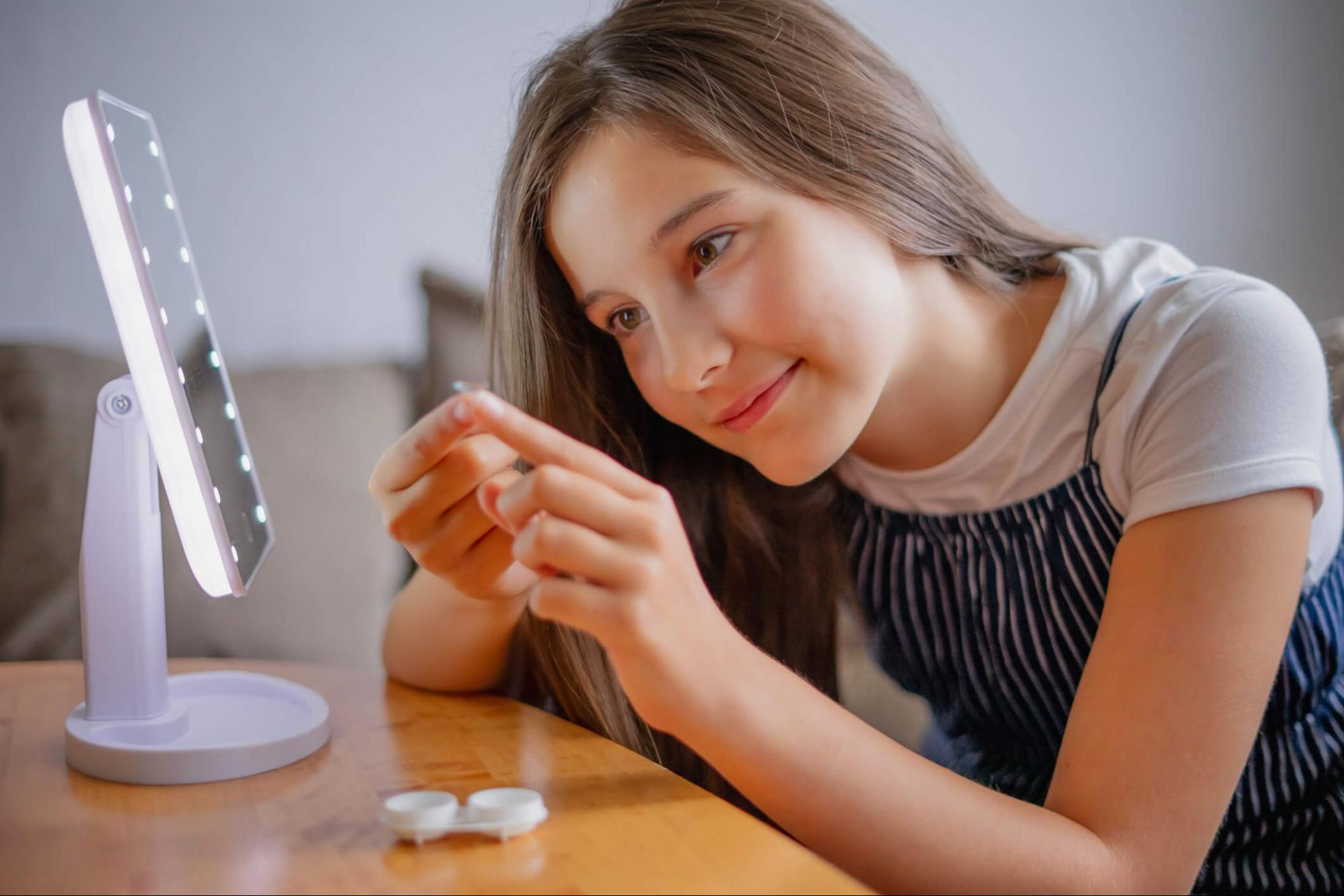
Specialized contact lenses for myopia are a significant category for families comparing vision options. Eye care specialists include these specialized multifocal lenses among the primary options used to address childhood nearsightedness.
These lenses serve a dual purpose by supporting clear daily vision and influencing how the eye grows through peripheral defocus. While not every contact lens is intended for myopia management, those designed for this purpose are highly effective for active children. These lenses provide a high-tech alternative to traditional glasses that may better fit a child's daily routine.
Understanding the function of these lenses helps families set realistic goals for their use. It is equally important to clarify what these lenses can and cannot do regarding the reversal of existing vision changes.
Realistic Expectations: Can Myopia Be Reversed?
A frequent question regarding pediatric vision is can myopia be reversed once a child has been diagnosed. Current medical evidence indicates that management strategies are intended to slow progression rather than reverse nearsightedness. Myopia control treatments aim to slow the lengthening of the eye but do not promise to stop the process entirely or return the eye to its original shape.
Clarifying these expectations is part of the decision-making process for parents. The goal of myopia management is to reduce the final level of nearsightedness a child reaches by the time they are an adult. By keeping the prescription lower, the risks associated with high myopia are significantly mitigated.
Because the physical elongation of the eye is permanent, the focus remains on slowing future growth. This leads to questions about the timing of these treatments and when the eyes typically stop changing.
Timing and Stabilization Of Progressive Myopia
The phrase progressive myopia refers to nearsightedness that continues to worsen over time, usually during childhood and adolescence. My Kids Vision states that management should ideally continue until the eye becomes stable, which often occurs in the late teenage years or early adulthood. This means management is a long-term process requiring regular monitoring and periodic adjustments.
Timing is important because intervention is most effective when it begins during the years of most active growth. Families do not need to wait for a large prescription shift before starting a discussion about management. Addressing the rate of change as soon as it is detected ensures the best possible outcome for the child.
Ongoing professional care ensures that the treatment plan remains aligned with the child's development. This comprehensive approach is what allows families to feel confident in the long-term health of their child's vision.
Strategic Long-Term Eye Care For Children

Myopia management is a fundamental shift in how eye care providers address childhood vision. Instead of treating each prescription update as an isolated event, clinicians look at the overall pattern and attempt to slow the growth of the eye before it becomes significant. This perspective is now a central part of clinical guidance and modern pediatric care.
PerfectLensWorld provides a practical path for families exploring these options. Understanding which lens categories are relevant helps narrow the field when comparing the recommendations of an eye care professional.
To explore a variety of protective vision tools, visit our collection of contact lens brands, styles, and eyewear accessories.
Frequently Asked Questions About Myopia Management
What Is The Best Way To Manage Myopia?
There is no single best option for every child. Leading approaches include low-dose atropine drops, orthokeratology, specialized spectacle lenses, and soft multifocal contact lenses. The appropriate choice depends on age, prescription, lifestyle, and the recommendations of an eye care professional.
What Is The Best Age For Myopia Management?
Management is usually most effective when started during childhood, specifically once myopia is detected and begins to progress. Intervening during the years when prescriptions are still changing offers the greatest opportunity to slow the elongation of the eye.
Is Myopia Management Worth It?
For many families, the value comes from slowing the progression of nearsightedness during the most active growth years. This supports better current vision and reduces the long-term health risks associated with higher levels of myopia.

