


How to Put in Contacts: A Quick Guide for Beginners

Getting new contacts is an exciting step toward having a clear vision without carrying the weight of eyeglass frames. At first, the idea of touching one’s eye might feel a bit nerve-racking and awkward, but it is a skill that becomes second nature with a little practice.
It’s like a child first learning to tie their shoes; initially awkward, but soon it becomes second nature. This guide provides the easiest way to put in contacts so the day can start with a fresh perspective.
Preparing for Success
Many people find the initial adjustment period during the first few weeks of wearing contact lenses is where they need the most support. Most beginners deal with the same handful of issues: blinking too fast, second-guessing the lens position, or wondering if the lens is inside out.
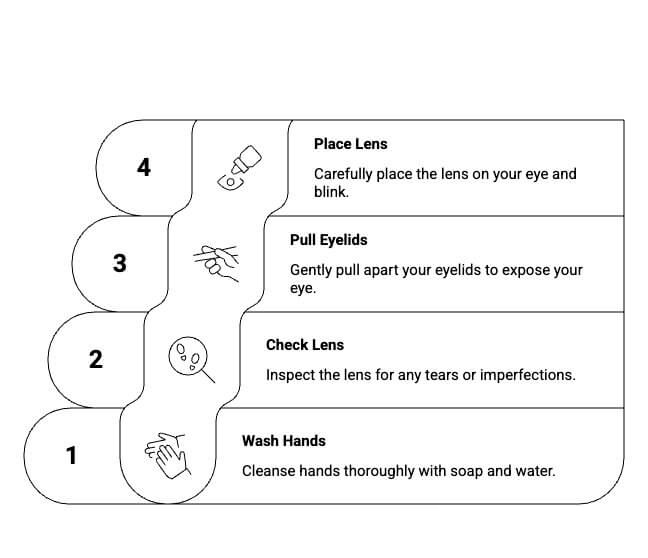
First things first. Cleanliness is the foundation of eye health, and that begins with hand washing.
Avoid soaps with heavy oils or lotions, as these can transfer to the lens and cause blurry vision. Dry hands thoroughly with a lint-free towel, as moisture left on the fingers can make the lens stick to the finger instead of the eye.
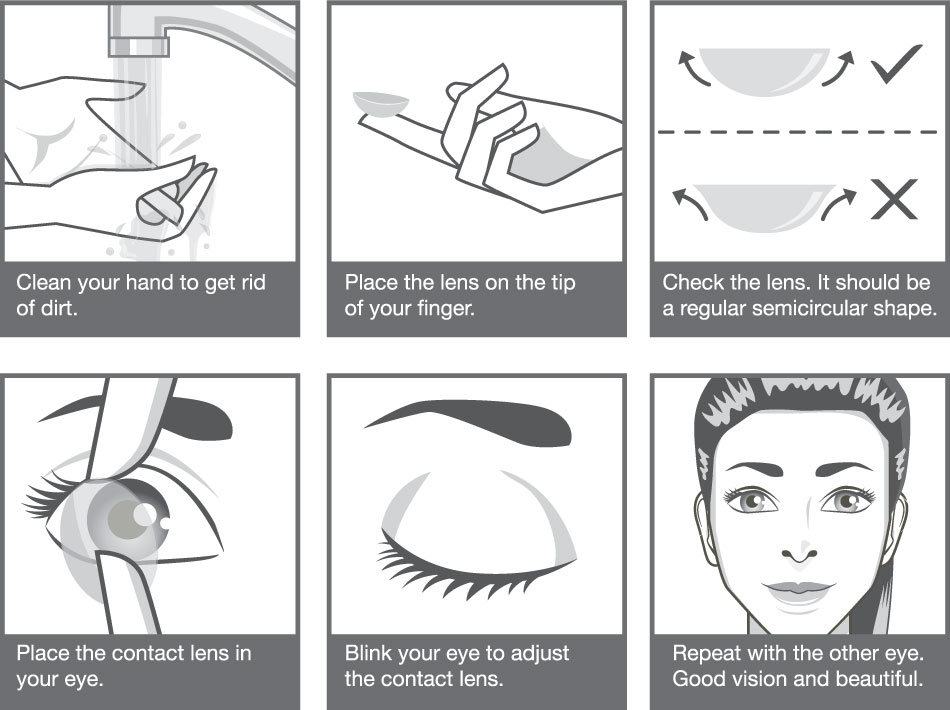
Next, remove a lens from the case. Place the lens on the tip of a dry index finger and hold it up to the light. This is the moment to check for any tiny tears or debris. If a speck of dust is visible, rinse the lens with a fresh multipurpose solution.
The Centers for Disease Control and Prevention (CDC) notes that contact lenses should be kept away from all water, including shower and swimming water, to prevent serious infections or lens warping.
With that advice in mind, taking these small precautions helps avoid common frustrations that stop many beginners from wearing contacts before they start. With everything ready and the lens properly inspected, it is time to focus on techniques for a smooth application.
How to Put Contacts in for the First Time
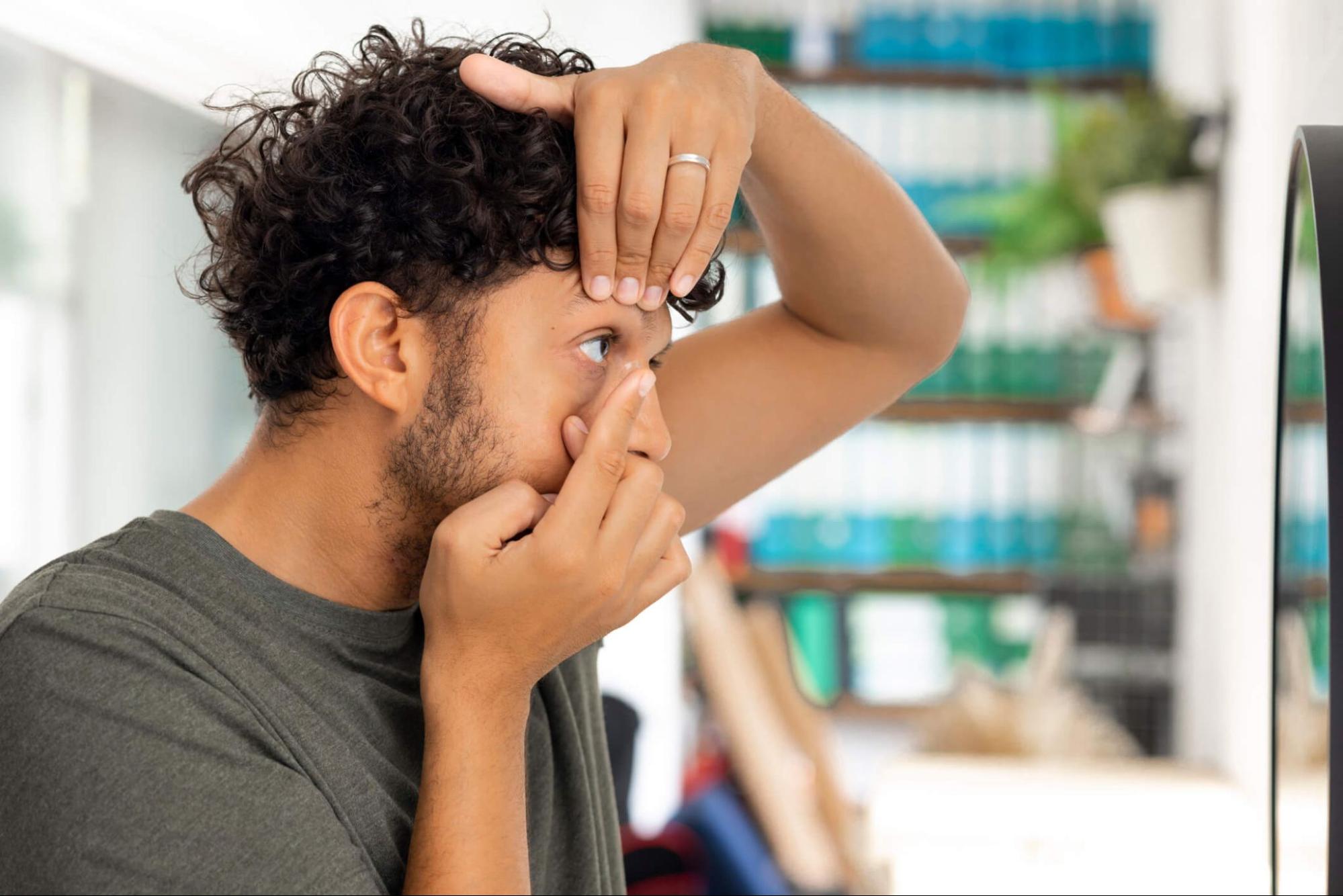
The most effective approach for beginners to put in contact lenses is often the “two-finger method.” This technique provides maximum control and keeps the eyelids from fluttering shut. Using the same eye first every time can also help keep the routine simple and lower the chance of mix-ups.
- Check the Orientation: Look at the lens from the side. It should look like a small bowl with edges that curve straight up. If the edges flare outward like a soup plate, the lens is inside out. Simply flip it back.
- The Hold: Use the middle finger of the dominant hand (the one holding the lens) to pull the lower eyelid down. Use the other hand to firmly hold the upper eyelid upward so it does not blink shut.
- The Placement: Look straight ahead or upward and gently set the lens on the eye. Try resting the inserting hand lightly against the cheek for more control.
- The Settle: Once the lens is on, slowly release the eyelids. Close the eye for a moment and blink a few times slowly. This allows the lens to center itself and settle into place.
A lens may feel tricky to place if it is too dry, damaged, or sitting on a fingertip that is too wet to hold it steady. Keep fingernails short to lower the risk of scratching the eye during these early attempts.
Getting that first lens in place is a major win and usually provides a boost of confidence. While the process might feel slightly unusual at first, the eye quickly adjusts to the new sensation.
New contact lens wearers should know to avoid wearing one lens. This can throw off vision and strain the eyes. Some doctors may prescribe a “monovision” setup for specific needs; it is a medical choice rather than a casual workaround. If a lens is lost, switching to backup glasses is the safer move.
Putting in Contacts, the Easy Way
Putting in contact lenses can feel like an uncomfortable uphill battle, but the initial learning curve is normal and only lasts a few days to weeks. Over time, the anxiousness will decrease as putting in and removing contacts becomes a part of the daily routine.
Ready to see the world in a whole new way? Shop for the freshest styles and stock up on contact lenses, sunglasses, and eyewear accessories available for delivery from PerfectLensWorld.
Common Questions from New Contact Lens Wearers
Why Do Some Struggle to Put Contacts In?
Most struggles come from the natural urge to blink or having hands that are too wet. Using a dry index finger while the lens remains moist is a helpful trick. If a missed attempt happens, taking a moment to breathe rather than forcing a rushed second try often leads to better results.
Do Contacts Hurt at First?
Contacts should not cause real pain. A new lens should feel like a very slight sensation or nothing at all. The FDA states that lenses should be removed right away, and an eye doctor should be contacted if vision changes, redness, pain, or heavy tearing start. If a lens feels gritty, remove it, check for debris, and start over with a fresh solution.

