


What to Do if Your Contacts Feel Dry Halfway Through the Day

The feeling of scratchy, irritated eyes by 2:00 PM is a common struggle for many contact lens wearers. While some assume this discomfort is just part of the experience, it often signals that the eyes need more moisture or a different lens material. Addressing the issue early prevents redness and irritation and keeps vision clear throughout the entire workday.
Identifying the specific triggers for this discomfort is the first step toward reclaiming clear vision. By understanding the environment and personal habits, we can more easily remedy the situation.
Why Does Eye Dryness Occur So Frequently With Contacts?
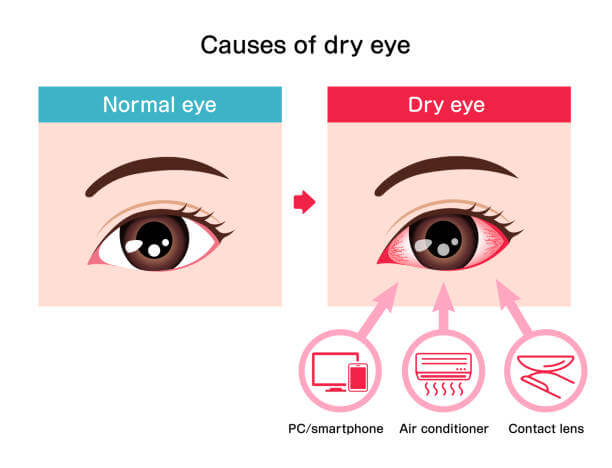
A contact lens rests directly on the surface of the eye, meaning even minor shifts in tear quality become noticeable almost immediately. When tears evaporate too quickly, lenses can start to feel sticky, gritty, or blurry. Screen time significantly contributes to this issue because people tend to blink less when focusing on a monitor or phone, sometimes cutting the natural blink rate in half and leaving the lens surface exposed.
Beyond digital habits, environmental factors like air conditioning, heating vents, and low-humidity office spaces pull moisture from lenses at an accelerated rate throughout the workday. The material of the lens also plays a role, as some types are more prone to drying out than others.
Some lens types are more prone to drying out quickly than others. According to a 2024 peer-reviewed epidemiology study published in NIH's National Library of Medicine, more than 50% of contact lens wearers report dry eye symptoms, making it one of the most common reasons people reduce their wearing time or stop using lenses altogether.
While environmental factors and lens materials often set the stage for irritation, they do not have to dictate the rest of the day. Having the right tools on hand provides the immediate relief necessary to finish the workday comfortably without needing to switch to glasses.
Taking a proactive approach with targeted moisture can turn a scratchy, midday struggle into a seamless wearing experience.
Immediate Solutions for Dry Contacts
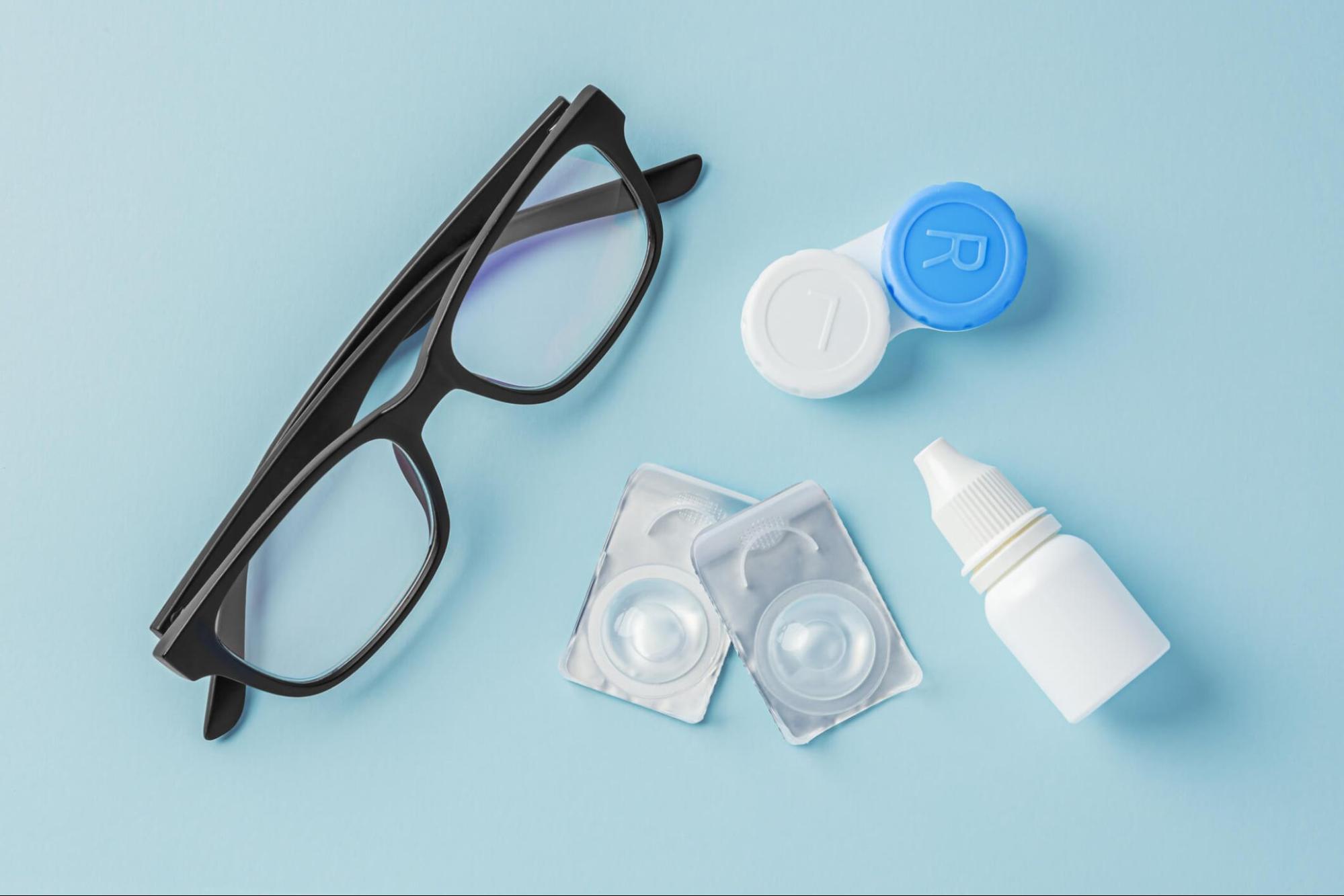
The fastest way to find relief is to use eye drops to hydrate the contact lenses. Yet, not all drops work the same way. Selecting a formula specifically labeled for use with lenses is a priority. Standard redness-relief drops can trap chemicals against the eye, leading to further irritation or staining the lens material.
Conversely, specialized lubricant contact lens rewetting drops offer a safe way to add moisture without removing the lenses. Mimicking natural tears, they help flush out small bits of dust or protein that accumulate during the day.
Keeping a small bottle at a desk, in an armrest in the car, or in a bag allows for quick applications whenever that gritty sensation starts to settle in. Once moisture levels return to normal, the lenses should feel smooth and clear again.
However, if the lens physically dries out on outside of the eye, a more cautious approach is required to protect ocular health.
Can You Rehydrate Contacts Safely?
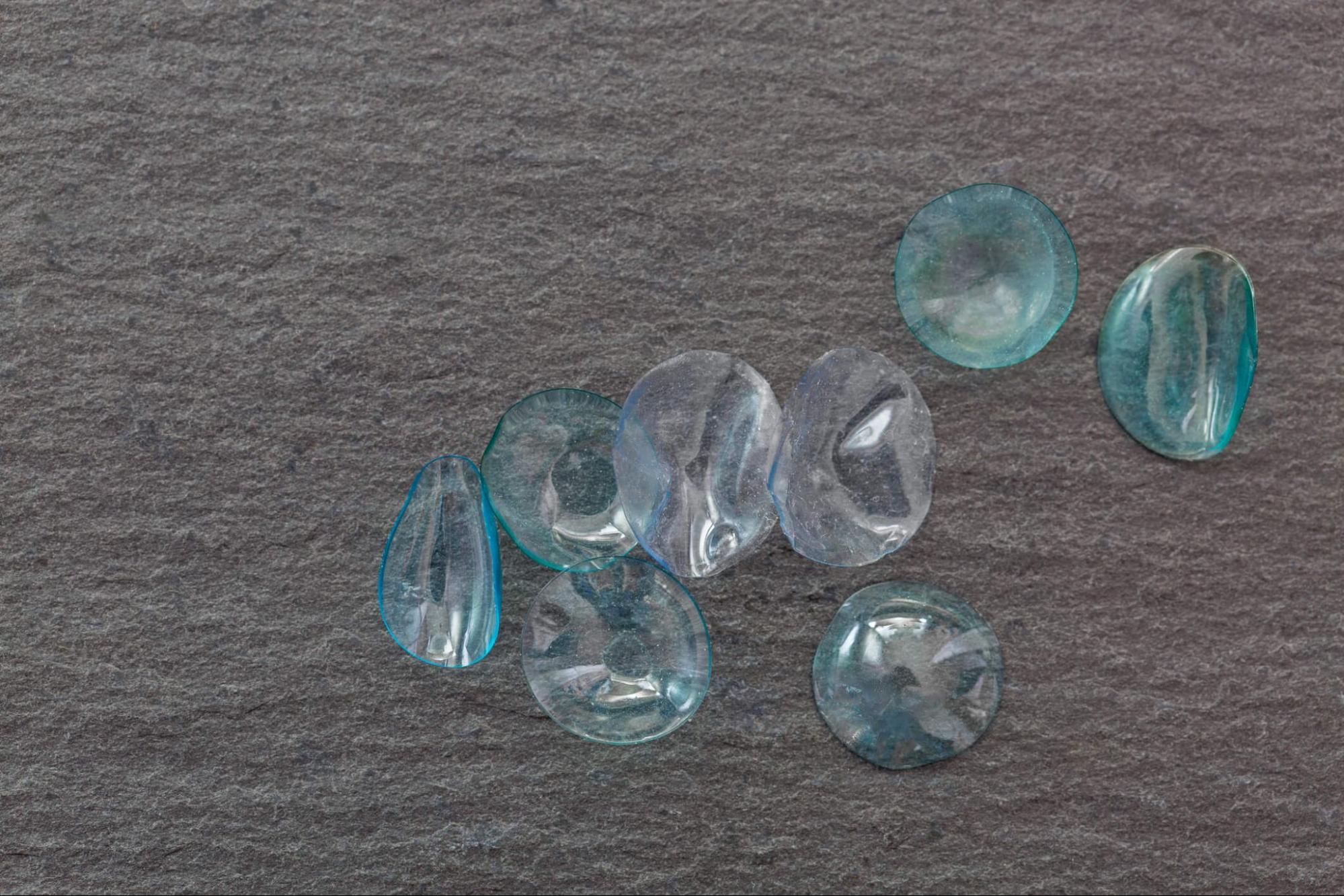
A common question for people on the go is, “Can you rehydrate contacts once they feel brittle?” If a lens has fallen out and dried up on a surface, it is generally safer to throw it away. A dry contact loses its shape and structural integrity, and attempting to soak it back to life often results in a lens that is uncomfortable or prone to tearing.
Solutions for Dry Eyes from Contact Lenses
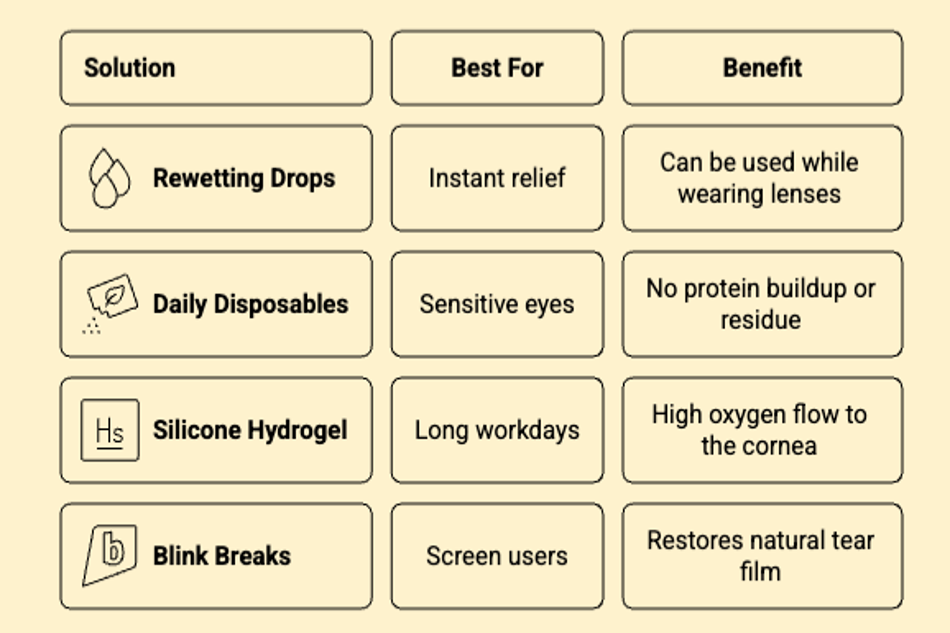
If the lens is still in the eye but feels parched, drinking plenty of water and using intentional blinking exercises can help. Taking a 20-second break every 20 minutes to fully and slowly blink several times redistributes the tear film across the lens. This simple habit supports more comfortable wear during long stretches of digital work.
Taking these small steps preserves the life of the lens and protects the delicate surface of the cornea. If hydration does not work, a long-term solution may involve upgrading the lens technology itself.
Choosing Better Contacts for Dry Eyes
For those who deal with chronic eye issues, switching to contacts for dry eyes can make a significant difference. Modern lenses made from silicone hydrogels allow more oxygen to reach the eye, which helps maintain a healthy tear film.
Daily disposable lenses are also highly recommended because a fresh, sterile lens every morning prevents the buildup of deposits that cause late-day dryness.
Selecting the right material is a collaborative process between a wearer and an eye doctor. Evaluating different types of contact lenses can help narrow down the best choice for all-day hydration.
Visualizing New Eye Care Options
Persistent discomfort often indicates that a current lens type no longer supports the eyes' specific hydration needs. If dryness remains a daily struggle, moving to a lens material that prioritizes moisture retention can restore comfort and vision clarity. High-quality daily disposables and silicone hydrogel options are specifically designed to perform where standard lenses might fail.
Upgrading to more advanced materials often eliminates the need for constant rewetting drops. These modern designs work with the eye’s natural biology to maintain a stable tear film even during long hours of frequent screen time.
Browse PerfectLens World’s full collection of contact lenses, sunglasses, and vision accessories to find your perfect fit and see life in a whole new way.
Solutions for Eye Dryness With Contacts FAQs
How to Moisten Eyes With Contact Lenses?
Apply one or two drops of approved rewetting solution directly to the eye while the lens is in place. Keep the eyes closed for a few seconds to let the liquid distribute evenly across the surface. This provides an immediate moisture boost without needing to remove the lenses, making it a practical fix for dry office environments.
Should Wearing Contacts Stop if Eyes Are Dry?
A break is a good idea if the eyes are red, painful, or excessively watery. Taking a temporary break from lenses gives the ocular surface time to recover and stay healthy. If discomfort persists after a period of rest, a consultation with an eye care professional is recommended to rule out underlying conditions.
Quick Tips for How to Fix Blurry Contacts
Blurry vision is often caused by protein buildup or the lens becoming off-center during the day. Rinse the lens with fresh solution or use a rewetting drop to clear away debris that may be clouding the surface. If blurriness remains, it may indicate a lens that has reached its replacement date or is no longer sitting correctly on the eye.
What Removes Protein From Contacts?
A multipurpose solution used with a manual rub and rinse method is the most effective way to break up daily protein deposits. For heavy buildup on monthly lenses, hydrogen peroxide-based cleaning systems offer a deeper level of disinfection.
Moving to daily disposable lenses eliminates the issue of protein accumulation because a fresh lens is used every morning.

