


What Athletes Need to Know About Sports Contact Lenses
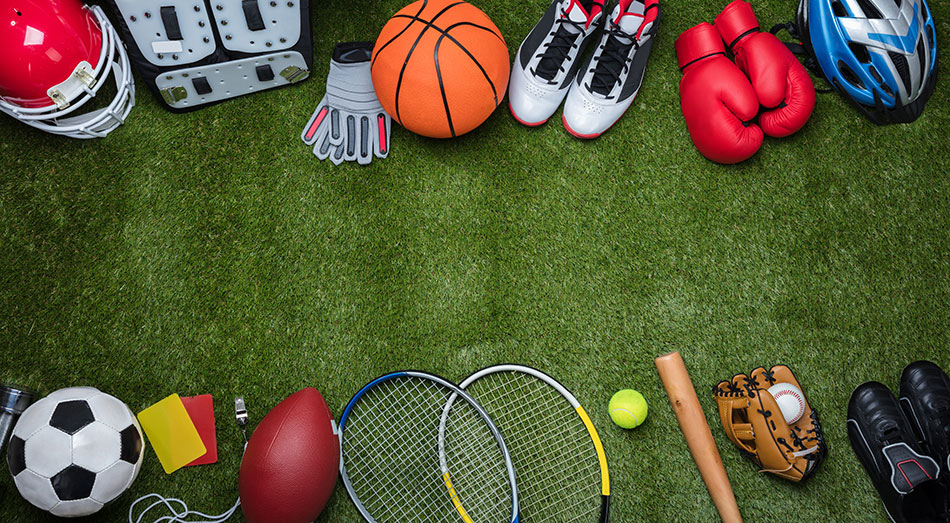
Strong performance depends on more than training and preparation. Clear, reliable vision also plays a major role in how athletes track movement, react quickly, and stay aware of what is happening around them. For athletes who need vision correction, contact lenses are often a better fit for sports than glasses because they move with the eye and work more easily with helmets, goggles, and other gear.
Choosing the right lenses, wearing them properly, and knowing where they do and do not make sense can affect both comfort and safety during play.
Can Athletes Wear Contact Lenses?
Contact lenses are often a practical choice for athletes because they move with the eye and avoid many of the common frustrations that come with glasses during sports. Frames can slip during movement, fog up with sweat and temperature changes, interfere with helmets or goggles, and limit side vision. Contacts remove those distractions and can make it easier to stay focused during play.
That benefit matters most in sports that depend on quick reactions and strong peripheral awareness.
Contact lenses can expand the peripheral field of vision compared with glasses, which can be an advantage in fast-paced sports where awareness across the full field of view matters.
Still, contact lenses do not protect the eyes from impact. In sports with a higher risk of eye injury, protective goggles or face shields are still part of the conversation, and contacts can usually be worn comfortably underneath them.
For many athletes, the real advantage is not just clearer vision. It is vision correction that works more naturally with movement, equipment, and the pace of the game. That makes the next question just as important: which type of contact lens tends to work best for sports?
Sports Contacts vs. Regular Contacts: Is There a Difference?
Standard soft contact lenses work well for most athletic activities, but a growing category of performance-focused lenses is designed specifically with sports in mind.
Standard soft contact lenses, including daily disposable, bi-weekly, and monthly lenses, are the most commonly worn type among athletes. They conform to the shape of the cornea, stay put during movement, and are far less likely to be lodged in the eye than rigid lenses during intense physical activity. For recreational athletes or those with mild prescriptions, a well-fitted standard soft lens is often all that's needed.
Tinted Sports-Performance Lenses
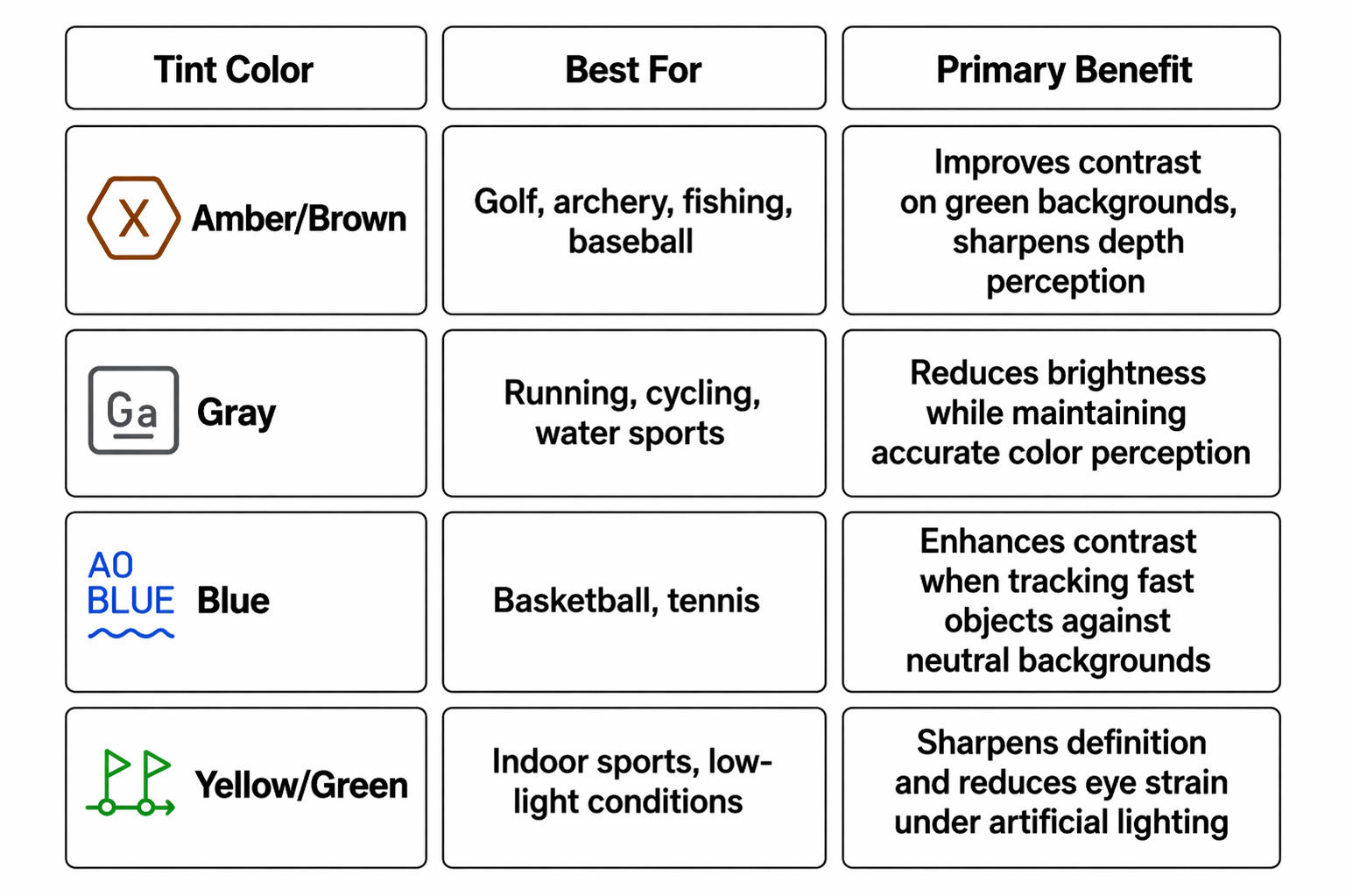
Some contact lenses are engineered with colored tints that filter specific wavelengths of light to sharpen contrast, cut glare, or improve depth perception, depending on the sport and environment.
Interestingly enough, different tints serve different purposes:
Rigid gas permeable lenses are rigid and hold their shape on the eye, which can produce sharper vision, particularly for athletes with higher degrees of astigmatism, and allow significant oxygen flow to the cornea. The drawback is a longer adaptation period, making them less practical for part-time or sport-only wear.
For most athletes, especially those new to wearing contacts or using them specifically during activity, soft lenses are the most practical and comfortable starting point.
The Real Performance Advantages of Contacts for Sports
The benefits of contacts in sports go beyond convenience. They can make it easier for athletes to track movement, react quickly, and play without the distractions that often come with glasses.
One of the biggest advantages is a wider, less obstructed field of view. Glass frames can get in the way of side vision, which matters in sports where awareness across the field or court is part of the job. Contacts sit directly on the eye, so they move with it and allow for a more natural visual range.
The Centers for Disease Control and Prevention (CDC) notes that well-fitting contact lenses stay in place and can improve peripheral, or side, vision during sports and other activities. Contacts also do not fog up the way glasses can.
Wearing contact lenses also tends to work better with helmets, face shields, sports goggles, and masks because there are no frames affecting fit. That can make vision correction feel more natural during practice and competition, especially in sports that involve quick movement or protective equipment.
These advantages explain why contacts are often the preferred choice for athletes who need vision correction.
Which Sports Are Contacts Best Suited For?
Contact lenses can work well across many sports, but not every environment is equally lens-friendly. Some activities are a natural fit for contacts, while others bring conditions that can make lens wear less practical or less safe.
Sports that are often well-suited for contacts:
- Team sports, such as soccer, basketball, football, volleyball, baseball, and softball
- Court sports, such as tennis, racquetball, squash, and pickleball
- Endurance sports, such as running, cycling, and triathlon
- Precision sports, such as golf and archery
- Winter sports that use protective goggles, such as skiing and snowboarding
- Outdoor track and field
In these settings, contacts are often a solid option because they allow athletes to compete without the limitations that glasses can create during movement.
Sports that call for extra caution:
Swimming and Water Sports
Contact lenses should generally stay out of the water. Pools, lakes, and oceans can expose lenses to harmful microorganisms. For athletes who need vision correction in the water, prescription swim goggles are usually the better option.
Combat Sports
Boxing and full-contact martial arts create a high risk of direct impact to the eye area. Contacts may correct vision, but they do not offer protection in sports where blows to the face are expected.
Windy or Dusty Outdoor Sports
Sand, dirt, and other debris can get under a lens and irritate. In those conditions, comfort can break down quickly, especially during long events or practices.
The main issue is not whether contacts can be worn in sports overall. It is whether the sport puts the eyes in an environment where lenses become harder to wear safely and comfortably.
That said, is there a specific type of contact lens that athletes prefer?
Daily Disposable Lenses: Why Athletes Love Them

Daily disposable lenses appeal to athletes for one simple reason: they make lens wear easier to manage. A fresh pair goes in before practice, training, or competition, then gets thrown away afterward. There is no cleaning routine, no storage case to deal with, and less room for mistakes when schedules get busy.
That simplicity matters in athletic settings, where locker rooms, long travel days, and outdoor conditions can make lens care harder to manage consistently.
The American Optometric Association explained that daily disposable wearers experience fewer contact lens complications, including infections, than those using longer replacement schedules. It also notes that daily disposables are a good option for part-time wearers.
They also make practical sense during competition. If a lens falls out, a replacement can be used right away. For athletes who only want contacts for games, practices, or weekend leagues, daily disposables offer flexibility without the upkeep of a longer replacement schedule.
That combination of convenience, flexibility, and lower maintenance is a big reason daily disposables stand out in sports.
What to Tell the Eye Doctor Before Playing Sports
Getting the best fit for sports starts with a conversation with an eye doctor. A lens that works well for one athlete may not work as well for another, especially when the sport, environment, and wear schedule vary.
Before an eye exam or fitting, it helps to share:
- the sports being played and how often they are played
- whether the activity is recreational or competitive
- the usual conditions, such as indoor, outdoor, windy, dusty, humid, or cold settings
- whether helmets, goggles, or other protective gear are part of the sport
- any history of dry eye, allergies, or contact lens discomfort
- whether contacts are only needed for games and practices or for daily wear too
That information can help guide choosing lenses that make sense for the athlete’s actual routine. In some cases, that may mean a toric lens for astigmatism. In others, it may mean a custom soft lens for a more precise fit. The goal is not just vision correction. It is finding a lens that stays comfortable, stable, and practical in the settings where it will actually be used.
Are Sports Contacts Worth It?
Contact lenses can be a practical choice for sports because they offer clear, consistent vision without the drawbacks that often come with glasses during activity. That matters for athletes at every level, not just those competing at the highest one.
Daily disposables can be especially appealing for sports because they are easy to manage and work well for part-time wear. They also make sense for athletes who want contacts for games, practices, or race days without wearing them full-time.
In the end, wearing contacts while playing sports is less about gaining an edge and more about removing distractions. For athletes who are tired of frames slipping, fogging, or getting in the way, our collection of contact lenses can remove vision difficulties and make it easier to focus on the sport itself.
Frequently Asked Questions
Are There Contact Lenses Made Specifically for Athletes?
Beyond standard soft lenses, there are performance-tinted contact lenses designed to improve contrast, reduce glare, and sharpen visual clarity based on the lighting and background conditions of different sports. An eye doctor can help identify whether performance contacts are a good fit based on the sport and prescription.
Can Someone Get Contacts Just for Playing Sports?
Daily disposable contact lenses are a popular option for part-time athletic use. A person can wear glasses during daily life and switch to daily contacts only for games or workouts. There is no requirement to wear contacts full-time.
Are Contacts Worth It for Sports Compared to Glasses?
Contact lenses provide a wider, unobstructed field of view, stay stable during physical movement, work comfortably under protective gear, and eliminate the injury risk associated with eyeglass frames. Most athletes who make the switch report feeling less distracted and more focused during activity.
Can Contacts Be Worn While Swimming?
No. Water from pools, lakes, or the ocean can trap microorganisms against a contact lens and increase the risk of serious infection. Prescription swim goggles are a safer alternative. If contacts must be worn under swim goggles, daily disposables are recommended so they can be discarded immediately after water exposure.

