


How Long Should You Wear Contacts? 6 Tips To Protect Your Eyes

To get the most benefits out of contact lenses, the safe wearing time length depends on the lens type, replacement schedule, and whether the lenses are approved for overnight use. Wearing contacts longer than directed can increase the risk of dryness, irritation, and infection, which is why wear time matters just as much as fit and prescription.
This guide explains how long contacts can be worn each day, how long contacts last before replacement, what happens if contacts stay in too long, and how daily habits affect eye health. It also breaks down the differences between daily disposable contacts, monthly contact lenses, and extended wear contacts so the safest routine is easier to understand.
How Long Should Contacts Be Worn Each Day?
Safe daily wear time is not the same for every contact lens wearer. Lens material, tear quality, environment, and screen time all affect how long lenses remain comfortable and suitable for daily wear. For many standard soft contact lenses, a common daily wear window falls between 8 and 14 hours, though some silicone hydrogel lenses may be tolerated longer under professional guidance.
Comfort should not be treated as the only signal. Contacts can still feel acceptable after the eyes have become dry or the cornea has had reduced oxygen exposure for too long. Dry air, long workdays, and heavy screen use can make that happen sooner than expected.
For this reason, a lens-wearing schedule given by an eye doctor should guide daily use. The most dependable rule is simple: wear contacts only for the period recommended for that specific lens type, then remove them on time.
Daily Disposable Contacts vs. Monthly Contact Lenses
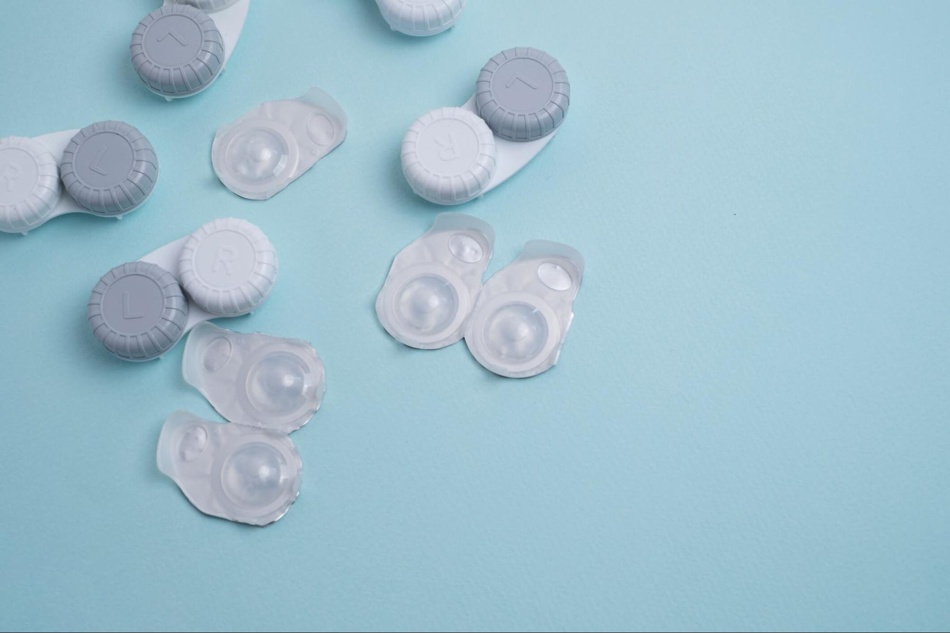
The difference between daily disposable contacts and monthly contact lenses affects both convenience and safety. The term “daily” refers to the replacement schedule, not nonstop wear. A daily disposable lens is worn once, removed, and discarded. The term “monthly” means the same pair may be used for up to 30 days, but only with proper cleaning, storage, and nightly removal unless the lens is specifically approved for overnight wear.
Daily disposable contacts are often the simplest option because they remove the cleaning step entirely. A fresh pair is used each day, which limits buildup from tears, oils, and debris. That makes them a strong option for occasional wear, travel, sports, and anyone looking for a lower-maintenance routine.
Monthly contact lenses are built for repeated use, but they require consistent care. Skipping cleanings, reusing old bottles of solution, or stretching the replacement window can increase the chance of eye irritation and contamination. The safest choice usually comes down to which schedule can be followed consistently without shortcuts.
What Are Extended Wear Contacts?
Extended wear contacts are a separate category designed for overnight or continuous wear under professional supervision. These lenses are usually made from silicone hydrogel, a material that allows more oxygen to reach the cornea than older hydrogel lenses.
That added oxygen flow does not remove risk. Sleeping in lenses still carries a higher chance of complications than removing them before bed. Extended wear contacts are intended for specific cases and should never be treated as a substitute for standard daily wear lenses.
This distinction matters because many readers confuse monthly lenses with overnight lenses. A monthly replacement schedule does not automatically mean overnight use is appropriate. Only lenses prescribed for extended wear should ever be used that way.
What Happens if Contacts Are Worn Too Long?

Wearing contacts for too long can affect the eyes in several ways. The first signs are often dryness, redness, blurred vision, a gritty sensation, or the feeling that the lens no longer sits correctly. Those symptoms may seem minor at first, but they can signal that the lens has stayed in beyond a safe limit.
Overwear can also raise the risk of more serious problems. Deposit buildup, reduced oxygen at the corneal surface, and poor moisture balance can all make the eye more vulnerable to inflammation and infection. In some cases, contact lens overwear can contribute to corneal ulcers or infectious keratitis, both of which need prompt medical attention.
The safest response to those symptoms is immediate lens removal. If irritation, pain, blurred vision, or light sensitivity continue after removal, an eye doctor should evaluate the eye as soon as possible.
What Happens if Contacts Stay in Overnight?
Sleeping in contacts is one of the most common contact lens mistakes and one of the riskiest. The Centers for Disease Control and Prevention (CDC) (Preventing Eye Infections When Wearing Contacts; 2025) states that sleeping in contact lenses can increase the risk of eye infection and advises lens wearers to avoid overnight use unless specifically directed by an eye care provider.
Closed eyes reduce oxygen exposure, and the lens stays pressed against the cornea for hours without a break. That combination can lead to dryness, redness, discomfort, blurred vision, and a greater risk of infection. Even taking a short nap can leave lenses stuck, dry, or harder to remove.
Only extended-wear contacts prescribed for overnight use belong in that category. For everyone else, lenses should come out before sleep, including naps.
6 Tips to Protect Eyes During Contact Lens Wear
Safe contact lens wear depends on routine as much as product choice. Small habits often determine whether lenses stay comfortable and whether the eyes remain free from avoidable irritation.
1. Follow the Replacement Schedule Exactly
Daily disposable contacts should be discarded after one use. Monthly contact lenses should be replaced on time, even if they still seem usable.
2. Remove Lenses Before Sleep
Unless extended-wear contacts have been prescribed for overnight use, lenses should come out before bed and before naps.
3. Wash and Dry Hands Before Handling Lenses
Clean hands help keep bacteria, oil, and debris off the lens surface.
4. Keep Contacts Away From Water
Tap water, pools, and showers can expose lenses to harmful microorganisms. Contact lens solution is the appropriate choice for cleaning and storage.
5. Replace the Lens Case Regularly
Cases can collect contamination over time. Replacing the case every few months supports better lens hygiene.
6. Replace the Lens Case Regularly
Routine exams help confirm that the prescription, fit, and lens type still match the eyes’ needs.
These habits support both comfort and eye health. Safe wear time is not only about hours in a day. It is also about following the full care and replacement routine attached to that lens.
Choosing the Right Lens Routine

The right contact lens routine depends on how often lenses are worn and how reliably the care schedule can be followed. Daily disposable contacts offer a simple option with fewer maintenance steps. Monthly contact lenses can work well for regular wearers who stick closely to cleaning and replacement guidelines. Extended-wear contacts are appropriate only in select cases under professional supervision.
That makes lens choice a practical decision as much as a comfort decision. A routine that is easy to follow consistently usually supports safer wear over time than one that invites skipped steps or stretched schedules.
For shoppers comparing lens types, PerfectLensWorld offers a broad Contact Lens Collection, with options for daily disposable contacts, monthly lenses, as well as eye care products that support safer daily use to enhance vision and comfort.
Contact Lens Wear Time: Common Questions Answered
How Long Can Contacts Be Worn Each Day?
That depends on lens type, eye sensitivity, and the schedule given by the prescribing eye doctor. Many soft lenses are worn during waking hours only and removed before sleep.
How Long Can Contacts Last Before Replacement?
Daily disposable contacts are discarded after one use. Other lenses may follow weekly, biweekly, monthly, or extended wear schedules, depending on the product.
What Happens if Contacts Are Worn Too Long?
Common effects include dryness, redness, blurred vision, and irritation. Longer overwear can raise the risk of infection and corneal complications.
What Happens if Contacts Stay in Overnight?
Overnight wear can reduce oxygen exposure and raise infection risk, especially if the lenses are not prescribed for sleep.
Are Daily Disposable Contacts Safer Than Monthly Contact Lenses?
Daily disposables reduce the cleaning and storage steps that come with reusable lenses. Monthly lenses can also be safe when cleaning, storage, and replacement happen exactly on schedule.

