


Why Do Your Eyes Get Red When You Smoke?
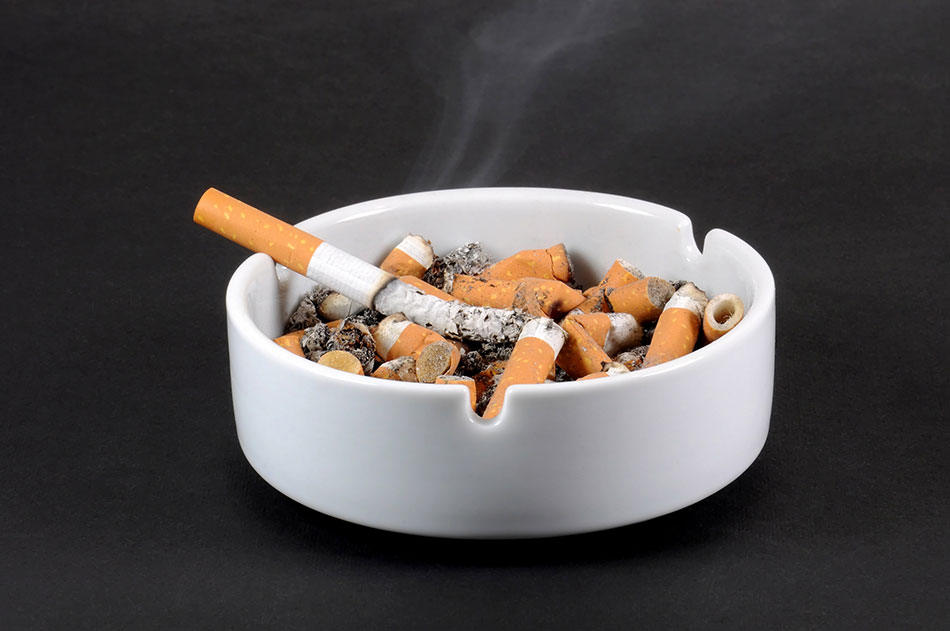
Red, irritated eyes are a common reaction after smoking cigarettes or cigars, spending time around secondhand smoke, or vaping. For contact lens wearers, the discomfort can feel stronger and last longer, especially when dryness is already part of the picture.
The reaction usually starts with surface irritation. Smoke and vapor can upset the tear film, leave the eyes feeling dry or watery, and make small blood vessels more visible. That is one reason redness can show up quickly and remain noticeable even after the exposure ends.
Smoking and vaping can be even harder on the eyes when contact lenses are part of the equation. Understanding exactly what triggers that redness, how nicotine plays a role, and how smoking affects vision over time can help contact lens wearers make smarter decisions every day.
Why Do Your Eyes Get Red When You Smoke or Vape?
The eyes get red from smoking or vaping because of irritation and tear-film disruption. The tear film is a thin protective layer that keeps the eye surface smooth, moist, and comfortable. When smoke or vapor interferes with that layer, moisture evaporates more quickly, and the eye becomes dry, inflamed, and bloodshot.
That helps explain why red eyes from smoking and bloodshot eyes from smoking occur with so many people. According to the American Academy of Ophthalmology (AAO), smoking is linked to dry eye and other eye problems, and smoking combined with vaping can worsen eye-related issues.
Cigarette smoke, cigar smoke, and vaping vapor can all irritate the eye surface. The specific trigger may vary, but the result is often the same: more dryness, more discomfort, and redder-looking eyes that take time to settle down.
Does Nicotine Make Your Eyes Red?
Nicotine is a major part of the conversation around red eyes, especially now that vaping has made nicotine exposure more common beyond traditional smoking. Nicotine may contribute to the overall reaction, but direct irritation from smoke or vapor is usually the more immediate cause.
Nicotine acts as a stimulant on the central nervous system. It constricts blood vessels throughout the body, which raises blood pressure. In response, the heart compensates by pushing more blood outward. That surge dilates the small blood vessels in the eyes, making them visibly engorged and red. This happens through the bloodstream, separately from the surface irritation caused by smoke itself.
So nicotine does play a role, but it is one part of a bigger picture. Surface irritation and tear-film disruption are usually the fastest explanation for redness after smoking or vaping, and nicotine adds a second layer on top of that.
Red Eyes From Smoking and Contact Lens Wearers
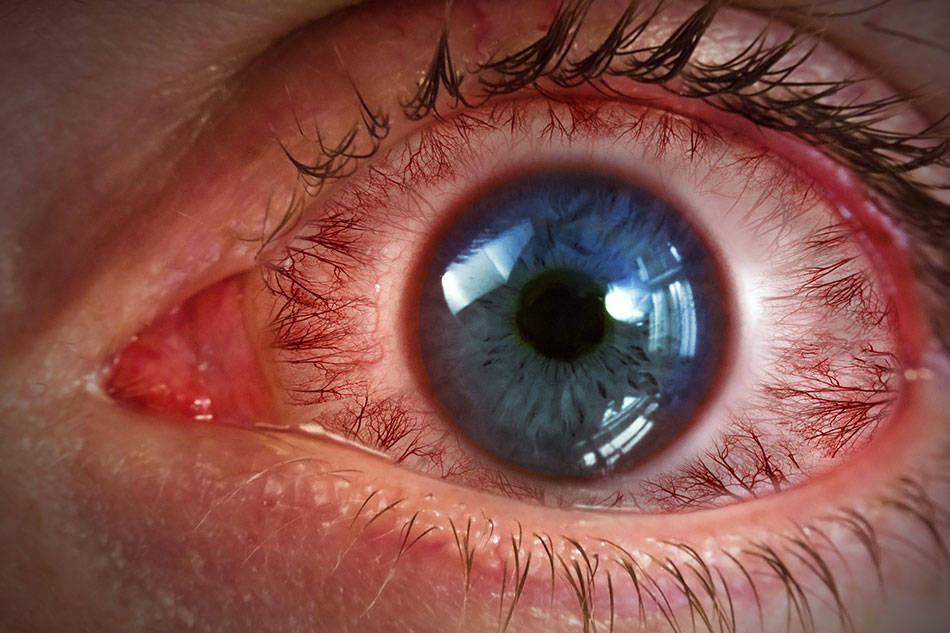
Contact lenses can make smoke- or vapor-related irritation feel significantly worse because the lens sits directly on the eye's surface. If the tear film is already unstable, lenses make dryness and friction more noticeable throughout the day.
This matters for contact lens wearers because even mild irritation can become more severe when lenses are in place. Smoke and vapor exposure may trap irritating particles between the lens and the cornea, where natural tears cannot flush them away easily. Instead of redness fading within a few minutes, the discomfort builds over the course of the day, lenses feel dry and less comfortable due to feeling the edges of the contacts on the eyes.
Contact lens wearers who smoke or spend time around secondhand smoke should pay close attention to how their eyes feel throughout the day. Persistent redness, unusual dryness, or a sensation that something is caught in the eye are all signals that smoke exposure is affecting lens comfort and eye health.
How Smoking Affects Your Eyes Beyond Temporary Redness
Redness is the most visible short-term sign, but it is only one part of the larger eye-health story. How smoking affects the eyes includes both daily discomfort and long-term vision risks that are far more serious than temporary irritation.
Cataracts
The lens inside the eye is normally clear. Smoking causes oxidative damage to the proteins that keep the lens transparent, causing them to cloud and clump together. Research studies have identified that smokers are two to three times more likely to develop cataracts than non-smokers. As cataracts progress, vision becomes increasingly blurry, colors appear dull or yellowish, and sensitivity to glare increases. Surgery is the only effective treatment once cataracts become advanced.
Age-Related Macular Degeneration (AMD)
Age-Related Macular Degeneration (AMD) damages the macula, the small region at the back of the retina responsible for sharp central vision. Smokers are twice as likely to develop AMD compared to non-smokers, and AMD can develop up to 10 years earlier in people who smoke. There is no cure for AMD. Early detection through regular eye exams is the only reliable way to catch it before significant damage occurs.
Dry Eye Syndrome
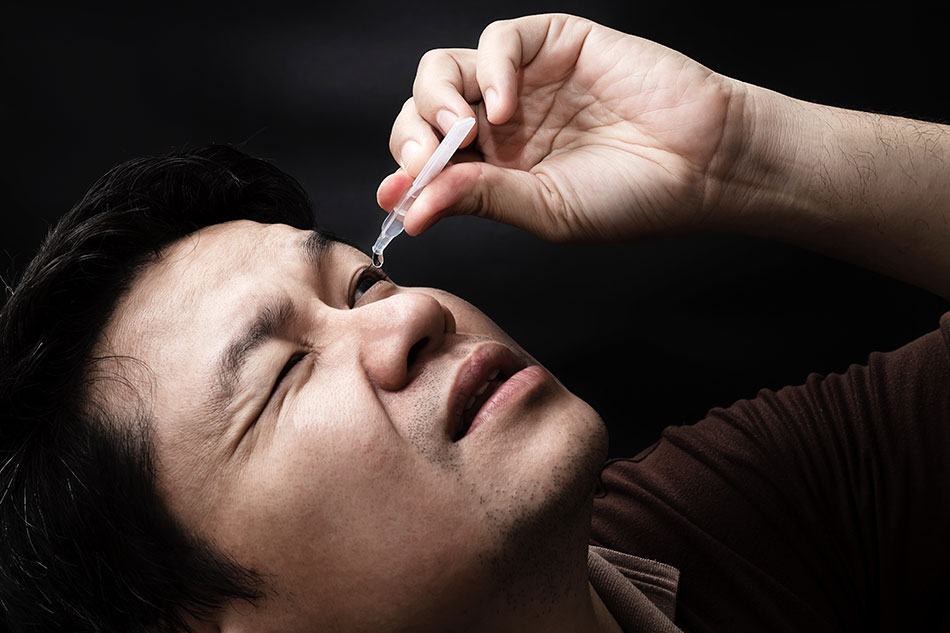
Smoking damages the outer oily layer of the tear film, reducing the eye's natural ability to stay lubricated. Chronic dry eye and contact lens discomfort can cause persistent burning, stinging, and sensitivity to light. For contact lens wearers, severe dry eye can make comfortable lens wear difficult or impossible.
Diabetic Retinopathy and Optic Nerve Damage
For people managing diabetes, smoking dramatically accelerates the vascular damage that drives diabetic retinopathy. Smoking also raises intraocular pressure and reduces blood flow to the optic nerve, both of which are risk factors for glaucoma, a condition that gradually and permanently destroys vision.
Bloodshot eyes may be the symptom that gets attention first, but repeated exposure carries consequences that build over years. Understanding how smoking affects the eyes in the long term is part of what makes protecting vision worth taking seriously.
Does Eyesight Improve After Quitting Smoking?
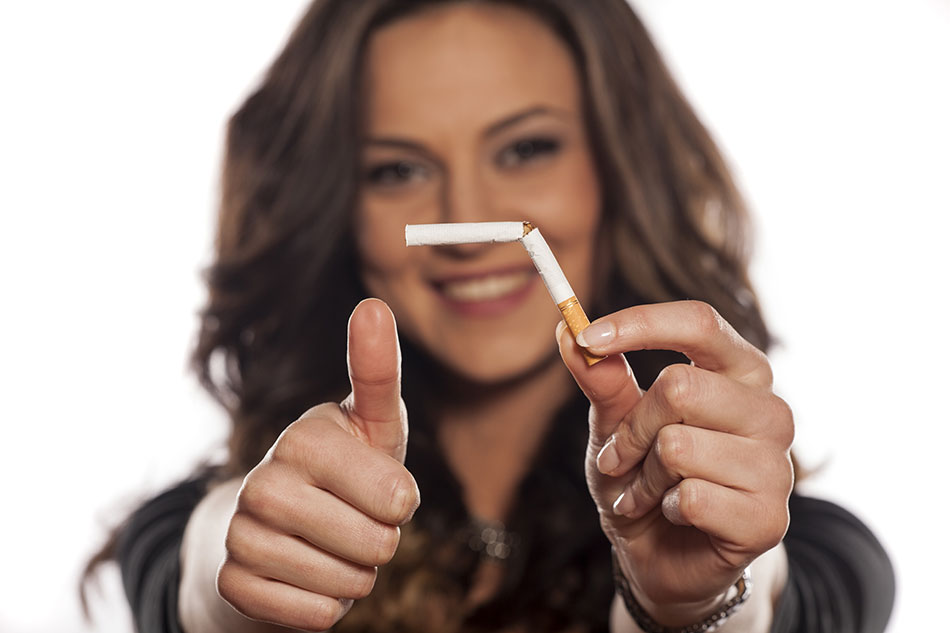
This is one of the most important questions in eye health for smokers, and the answer is yes, in meaningful ways.
Within weeks of quitting, the tear film begins to stabilize. Dry eye symptoms often improve noticeably as the lipid layer recovers. Contact lens wearers frequently find that lenses feel more comfortable and hold moisture better once smoking stops.
For longer-term risks, the benefits are also real. Quitting smoking reduces the rate of AMD progression. For those who have already developed early AMD, stopping smoking can slow its advancement. Cataract risk decreases after quitting, though the full benefit varies based on how long and how heavily a person smoked.
Quitting does not reverse damage that has already occurred, but it significantly slows the pace of further deterioration. For contact lens wearers, the improvement in daily comfort can be noticeable within the first few weeks. Every day without smoking reduces the cumulative risk to the eyes.
What Contact Lens Wearers Can Do After Red Eyes From Smoking or Vaping
If redness, burning, or unusual dryness begins after smoking or vaping, the first step is straightforward: lenses should come out as soon as it is safe to do so. Irritated, red eyes, worsening pain, light sensitivity, blurry vision, and unusual watering or discharge are all symptoms that call for lens removal and prompt contact with an eye care professional.
Beyond removal, a few consistent habits make a real difference:
- Use preservative-free rewetting drops. Contact-safe lubricating drops can help restore moisture after smoke exposure. Drops designed to "get the red out" constrict blood vessels temporarily but can worsen redness over time with regular use.
- Keep hands clean before handling lenses. Tobacco residue on the fingertips transfers directly to the lens surface. Even trace amounts of residues from nicotine products and the smoke can irritate the eyes while inserting and removing contact lenses.
- Shorten wearing time on high-exposure days. Switching to glasses for part of the day gives the eyes a chance to recover. Daily disposable lenses are especially helpful here, since a fresh lens each day eliminates any smoke residue that accumulates on lens material over time.
- See an eye doctor regularly. Annual comprehensive eye exams are the only reliable way to detect conditions like AMD and glaucoma in their early stages. Informing the eye care provider about smoking history changes the screening and risk profile significantly.
Small, consistent habits add up. Managing lens wear alongside smoke exposure thoughtfully protects both daily comfort and long-term eye health.
Protecting Vision Starts With the Right Habits and the Right Lenses
Bloodshot eyes from smoking are more than an inconvenience. They are a visible sign that the eyes are under stress. For contact lens wearers, that stress can increase when lenses hold irritation close to the eye's surface.
Using the right lenses, following strong hygiene habits, staying current on eye exams and reducing smoke exposure can all support clearer, more comfortable daily vision.
PerfectLensWorld supports contact lens wearers at every stage of their eye care routine. Whether the need is a more comfortable lens or dependable lens care supplies, our Contact Lens Collection and Eyewear Accessories offer cleaner, more comfortable wear.
Red Eyes, Bloodshot Eyes, and Smoking: Frequently Asked Questions Answered
Why Do Eyes Get Red When Smoking or Vaping?
Smoke and vapor can irritate the eye surface and disrupt the tear film, which leads to faster moisture evaporation and visible redness. Small blood vessels in the whites of the eyes dilate in response to the irritation, making them more visible and giving the eyes a bloodshot appearance.
Does Nicotine Make Eyes Red?
Nicotine may contribute to eye redness by constricting blood vessels and causing the body to pump more blood in response, which dilates blood vessels in the eye.
Direct surface irritation and tear-film disruption from smoke or vapor are usually the more immediate cause, but nicotine adds a secondary effect through the bloodstream.
Why Are Bloodshot Eyes From Smoking Worse for Contact Lens Wearers?
Contact lenses sit directly on the cornea, which can intensify irritation from smoke and vapor. Particles and chemicals trapped between the lens and the eye surface cannot be flushed away easily by natural tears, prolonging discomfort and making redness last longer compared to those not wearing lenses.
How Does Smoking Affect Vision Long-Term?
Smoking is linked to cataracts, age-related macular degeneration, dry eye syndrome, diabetic retinopathy, and optic nerve damage, all of which can lead to significant or permanent vision loss. Smokers face a substantially higher risk of developing these conditions than non-smokers, and secondhand smoke raises the risk for non-smokers as well.
Does Eyesight Improve After Quitting Smoking?
Quitting smoking allows the tear film to begin recovering, often reducing dry eye symptoms within weeks. The risk of AMD progression slows after quitting, cataract risk decreases over time, and blood flow to the optic nerve improves. Quitting does not reverse existing damage, but it significantly reduces the likelihood of further deterioration.
What Type of Contact Lenses Are Best for Smokers or People Frequently Around Smoke?
Daily disposable lenses are generally the most practical choice. A fresh lens each day prevents the buildup of smoke particles and chemical deposits on lens material. Silicone hydrogel lenses with high oxygen permeability are also beneficial, as they support corneal health under the added environmental stress that smoke exposure creates.
Can Secondhand Smoke Cause the Same Eye Problems As Smoking Directly?
Regular secondhand smoke exposure carries many of the same risks as direct smoking. It can cause dry eye irritation, redness, and elevated long-term risk for conditions such as age-related macular degeneration. People who live or work in environments with frequent smoke exposure face real eye health risks even if they do not smoke themselves.

