


What Is Blue Light and How Does It Affect Our Eyes?
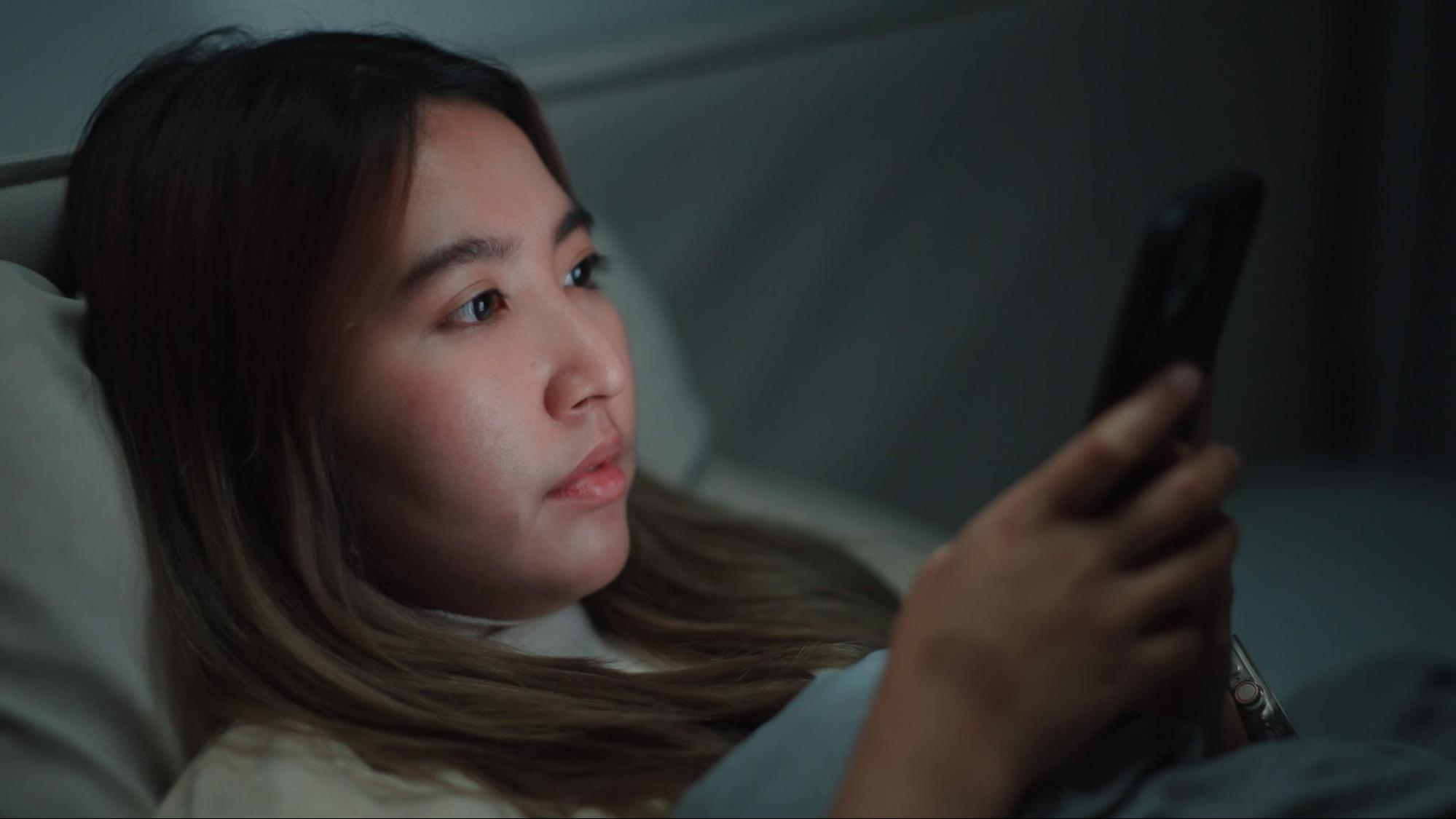
If you have ever finished a long day at a screen with burning, dry, or slow-to-focus eyes, you have already felt one effect of blue light. Most people have heard it is harmful, seen ads for blue light glasses, and left unsure what to believe.
This article explains what blue light is, where it comes from, what current evidence says about its effects on your eyes and sleep, and what you can actually do about it.
What Is Blue Light?
Blue light is the highest-energy band of visible light, sitting between 380 and 500 nanometers (nm) on the electromagnetic spectrum. It has a shorter wavelength than other visible colors, which means it carries more energy. It is a natural part of sunlight and is also emitted by the LED screens on phones, computers, tablets, and televisions.
Visible light is the narrow part of the electromagnetic spectrum that human eyes can detect. Think of it as the colors of the rainbow, from violet on one end to red on the other. Blue light sits near the violet end. Wavelengths in that range are shorter and more energetic than yellow, orange, or red light.
Blue light splits into two sub-ranges that behave differently in the body:
- Blue-violet light (380 to 450 nm): The highest-energy portion, also called high-energy visible (HEV) light. This is the range most studied for potential effects on retinal cells.
- Blue-turquoise light (450 to 500 nm): Lower energy. This range strongly influences the body’s sleep-wake cycle by suppressing melatonin production.
Where Does Blue Light Actually Come From?
The sun is the largest source of blue light, by a wide margin. Even on a cloudy day or through a window, sunlight delivers far more blue light than any screen. Other sources include:
- LED bulbs and fluorescent lighting
- Smartphone, tablet, and laptop screens
- Flat screen televisions
- Computer monitors
Screens are a real source of blue light, but their output is significantly lower than sunlight. The concern about screens is not intensity. It is the combination of close viewing distance, hours of daily exposure, and the time of day when that exposure happens.
How Does Blue Light Reach the Retina?
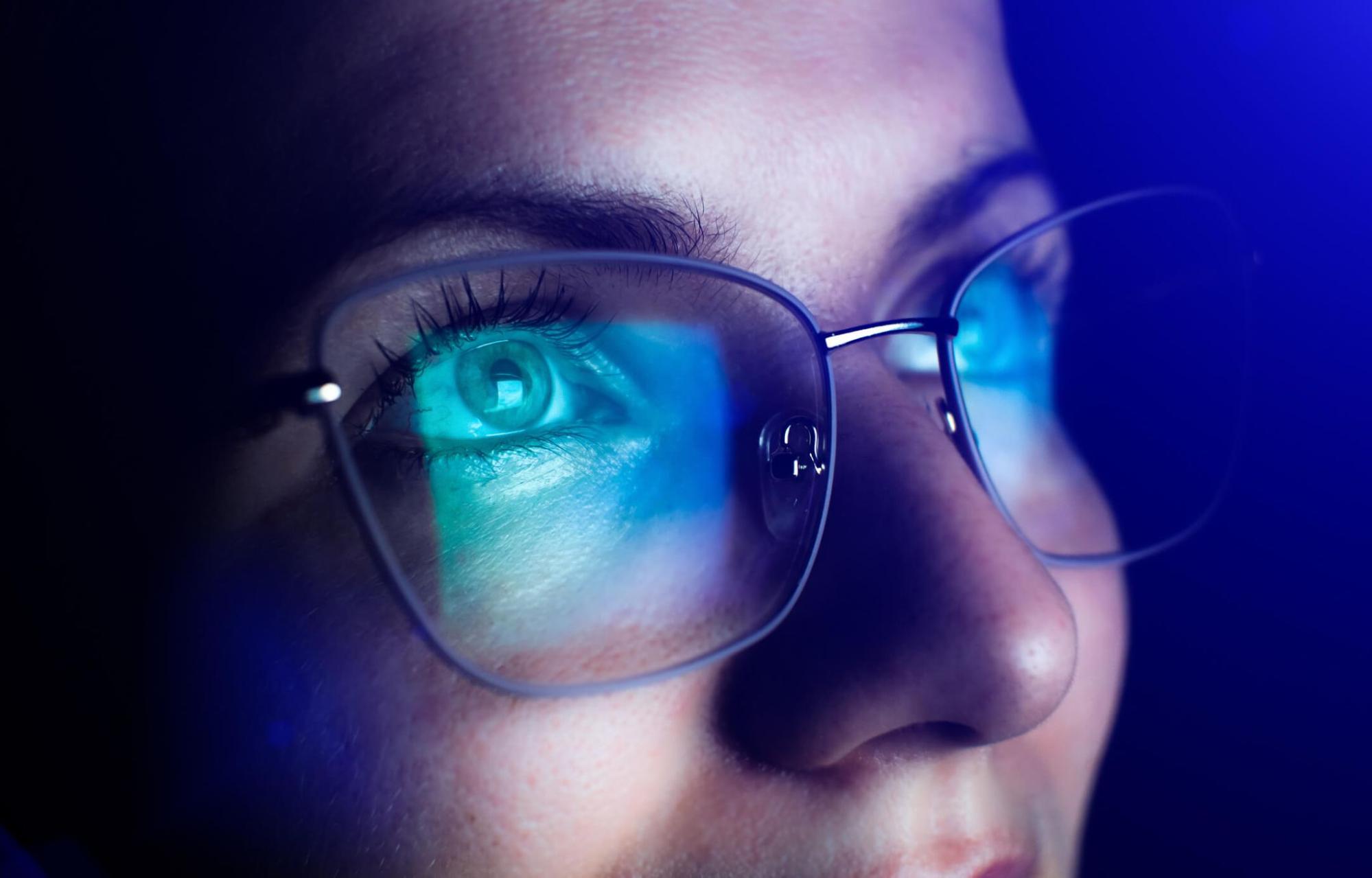
Unlike UV radiation, which is largely blocked by the cornea and lens, almost all visible blue light passes through to the retina at the back of the eye. The eye has no effective built-in filter for blue light, which is why researchers studying long-term eye health have focused on it.
Here is what happens when blue light enters the eye:
- Light enters through the cornea, the clear outer layer of the eye.
- The lens focuses it toward the back of the eye.
- UV radiation is mostly absorbed by the cornea and lens. Less than 1 percent reaches the retina.
- Blue light passes straight through. Virtually all of it reaches the retina directly.
The retina contains photoreceptor cells (rods and cones) that convert light into signals for the brain. Behind the photoreceptors sits the retinal pigment epithelium (RPE), a layer of cells that supports photoreceptor health. A 2023 narrative review published in Ophthalmology and Therapy found that in laboratory conditions, high-intensity blue-violet light causes oxidative stress in RPE cells, which can damage photoreceptors over time.
The Eye’s Natural Defenses
Adults do have some natural protection. The lens gradually filters small amounts of blue-violet light as part of normal aging. The macula also contains pigments called lutein and zeaxanthin that absorb some HEV light. Foods rich in these nutrients, including leafy greens and eggs, help support this natural protection.
Children have less of this natural filtering. This is one reason pediatric eye health groups encourage limiting screen time in younger age groups.
Does Blue Light From Screens Actually Damage Your Eyes?
Current evidence does not confirm that blue light from everyday screen use causes permanent eye damage. Health studies have shown retinal harm from light intensities far higher than those produced by any phone or monitor. That said, the long-term effects of cumulative screen exposure have not been fully studied.
This is one of the most misrepresented topics in consumer health. Two distinct problems shape the conversation:
- Some sources overstate the danger to sell blue light glasses.
- Some sources dismiss all risk entirely, which goes further than the evidence supports.
The AMD Question
Age-related macular degeneration (AMD) is a condition where the macula, the central part of the retina, deteriorates over time. It is the leading cause of vision loss in adults over 50. Some lab studies have suggested a possible connection between long-term blue-violet light exposure and AMD risk. Those studies used light intensities well above what a screen produces. Population-based studies have returned inconsistent results.
AMD risk from screens is not proven. It is also not fully ruled out. The most reasonable approach is to take low-cost precautions while research continues.
Blue Light and Digital Eye Strain
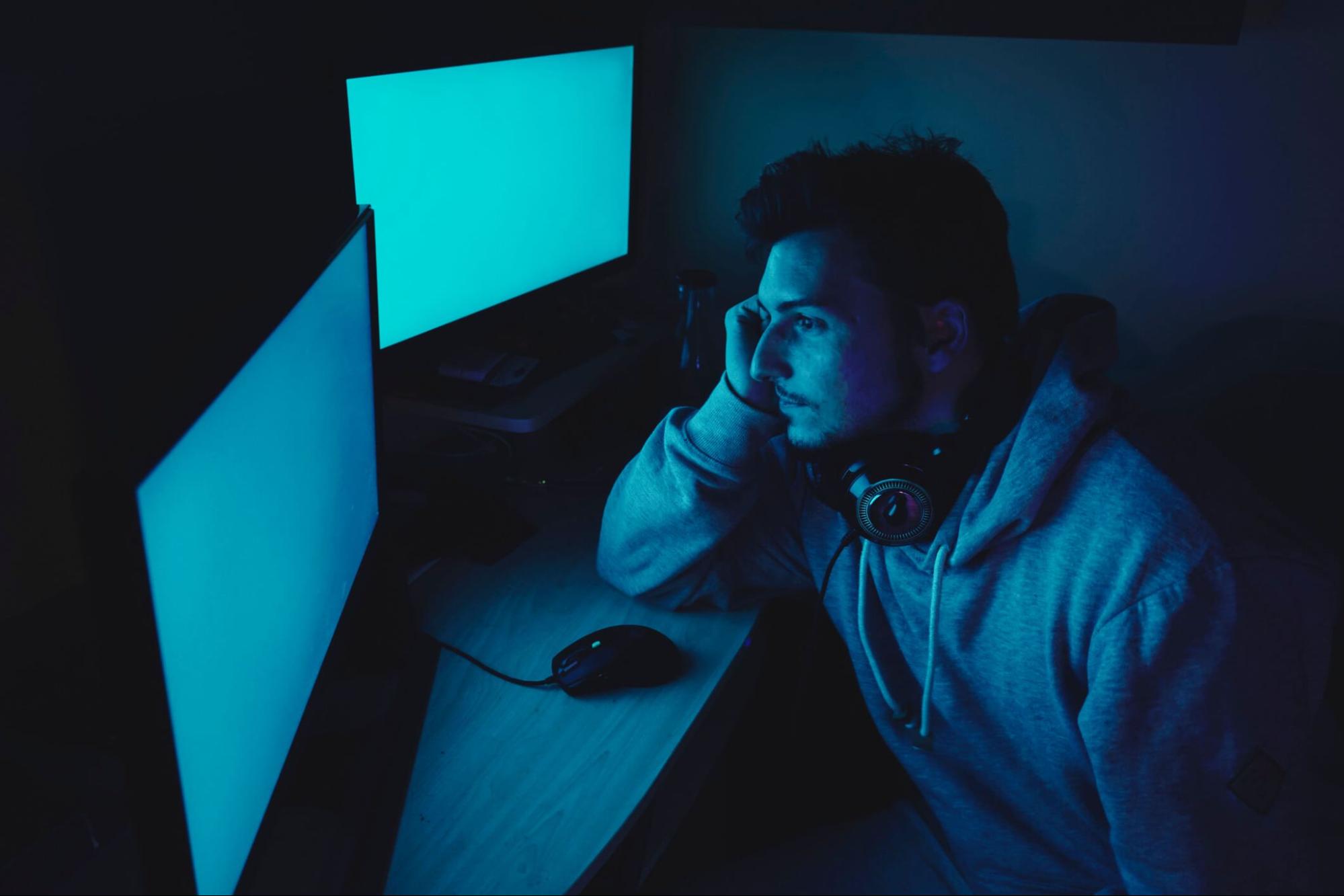
Digital eye strain, also called computer vision syndrome, is the most immediate and consistently observed effect of extended screen exposure. It affects roughly 69 percent of screen users globally, according to a 2023 meta-analysis. Symptoms include dry eyes, blurred vision, headaches, and eye fatigue. The cause is mostly behavioral, not blue light wavelengths specifically.
US adults average over 7 hours of screen time per day. For Gen Z, that figure reaches around 9 hours. Eye discomfort has become one of the most common complaints eye care professionals see.
Symptoms of digital eye strain include:
- Dry, irritated, or burning eyes
- Blurred or double vision
- Difficulty re-focusing between near and far objects
- Headaches, especially behind the eyes
- Neck and shoulder tension
The American Optometric Association (AOA) defines computer vision syndrome as a cluster of vision and eye problems linked to extended digital device use.
Why Contact Lens Wearers Feel It More
Contact lens wearers face a specific compounding problem. When you stare at a screen, your blink rate drops by up to 50 percent, from roughly 15 blinks per minute to as few as 7. Blinking is what spreads the tear film across the eye and keeps contact lenses hydrated and comfortable.
Research published in the AAO’s EyeWiki database notes that contact lens users who spend more than 6 hours per day at a screen show higher rates of CVS symptoms than non-lens users. If your eyes feel tired, dry, or gritty by mid-afternoon, the combination of contact lenses and extended screen use is likely playing a role.
Is Blue Light the Actual Cause of Eye Strain?
The AAO and multiple clinical researchers now believe digital eye strain is caused primarily by how people use screens, not by blue light wavelengths. Reduced blink rate, fixed focal distance, screen glare, and poor posture each contribute more directly than light color.
A 2023 Cochrane Review covering 17 randomized controlled trials found that blue light filtering lenses probably make little to no difference in reducing digital eye strain compared to standard lenses.
Blue Light and Sleep Disruption
The most consistently supported effect of blue light is its ability to suppress melatonin and disrupt the body’s natural sleep cycle. Exposure to blue light at night signals the brain to stay alert at the exact time it should be winding down. This is not contested.
The body uses light as a signal for its circadian rhythm, the internal 24-hour clock that regulates sleep and wakefulness. During the day, blue light from sunlight is useful. It boosts alertness and supports healthy sleep-wake timing.
At night, the same wavelengths create a problem. Specialized cells in the retina called photosensitive retinal ganglion cells detect blue-turquoise light (450 to 500 nm) and send signals to the brain’s master clock to suppress melatonin production.
Harvard Medical School researchers found that 6.5 hours of blue light exposure suppressed melatonin for about twice as long as green light and shifted the body’s circadian rhythm by three hours, compared to 1.5 hours for green light. Harvard Health Publishing covers this research in detail.
Steps to Protect Your Sleep
These steps cost nothing and address the strongest documented risk from blue light:
- Stop using screens at least one to two hours before bed.
- Turn on night mode or night shift on your phone, tablet, or computer. This shifts screen colors toward warmer tones, reducing blue-turquoise output.
- Dim screen brightness in the evening.
- Use free software like f.lux on computers to automate color temperature changes based on the time of day.
Do Blue Light Glasses Actually Work?

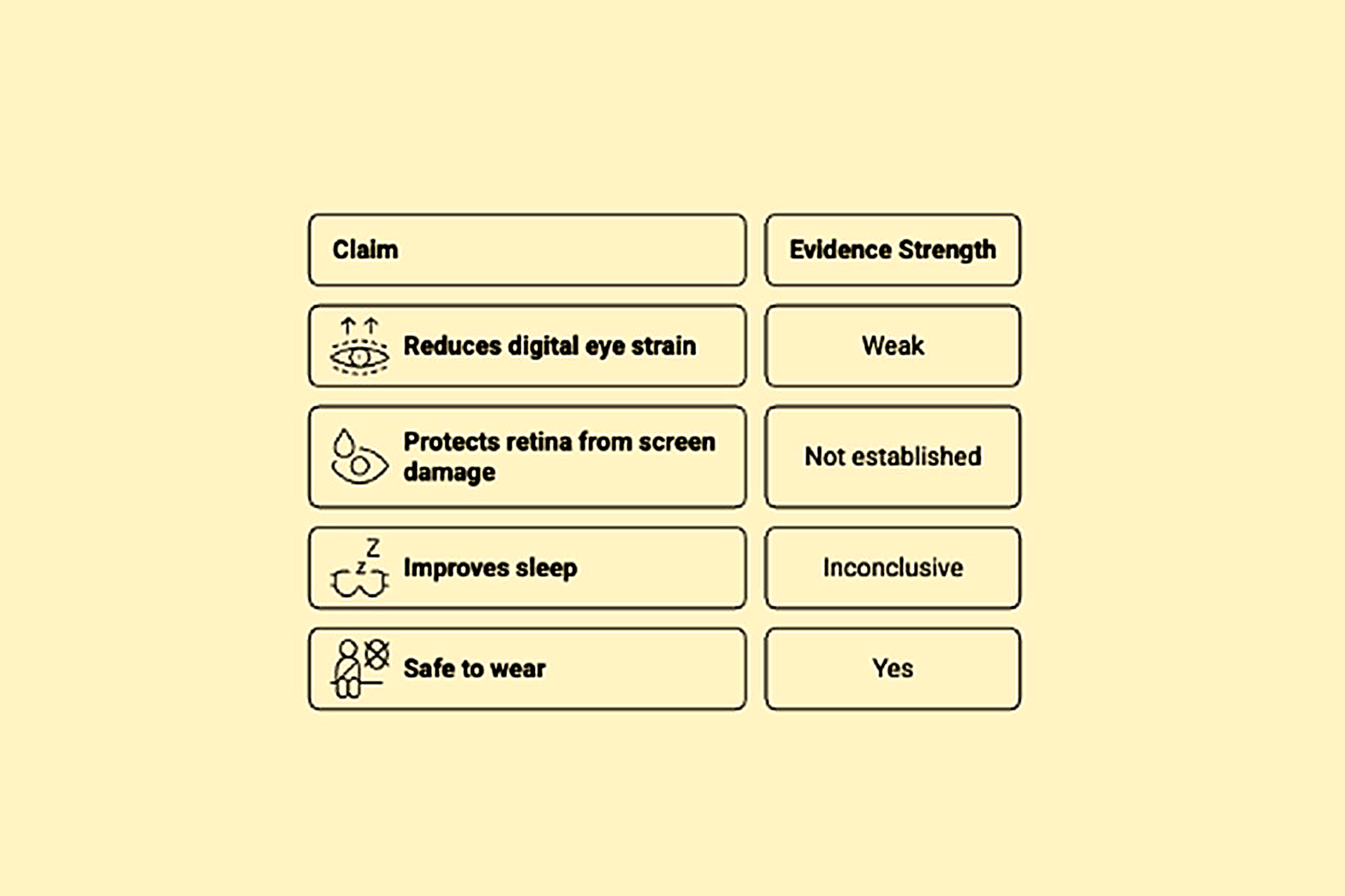
The current evidence for blue light-blocking glasses is weak. The AAO does not recommend them. A 2023 Cochrane Review of 17 randomized trials found they probably do not reduce digital eye strain or meaningfully improve sleep quality for most people. They are not harmful, but they do not reliably deliver what most ads claim.
Ads for blue light glasses claim they reduce eye strain, protect the retina, and improve sleep. The evidence does not consistently support any of those claims.
The Cochrane Review found:
- Blue light filtering lenses may not reduce short-term symptoms of eye strain from computer work.
- There was no clinically meaningful difference in visual acuity between blue light lenses and standard lenses.
- Effects on sleep quality were inconclusive.
What Actually Reduces Eye Strain
The most effective strategies require no special lenses:
- Follow the 20-20-20 rule. Every 20 minutes, look at something at least 20 feet away for 20 seconds.
- Sit about 25 inches (arm’s length) from your screen.
- Position the screen slightly below eye level.
- Use artificial tears when your eyes feel dry. This is especially relevant for contact lens wearers.
- Adjust screen brightness to match your room lighting.
- Take a full break from screens every hour.
If you wear contact lenses and experience consistent dryness during screen use, discussing lens material, replacement schedule, and rewetting drops with your eye care professional will likely make a bigger difference than any add-on product.
Simple Habits That Make a Real Difference for Screen Users
Long hours at a screen strain your eyes regardless of whether blue light is the specific cause. A few consistent habits reduce discomfort without requiring any purchases.
Daily Screen Habits
- Apply the 20-20-20 rule every working hour
- Blink deliberately. Many people blink less fully when focused on a screen
- Keep screens at arm’s length and slightly below eye level
- Match screen brightness to the ambient light in your room
- Switch to night mode settings from late afternoon onward
For Contact Lens Wearers Specifically
- Use preservative-free artificial tears before and during long screen sessions
- Remove your lenses at the end of the day to give your eyes unobstructed rest
- Keep your prescription current. An outdated prescription forces your eyes to work harder and increases fatigue faster
- Ask your optometrist about lenses designed for extended digital device use
If you wear contacts for long screen days and want options built for all-day moisture, PerfectLensWorld carries daily and monthly lenses from Acuvue, Dailies, and Bausch & Lomb that are designed to stay comfortable through extended wear.
When to See an Eye Care Professional
Book an eye exam if you notice any of the following:
- Persistent blurred vision that does not improve with rest
- Increasing difficulty switching focus between near and far objects
- Consistent headaches during or after screen use
- Sudden changes in vision quality
These symptoms can indicate refractive changes, dry eye disease, or early signs of other conditions that a professional can identify and treat early.
Blue light is not something most people need to fear, but it is something worth understanding. Current evidence does not show that everyday screen use permanently damages your eyes, though it can contribute to digital eye strain and may interfere with sleep when exposure happens late in the day. The most effective response is simple: take regular screen breaks, reduce nighttime exposure, and pay attention to persistent symptoms.
If your eyes often feel dry, tired, or slow to refocus, updating your daily habits and wearing contact lenses that support long-lasting comfort can make a meaningful difference. Explore PerfectLensWorld’s selection of daily and monthly contact lenses to find options designed for all-day wear.
Frequently Asked Questions
Is Blue Light From Screens the Same As Blue Light From the Sun?
Technically yes. Blue light from LEDs and screens occupies the same wavelength range as blue light from sunlight. The key difference is intensity. Sunlight delivers far more blue light than any screen. Screen exposure is lower in intensity but happens at close range and often at night, which is when the sleep-related effects matter most.
Should I Be Worried About Blue Light Damaging My Eyes Permanently?
Based on current evidence, everyday screen use has not been shown to cause permanent eye damage. Lab studies that found retinal damage used light intensities far above what phones or monitors produce. Long-term data on cumulative lifetime screen exposure is still being gathered. Taking low-cost precautions like the 20-20-20 rule and night mode is sensible and grounded in what we currently know.
Can Children’s Eyes Handle Blue Light the Same Way Adults Can?
No. Children’s eyes filter less blue-violet light than adult eyes. Their lenses are more transparent to HEV wavelengths, meaning more reaches the retina. This is one reason pediatric health groups recommend limiting screen time for children and prioritizing UV and blue light protection during outdoor activities.
Do I Need Blue Light Glasses if I Wear Contact Lenses?
Current evidence does not support blue light glasses for contact lens wearers or anyone else. The AAO does not recommend them. If screen use is causing dryness or fatigue while wearing contacts, the 20-20-20 rule, artificial tears, and a current prescription are more effective first steps. Browse our range of daily contact lenses if you are looking for options built for all-day comfort.
What Is the 20-20-20 Rule?
The 20-20-20 rule is a guideline recommended by both the AAO and the AOA to reduce eye strain. Every 20 minutes of screen use, take a 20-second break and focus on something at least 20 feet away. This resets the focusing muscles in your eyes and encourages a more normal blink rate.

