


Protecting Kids Eyes With Affordable Sunglasses and Everyday Care Tips
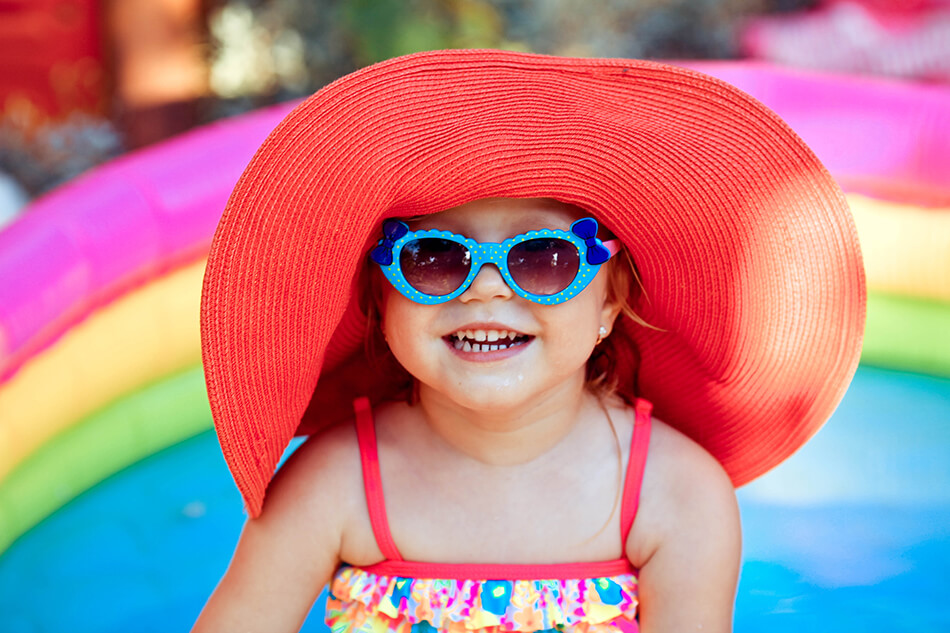
Taking care of our kids’ eyes is crucial, yet it often slips down the priority list for many parents. Kids’ eyes are especially sensitive to the sun's harmful UV rays, which makes it super important to get them the right sunglasses and to develop solid daily eye care habits.
This guide will look at how affordable sunglasses can be a key part of keeping their eyes safe. Plus, I’ll share some simple practices you can weave into your daily routine to help keep your children’s eyes healthy and bright.
Understanding Kids' Eye Sensitivity
Did you know that children’s eyes are not just smaller, but they’re also more vulnerable to UV damage than those of adults? This increased sensitivity means that if we don’t protect them, kids might face a higher risk of eye problems later on. Research shows that nearly 80% of UV exposure happens before kids even turn 18. This eye-opening statistic really drives home the need for proactive eye care during these formative years.
Here are a couple of things to keep in mind:
- Growth and Development: Since children’s eyes are still developing, they’re especially susceptible to harmful UV rays. Protecting their eyes now sets them up for better health down the line.
- Cumulative Exposure: The effects of UV exposure can build up over time, leading to potential vision problems in adulthood. Because of this, it’s important to prioritize eye protection from an early age.
Knowing these facts can encourage parents to take eye protection seriously and set up strategies that support lasting eye health.
Choosing Affordable Sunglasses with UV Protection
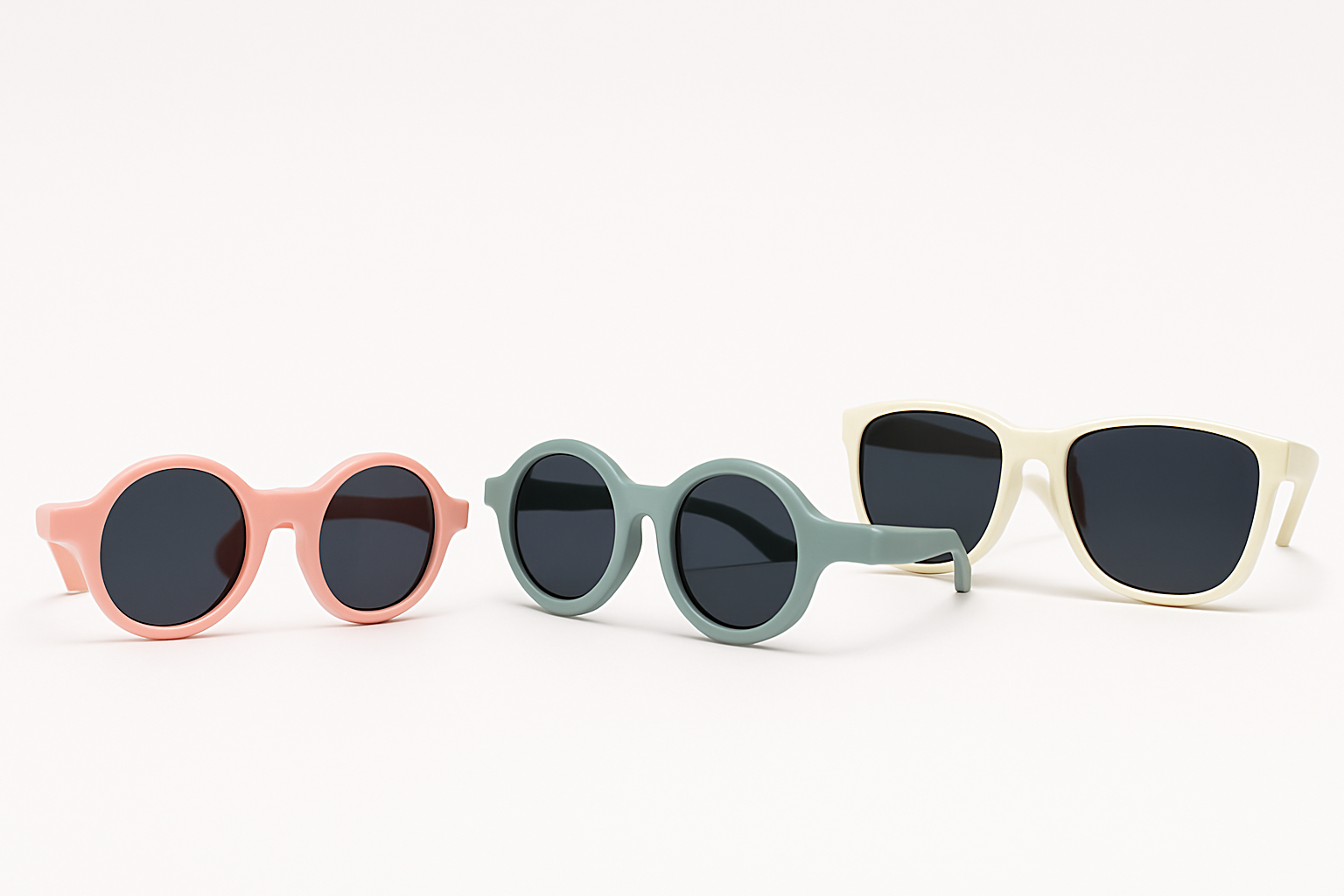
When picking out sunglasses for your little ones, focus on two key things: UV protection and how well they fit. Look for sunglasses with:
- Wrap-around Styles: These designs block sunlight from various angles and offer great coverage, especially during outdoor activities. Wrap-around styles are recommended for children.
- Proper Fit: Sunglasses should fit snugly without being uncomfortable, so they stay put while your child is playing and exploring. A good fit also prevents them from slipping and lets the fun go uninterrupted.
The great news is that there are plenty of affordable options that meet safety standards, available at many retailers—especially those that focus on children's eyewear. Brands like EssilorLuxottica offer stylish choices at reasonable prices, ensuring your kids get the UV protection they need without breaking the bank. You can feel good knowing they’re safe while looking cool!
To make sure you're making smart choices:
- Read Product Labels: Always check that the sunglasses provide 100% UV protection. Look for reliable certifications, too! Proper sunglasses can block harmful UV rays, protecting the eyes and surrounding skin.
- Seek Recommendations: Chat with your pediatrician or optometrist for trusted brand suggestions—professional insights can lead you to better options.
Daily Eye Care Habits for Kids
Incorporating daily eye care practices into your child’s routine is easier than you might think. Start by limiting their screen time to help reduce digital eye strain, which is becoming increasingly important nowadays. The American Academy of Pediatrics recommends using the 20-20-20 rule as a guide:
- Every 20 minutes of screen time, take a 20-second break to look at something 20 feet away. This quick practice helps relax those eye muscles and prevents fatigue.
Talking with your child about eye care can turn these practices into enjoyable habits rather than chores. Here are some practical ideas to keep it fun:
- Create a Family Routine: Set specific times for breaks and outdoor play. Turning family activities into break times reinforces the importance of eye protection in a natural way.
- Use Visual Aids: Show them colorful charts or fun videos about eye health. Interactive materials can make the topic engaging and memorable for kids.
When you make these discussions lively, your children will start to grasp the value of eye care, fostering positive habits that can stick with them for a lifetime.
The Importance of Regular Eye Exams
Routine eye exams are a big deal for catching and addressing vision problems early on. The American Optometric Association recommends having your child’s first comprehensive eye exam when they’re six months old, with more check-ups at three years and just before kindergarten. These visits not only help monitor vision changes but also play a significant role in overall eye health by spotting potential issues sooner.
Keep an eye out for signs that might indicate vision problems in your child, such as:
- Frequent squinting or tilting their head to see better
- Difficulty focusing on objects or reading
- Complaints of headaches, especially after screen time
Regular pediatric eye exams can catch issues before they turn into bigger problems, ensuring your child has the best possible vision as they grow. Making these appointments a part of your healthcare routine shows your strong commitment to their health and well-being.
Activities to Promote Eye Health in Children
Encouraging outdoor play is one of the best ways to support your child’s eye health. Activities like playing sports, flying kites, or exploring nature not only strengthen their eyesight but also give them the necessary exposure to natural light. To make it even more fun, consider DIY eye care games, like scavenger hunts focused on spotting different colors and shapes. These activities not only engage kids but also teach them about their surroundings while promoting healthy vision.
It’s also great to participate in community events that highlight eye safety. These activities offer a fun and interactive way to show kids how important eye protection is. Getting involved in group activities or projects centered around eye care can instill a lifelong appreciation for eye health in your kids, creating values around proactive well-being and environmental awareness.
Protecting Your Children’s Eyes Doesn’t Have to Be Complicated
Looking after your children's eyes doesn’t have to be expensive or overwhelming. By choosing affordable sunglasses and adopting simple daily habits, you can make a real difference in reducing the risk of vision problems. It’s never too early to focus on eye health—taking small but effective steps today can lead to a lifetime of clearer vision. Start implementing these practices now to help safeguard your child's eyesight for a bright future full of exploration and discovery.
FAQ
How often should children get their eyes checked?
Children need to have their eyes examined at least once every two years after their initial screenings. Regular check-ups help catch any vision issues early, ensuring any necessary interventions can be made promptly.
What are the long-term benefits of protecting children's eyes?
By taking steps to protect eyes now, parents can help prevent serious issues down the road, like cataracts and other vision impairments. This leads to a healthier quality of life as kids grow older.
What should parents watch for in children's eye health?
Keep an eye out for signs such as squinting, difficulty focusing, or frequent headaches. These could indicate that it's time for a professional evaluation, allowing for early diagnosis and treatment of potential issues.

