


How to Choose Between Glasses and Contacts
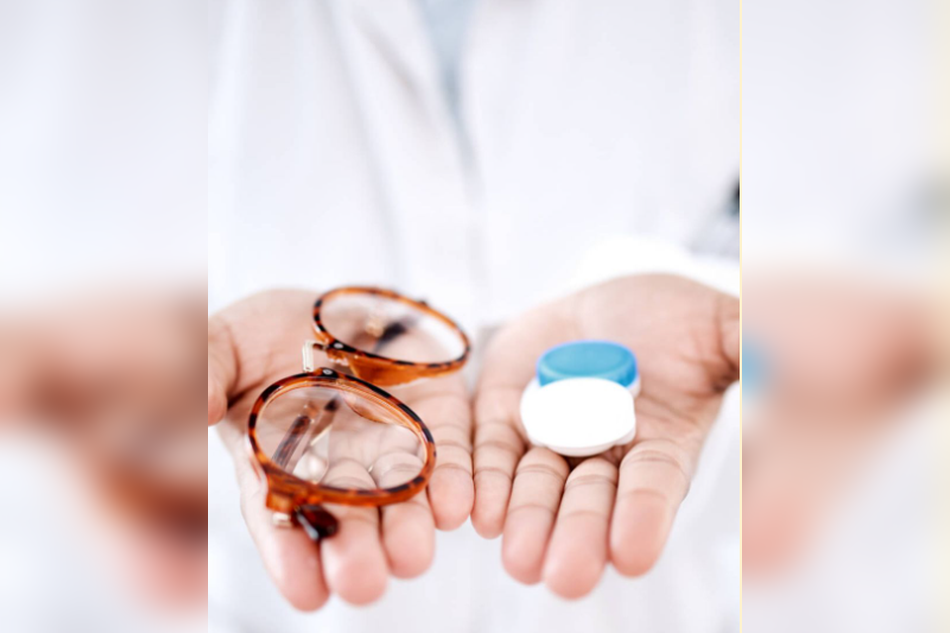
Selecting between glasses and contacts involves a careful look at several factors, especially daily activity levels and comfort preferences. Glasses offer ease of use and physical eye protection, but contact lenses provide a full field of vision and total freedom for active lifestyles. Many individuals find that a hybrid approach, using glasses for home and work with contacts for social or physical activities, offers the best balance of convenience and flexibility.
This guide breaks down the practical differences in maintenance and visual performance to help determine which option fits a specific lifestyle. Readers can gain a better understanding of why a prescription might change depending on the chosen correction method and how to transition between the two successfully.
Which Option Is Better for Daily Lifestyle Needs?
Contact lenses are the best choice for active individuals, athletes, and those who want natural peripheral vision without the obstruction of frames. Glasses are better suited for people who spend long hours in front of digital screens or those with sensitive eyes prone to dryness. For most users, the decision comes down to whether the simplicity of glasses or the mobility of contacts is preferred.
Daily environments dictate what is right for the job. Visual needs vary significantly between a desk-bound office setting and an outdoor, high-intensity environment. Think of it like picking the right tool from the shed. One wouldn't use a sledgehammer for a finishing nail, and one shouldn't expect a single pair of frames to handle every rugged hobby or quiet moment.
Matching Vision Correction to Hobbies
- Sports and Fitness: Contacts move with the eye and provide a steady image during movement. They allow the use of non-prescription sunglasses or safety goggles easily.
- Office and Screen Work: Glasses can be fitted with blue light filters, though current evidence suggests they may have a limited impact on reducing eye strain. Contacts can feel dry after hours of staring at a monitor without blinking.
- Travel and Convenience: Glasses win for simplicity. There is no need to pack solutions, cases, or backup pairs of lenses.
Common Pitfalls in Lifestyle Choices
Many new wearers choose contacts without having a backup pair of glasses. However, they are a necessary tool for giving the eyes a break at night or if a minor eye irritation develops.
While lifestyle preferences are a major factor, technical requirements are equally significant. These clinical details are why prescriptions vary so much between the two formats.
Why Is a Contact Lens Prescription Different From a Glasses Prescription?
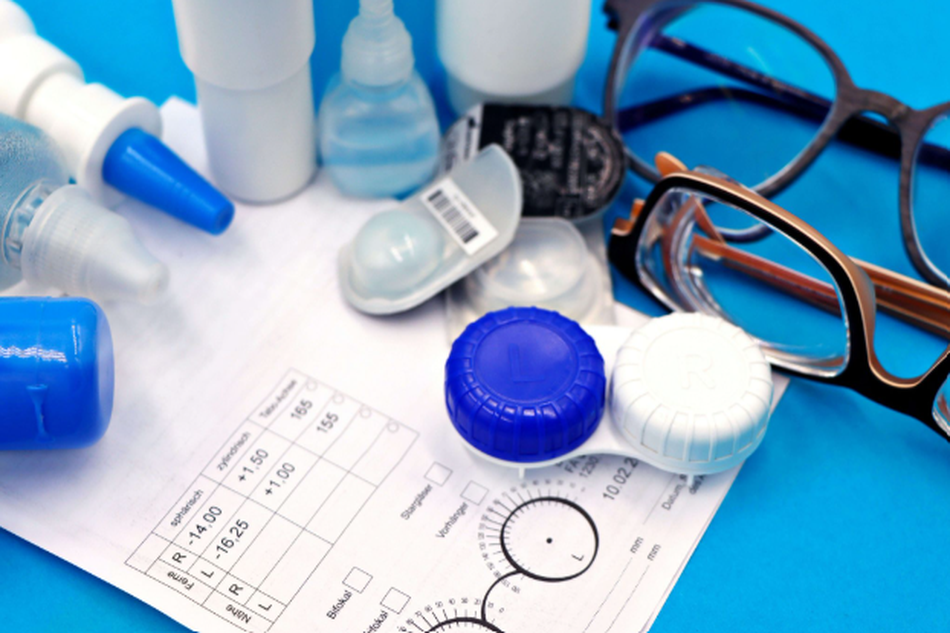
A contact lens prescription differs from a glasses prescription because of the vertex distance, which is the physical space between the lens and the eye. Glasses sit about 12 millimeters away from the face, and contacts rest directly on the cornea. This change in distance requires a different lens power so light focuses correctly on the retina.
The technical specifications of a prescription are tailored to where the lens sits in relation to the pupil. Contacts are medical devices that interact directly with the eye surface, so a standard glasses exam does not provide all the necessary data. Specialized measurements are needed to guarantee both visual clarity and ocular health. It is a bit like adjusting the focus on a telescope. Moving the lens even a fraction of an inch changes the whole picture.
Key Technical Differences
- The Power: Because they sit closer to the eye, contact lens power is usually slightly lower for nearsighted people than the power of glasses.
- Cylinder and Axis: For those with astigmatism, toric contact lenses are required. The measurements for these are specific and do not translate directly from glasses.
- The Fitting: A doctor must verify that the lens allows for tear exchange. This is the movement of fluid under the lens that keeps the eye healthy.
Steps to Transition From Glasses to Contacts
- Schedule a contact lens fitting. Inform the optometrist of the desire to try contacts so corneal mapping can be performed.
- Try different brands. Most doctors provide trial pairs to test for comfort over a week.
- Learn the insertion technique. Practice putting them in and taking them out at the clinic until confident.
- Get a written prescription. Once the fit is finalized, consumers have a legal right to the prescription to shop for brand-name lenses online.
With the technical basics covered and a fitting complete, the next step is integrating these options into a daily routine. Many people find success by exploring the flexibility of using both methods.
Deciding if the Hybrid Approach Fits Specific Needs
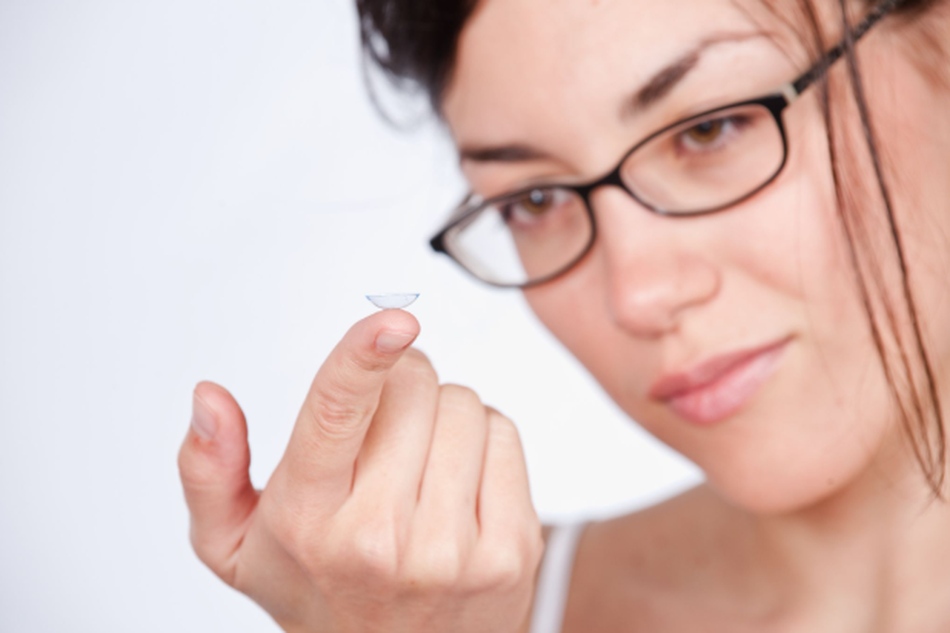
The hybrid approach involves wearing glasses for most daily tasks and using contact lenses for specific occasions like gym sessions or social events. This strategy keeps the eyes rested and provides visual freedom when needed most.
Choosing between glasses and contacts does not have to be an exclusive decision. Adopting a flexible schedule allows for the benefits of both worlds, catering to changing needs throughout the day. It is the best of both worlds, really.
Benefits of the Dual Strategy
- Health: Giving the eyes glasses days allows the cornea to receive maximum oxygen.
- Style: Glasses can be used as a fashion accessory during the workday while going lens-free for formal events.
- Flexibility: If contacts are only worn three days a week, a 90-day pack of lenses can last for several months
Balancing both correction methods helps minimize eye fatigue while maintaining clear vision. Even with a flexible plan, specific health concerns often arise when starting with lenses.
Finalizing the Best Choice for Vision Correction
Finalizing the choice between glasses and contacts is a personal journey that begins with a professional eye exam. Whether a person prefers the reliability of frames, the freedom of lenses, or the versatility of a hybrid schedule, the right fit depends on daily needs and eye health. Once a prescription is secured, choosing the best vision correction tool for any occasion becomes a reality.
Once you have a current prescription, exploring lens options becomes much easier. Browse our wide selection of daily and monthly contact lenses to find the pair that matches your routine. If a current prescription is sitting on the counter, the team at PerfectLensWorld is ready to help get those lenses delivered right to the front door.
Common Questions About Switching Vision Correction
Can Contacts Be Worn With Dry Eyes?
Yes, but standard lenses might need to be avoided. Daily disposables are often recommended because they reduce deposit buildup that can irritate dry eyes. High oxygen permeability materials, such as silicone hydrogel, help the eye breathe better.
Can Contacts Be Worn With Astigmatism?
Yes, toric lenses specifically designed to correct the irregular curvature of the eye can be worn. These lenses are weighted or shaped to stay in a specific orientation on the eye, so vision is clear even when blinking or moving the head.
How Long Does It Take to Get Used to Contacts?
Most new wearers adapt within a few days to two weeks. It is normal to feel a slight awareness of the lens initially. To ease the transition, the American Academy of Ophthalmology suggests wearing lenses for just a few hours initially and gradually increasing wear time daily.

