


How To Clean Contact Lenses Properly

Contact lenses can feel easy to manage until a rushed routine starts causing issues. A minor buildup can lead to blurred vision. A shortcut with the wrong solution leaves lenses feeling rough by midday. A lens case is ignored for too long, and suddenly, the whole routine works against comfort rather than supporting it.
That is why proper lens care matters. Clean lenses are not just about better vision for a few hours. They support comfort, reduce irritation, and make daily wear feel much less like a chore. For reusable lenses, the payoff comes from a routine that is simple, steady, and executed correctly from start to finish.
What Is the Proper Way to Clean Contact Lenses?
The best cleaning routine starts before the lens ever reaches the palm. Handwashing sets the tone for everything that follows, which is why hands should be washed with plain soap and dried with a clean, lint-free towel before handling the lenses. That step helps keep oils, residue, and stray fibers from transferring onto the lens surface and creating problems before the cleaning process even begins.
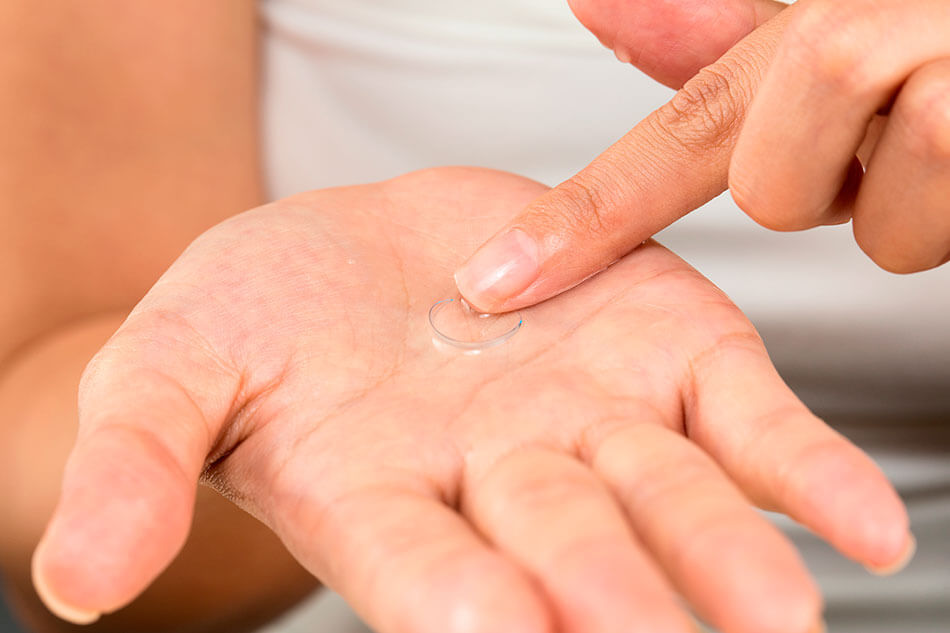
For most reusable soft lenses, the process itself is simple: rub, rinse, disinfect, and store. Each part of that sequence serves a purpose. The rub-and-rinse step helps break up the film, oils, protein deposits, and everyday debris that collect during wear. Even when lenses look clear at a glance, buildup can still be sitting on the surface and affecting comfort by the end of the day.
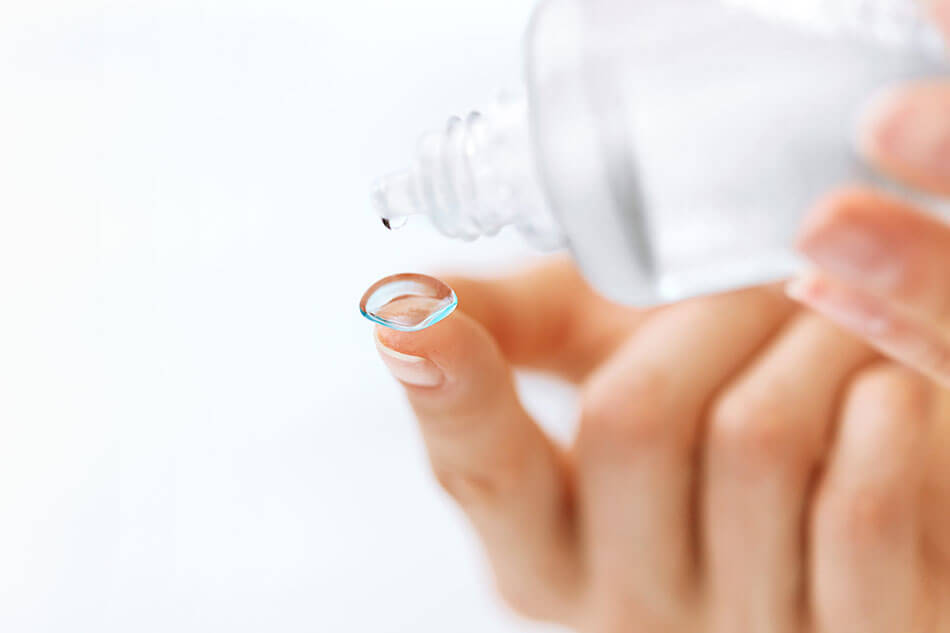
After rubbing, the lens should be rinsed with fresh solution and placed in a clean case filled with new solution. From there, the full soak time listed on the label matters. Cutting that step short can leave the lens less clean than expected and make the routine less effective overall.
What makes this process work is not complexity. It is consistency. A steady cleaning habit helps keep lenses in better condition, supports more comfortable wear, and reduces the chances of avoidable mistakes. Once that foundation is in place, the next step is choosing the solution that best fits the lens type and care routine.
What Contact Lens Cleaning Solution Should Be Used?
This is where many contact lens routines start to break down. A lot of labels say “cleaning solution,” but not every product serves the same purpose. Some formulas are made to clean and disinfect. Others are only meant to rinse or add moisture. Treating them as interchangeable can lead to a routine that looks fine on the surface but leaves lenses less clean and less comfortable over time.
For many people, a multi-purpose solution for contact lenses is the gold standard. It handles several jobs at once by cleaning, rinsing, disinfecting, and storing lenses in a single bottle. That kind of convenience makes it easier to stick with a routine day after day, which is one reason multi-purpose solutions remain a common choice when caring for soft lenses. A product that keeps the process simple is often easier to use consistently, and consistency is what keeps lens care on track.
At the same time, convenience should not be confused with flexibility. Saline solution is not the same as a disinfecting solution, and rewetting drops are not designed to replace a full cleaning routine. One product may help rinse a lens. Another may help with moisture during wear. Neither automatically covers cleaning and disinfection. That distinction matters because a lens can look clear and still carry buildup that affects comfort later in the day.
The right contact lens cleaning solution depends on the lens type, the care system, and how the product is meant to be used. A reusable lens needs a solution that supports the full care routine, not just part of it. Reaching for the wrong bottle can leave lenses less dependable, especially after long wear or repeated use over time.
With the right product in hand, the bigger picture becomes easier to manage. The routine feels simpler, the steps make more sense, and the next decision comes into focus: whether a standard multi-purpose solution is enough or whether other products can be used in its place to save time or a few dollars.
Is Hydrogen Peroxide Safe for Contact Lenses?
Scouring the internet, websites, blogs, and forums will often turn up alternative methods for cleaning lenses. When traditional cleaning solutions are not available, hydrogen peroxide can be a strong option, but only when used exactly as directed. It is not the same as multi-purpose solutions, and peroxide is not as forgiving when shortcuts enter the routine either.
This method uses a special case to neutralize peroxide over several hours, making the lenses safe to wear. That is why the answer to “Is hydrogen peroxide safe?” is yes, but with conditions. It works well for deep cleaning and removing proteins and preservatives on lenses.
The U.S. Food and Drug Administration (FDA) says hydrogen peroxide and multipurpose solutions both help remove trapped dirt, protein, and fatty deposits. Still, peroxide systems must be used with care and in accordance with product labeling, as non-neutralized solutions can cause burning and eye injury.
That makes peroxide systems useful, but not casual. For many wearers, though, the bigger day-to-day mistake is even simpler than choosing the wrong cleaner.
Can Contacts Go In Water?
No. Contacts should never be rinsed, soaked, or stored in water of any kind. That includes tap water, bottled water, distilled water, shower water, pool water, and hot tub water.
Water is often treated like a harmless backup plan, but it is not. It can expose lenses to organisms and minerals that do not belong on the eye's surface. It can also cause lenses to swell or change shape, leading to irritation, poor fit, and an increased risk of complications after insertion. If contact lens solution is unavailable, water is still the wrong choice and should not be used on the lenses or in the storage case.
How to Clean a Contact Case
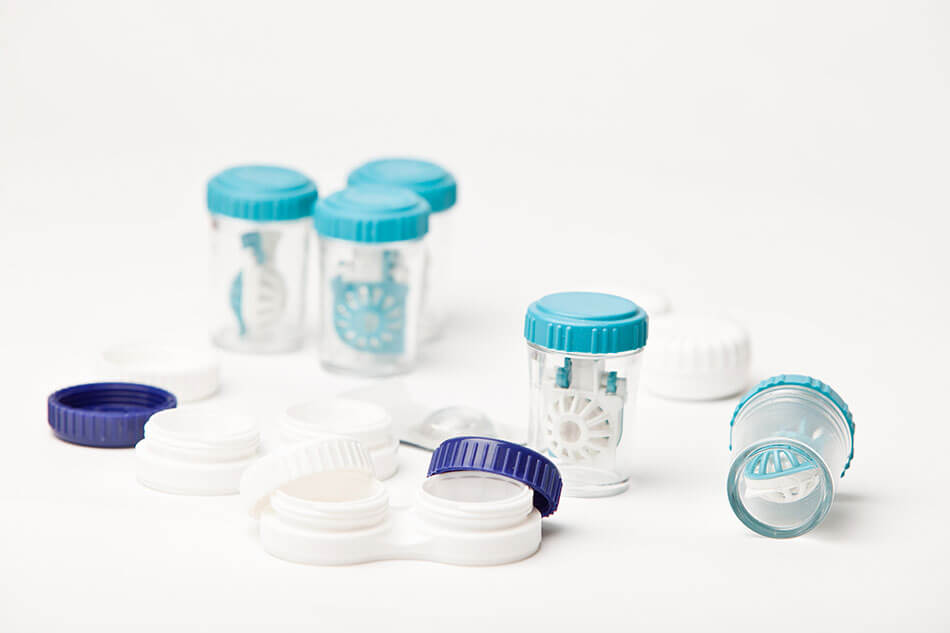
A dirty contact lens case can undo any routine. To properly clean a contact case, the old solution should be discarded every morning. The case should then be rinsed with fresh contact lens solution, not water, and dried with a clean tissue or left to air-dry upside down on a clean surface with the caps off. The case should also be replaced every three months, as older cases can accumulate residue, making it harder to keep lenses clean even during storage.
This may sound like a small step, but it is one of the easiest ways to keep lens care and eye health from slipping. A cleaner case supports cleaner lenses, and cleaner lenses promote better vision.
The upside is that most of these mistakes are easy to avoid. A consistent lens-cleaning plan does far more work than any quick fix.
The Routine That Leads to Better Lens Days
A good contact lens routine does not need to be complicated to make a difference. Small habits, repeated consistently, help protect lens quality, support clearer vision, and make everyday wear less frustrating. That kind of consistency can mean fewer avoidable issues and a smoother experience from morning to night.
For anyone ready to restock contact lenses, PerfectLensWorld offers a wide selection of daily, weekly, and monthly contact lenses and eyewear accessories all in one place. See more, spend less, see better!
FAQs About Cleaning Contact Lenses
What Is the Proper Way to Clean Contact Lenses?
Wash and dry your hands. Place the lens in the palm, rub it gently with fresh solution, rinse it, and store it in a clean case with fresh disinfecting solution for the full recommended soak time.
Does Hydrogen Peroxide Clean Contact Lenses?
Yes. Hydrogen peroxide systems clean and disinfect contact lenses, but they must be used with the proper neutralizing case and full soak time before the lenses are worn.
Can I Use Tap Water for Contacts?
No. Tap water should never be used to rinse, soak, or store contact lenses.
How Do You Remove Protein Buildup From Contacts?
A steady rub-and-rinse routine with the correct cleaning and disinfecting solution is usually the best starting point. For heavier buildup, some wearers may benefit from a hydrogen peroxide system or doctor-recommended care products.

