


How to Choose the Best UV Protection Sunglasses
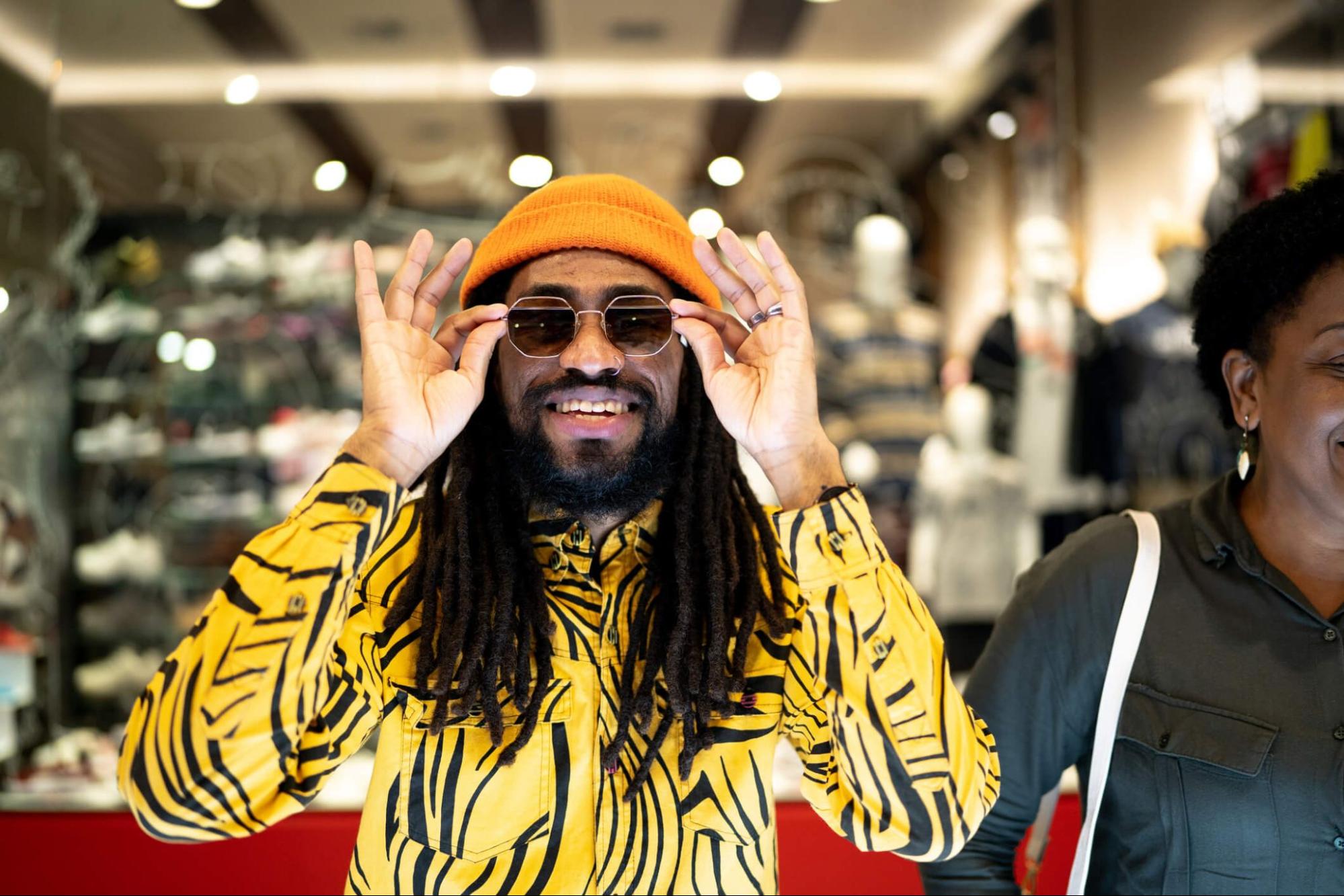
Choosing the best UV protection sunglasses involves more than picking a dark lens or a popular frame. A strong pair should block harmful ultraviolet rays, support long-term eye health, and feel practical enough for regular wear. That makes UV protection one of the first details worth checking, and not an afterthought.
The best buying decision starts with understanding what the product label actually means. Once the lens standard, frame coverage, and comfort factors are clear, it becomes much easier to compare options and narrow the field.
Why UV Protection Sunglasses Matter
UV protection sunglasses help limit the eye’s exposure to UVA and UVB rays. That exposure can add up over time during driving, sports, beach trips, and daily outdoor routines. Reflective surfaces such as water, pavement, sand, and snow can intensify that exposure by sending light back toward the eyes.
Sunglasses should do more than soften brightness. A dark lens without proper UV filtering can still leave the eyes exposed. In some cases, it can make matters worse by causing the pupils to widen and allowing more unfiltered radiation to reach the eye.
The American Academy of Ophthalmology recommends sunglasses labeled 100% UV protection or UV400 and notes that larger lenses or wraparound styles can provide broader coverage. That guidance confirms that protection comes from lens performance and frame coverage, not lens darkness alone.
What Level of UV Protection Should Sunglasses Have?
One of the most common buyer questions is what level of UV protection sunglasses should have. The strongest standard for everyday wear is 100% UVA and UVB protection, often listed as UV400.
UV400 means the lenses block ultraviolet light up to 400 nanometers. In practical terms, that covers the full UVA and UVB range that matters most in everyday sun exposure. For anyone comparing sunglasses with UV protection, this is the clearest benchmark to use.
UV Protection Levels and Strengths
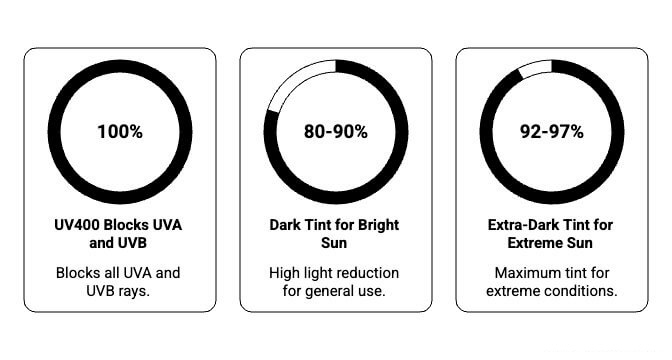
That standard also helps cut through vague marketing language. Phrases that sound protective but do not clearly state 100% UVA and UVB protection or UV400, do not offer the same level of clarity at the point of purchase.
Once the UV rating is confirmed, one would assume that frame style or lens tint comes next in order of importance. However, how well the sunglasses block harmful rays is more relevant.
100 UV Protection Sunglasses vs. Polarized Lenses
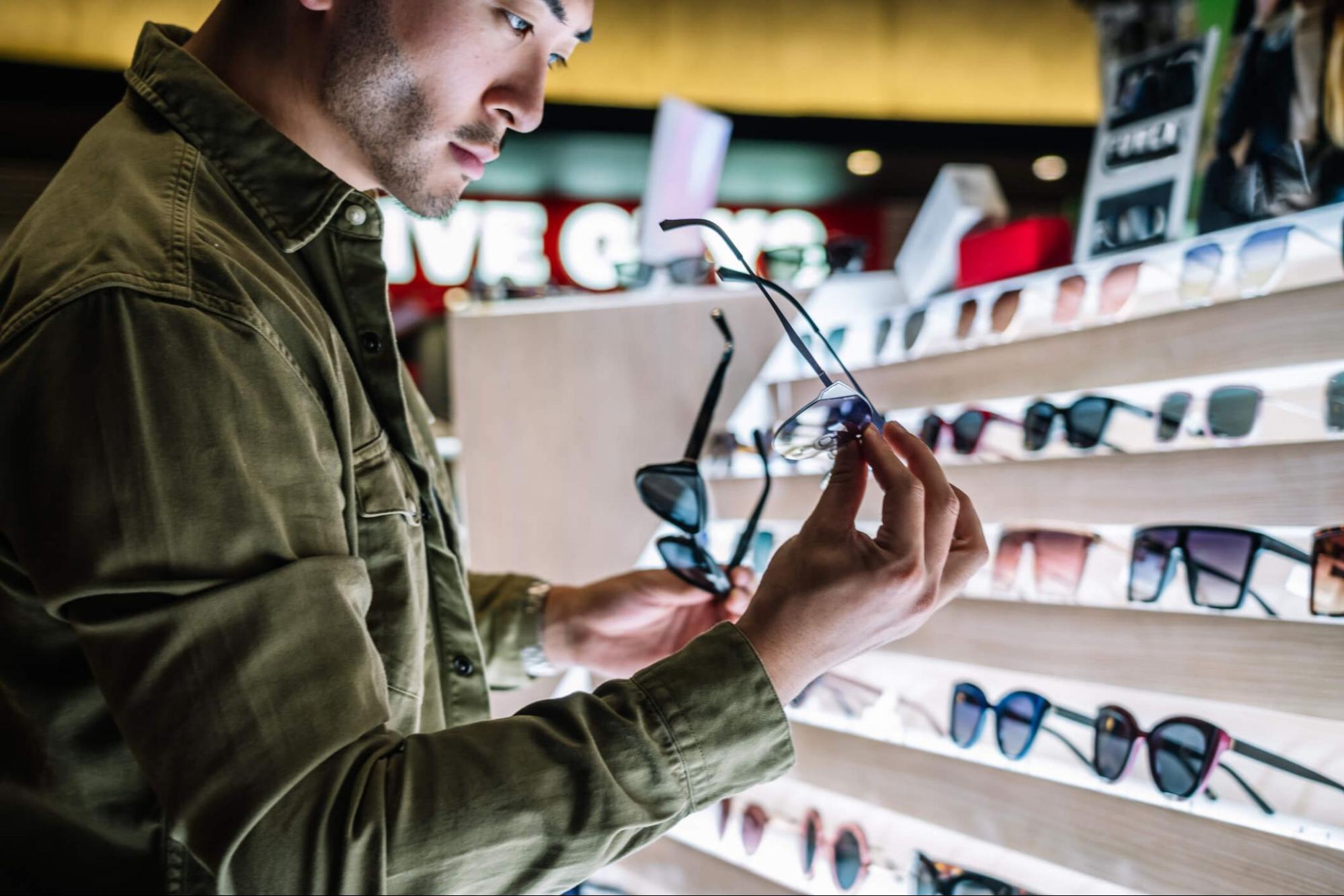
A frequent point of confusion is the difference between 100 UV protection sunglasses and polarized sunglasses. These are separate features, and mixing them up can lead to a weak buying decision.
UV protection refers to the lens’s ability to block harmful ultraviolet radiation. Polarization refers to glare reduction from reflective surfaces such as roads, water, and snow. One supports eye health. The other improves visual comfort and clarity in bright settings.
That means polarized lenses do not replace UV protection. A pair can be polarized without offering full UV blocking, and a pair can offer full UV protection without being polarized. Though, for most shoppers the stronger option is choosing a pair that offers both.
This distinction makes product comparison more practical. Full UV protection should come first, and polarization can then be added based on driving habits, outdoor activity, and glare-heavy environments.
How to Choose Sunglasses That Protect the Eyes
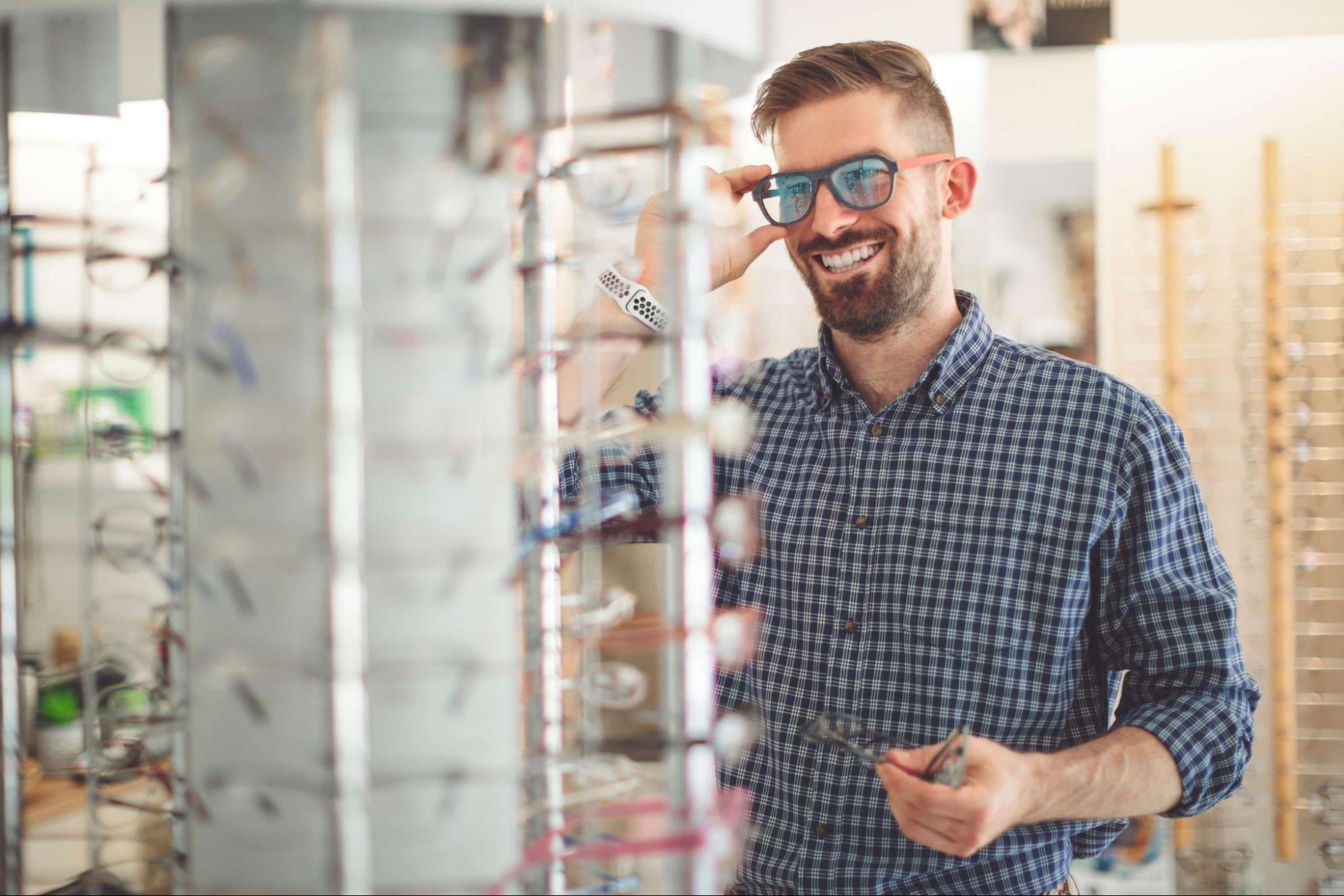
Choosing sunglasses that protect the eyes comes down to a few practical details that affect performance in everyday wear. Looking beyond style helps narrow the options to pairs that offer stronger coverage, clearer optics, and a more reliable fit.
- Label: The best UV protection sunglasses should clearly state 100% UVA and UVB protection or UV400.
- Frame Coverage: Larger lenses and wraparound shapes do more to block light from the front and sides than narrow fashion frames. This is one reason many sunglasses for eye protection use broader shapes that cover more of the eye area.
- Optical Quality: Poorly made lenses can create distortion, which may contribute to headaches, nausea, and visual discomfort. A simple in-store check can help: hold the sunglasses at arm’s length, look through the lenses at a straight line, and move the frame slowly. If the line bends or shimmers, the lens quality may be poor.
- Fit and Daily Usability: A frame that slips, pinches, or leaves wide gaps may not perform as well during regular wear. Once the right UV standard, coverage, lens quality, and fit are in place, the product decision becomes much more grounded.
Taken together, these factors help separate a fashionable pair from one that can hold up in bright, everyday conditions. Once coverage, lens quality, and fit are reviewed alongside the UV label, the buying decision becomes much easier.
Best Sunglasses for UV Protection by Use Case
The best sunglasses for UV protection can vary based on where and how they will be worn. A pair for everyday errands may not be the same as a pair used for driving, hiking, boating, or long hours near reflective surfaces.
- Daily Wear: A lightweight frame with sunglasses with UV protection and a comfortable fit is often the strongest starting point.
- Driving and Water-heavy Settings: Polarized lenses paired with full UV blocking can improve comfort by reducing glare.
- Outdoor Sports and Extended Sun Time: Wraparound frames or oversized lenses often provide stronger coverage.
When it comes to kids sunglasses, adults may need to place more weight on durability and lens coverage. In those cases, a practical frame with dependable UV protection may be the better choice over a cute fashion-first option.
Matching the sunglasses to actual use helps narrow the playing field. In most cases, the best sunglasses to protect eyes are the ones that fit well, block the right rays, and hold up in the settings where they will be worn most often.
Common Mistakes to Avoid When Buying UV Protection Sunglasses

Many shoppers make the same mistakes when buying UV protection sunglasses.
- Darker Lenses Offer Stronger Protection: Lens tint affects visible brightness, but it does not confirm that harmful ultraviolet rays are being blocked.
- Relying Too Heavily on Price: Expensive sunglasses are not automatically safer, and lower-priced pairs are not automatically weak. The product label and lens specs matter more than the price tag alone.
- Focusing Only on Glare Reduction: Polarized lenses can help reduce reflected light, but they do not automatically provide full UV protection. Another common issue is overlooking frame size and side coverage, which can limit real-world protection even if the lenses meet the right standard.
The CDC’s sun safety guidance advises choosing sunglasses that block both UVA and UVB rays and notes that wraparound styles can improve coverage. That guidance supports a simple buying filter: full UV protection, broad coverage, dependable fit, and lens features that match actual use.
Long-Term Eye Health Risks of Poor UV Protection
UV exposure is not only a short-term comfort issue. Over time, repeated sun exposure can contribute to eye problems such as cataracts and photokeratitis, and it may also play a role in broader long-term damage to the eyes. That’s why sunglasses should be treated as part of eye care rather than an optional accessory.
This is also where product quality matters most. A pair that looks good but does not block harmful rays does little to support long-term eye health. Consistent wear matters, but consistent wear only helps when the sunglasses meet the right protection standard.
That makes the decision more practical than cosmetic. A well-chosen pair supports comfort in the moment and offers stronger day-to-day protection over time.
Are the Best UV Protection Sunglasses Worth It?
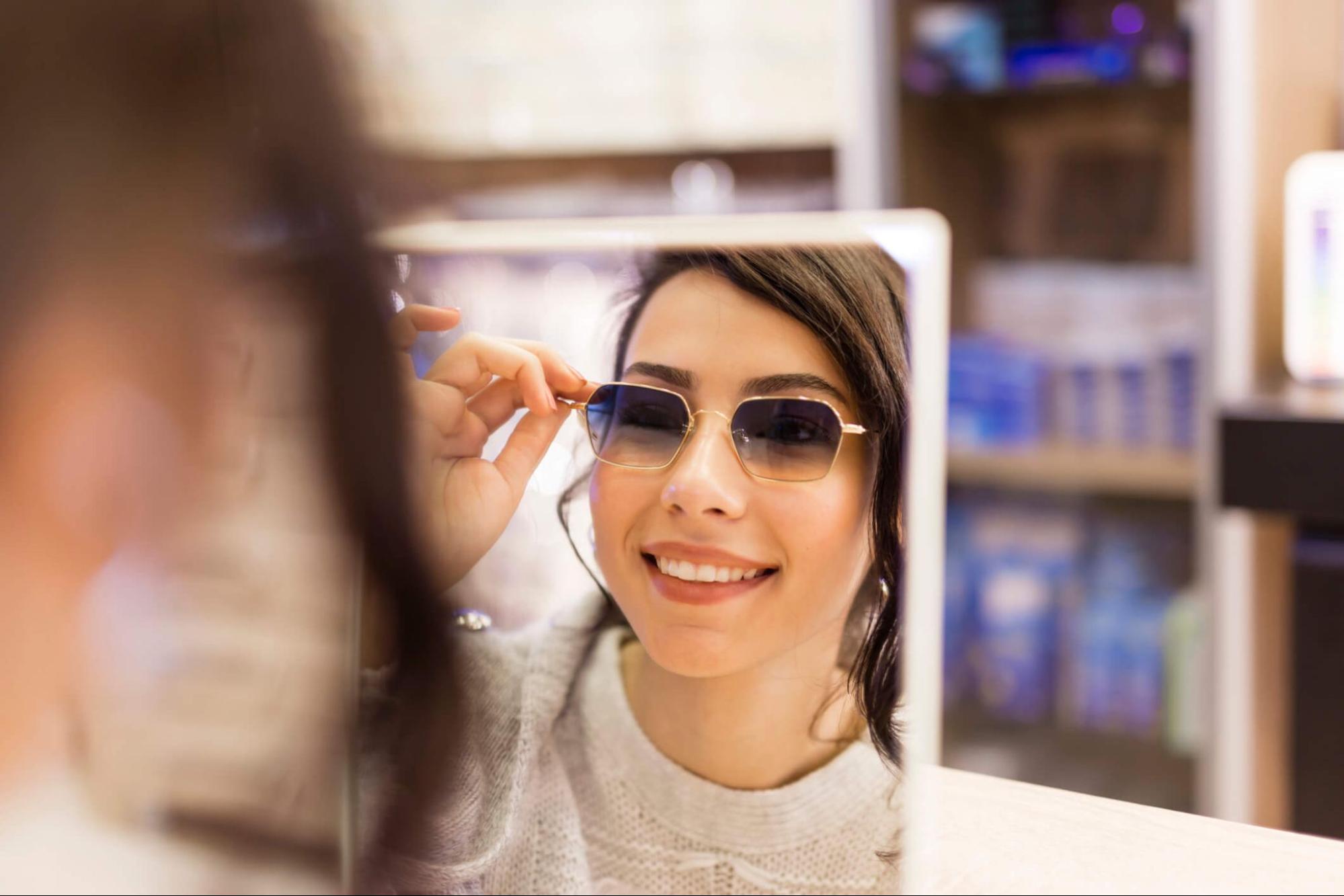
For shoppers weighing comfort, function, and eye health, the best UV protection sunglasses do more than reduce brightness on sunny days. They can support long-term eye protection and make daily wear more comfortable across driving, outdoor activities, and routine time in the sun.
PerfectLensWorld offers a Sunglasses collection that makes it easier for adults and kids to compare styles, fit, and coverage for everyday wear. Explore the Perfect Blog or contact us for more guidance on choosing eyewear with proper UV protection.
Best UV Protection Sunglasses FAQs
What UV Protection is Best for Sunglasses?
The best standard is 100% UVA and UVB protection, which is often labeled as UV400. That label indicates the lenses block ultraviolet light up to 400 nanometers.
Which Is Best, Polarized or UV Protection Sunglasses?
UV protection should come first because it blocks harmful ultraviolet radiation. Polarization is a separate feature that reduces glare. The stronger option is a pair that offers both.
What Sunglasses Have the Highest UV Protection?
Sunglasses labeled 100% UV protection or UV400 offer the highest commonly recommended level for daily wear.
Is Polarized Better Than 100% UV Protection?
No. Polarization reduces glare, but it does not replace UV protection. A pair should block 100% of UVA and UVB rays first, then add polarization if glare reduction is needed.

