


Top Foods That Naturally Support Better Eye Health
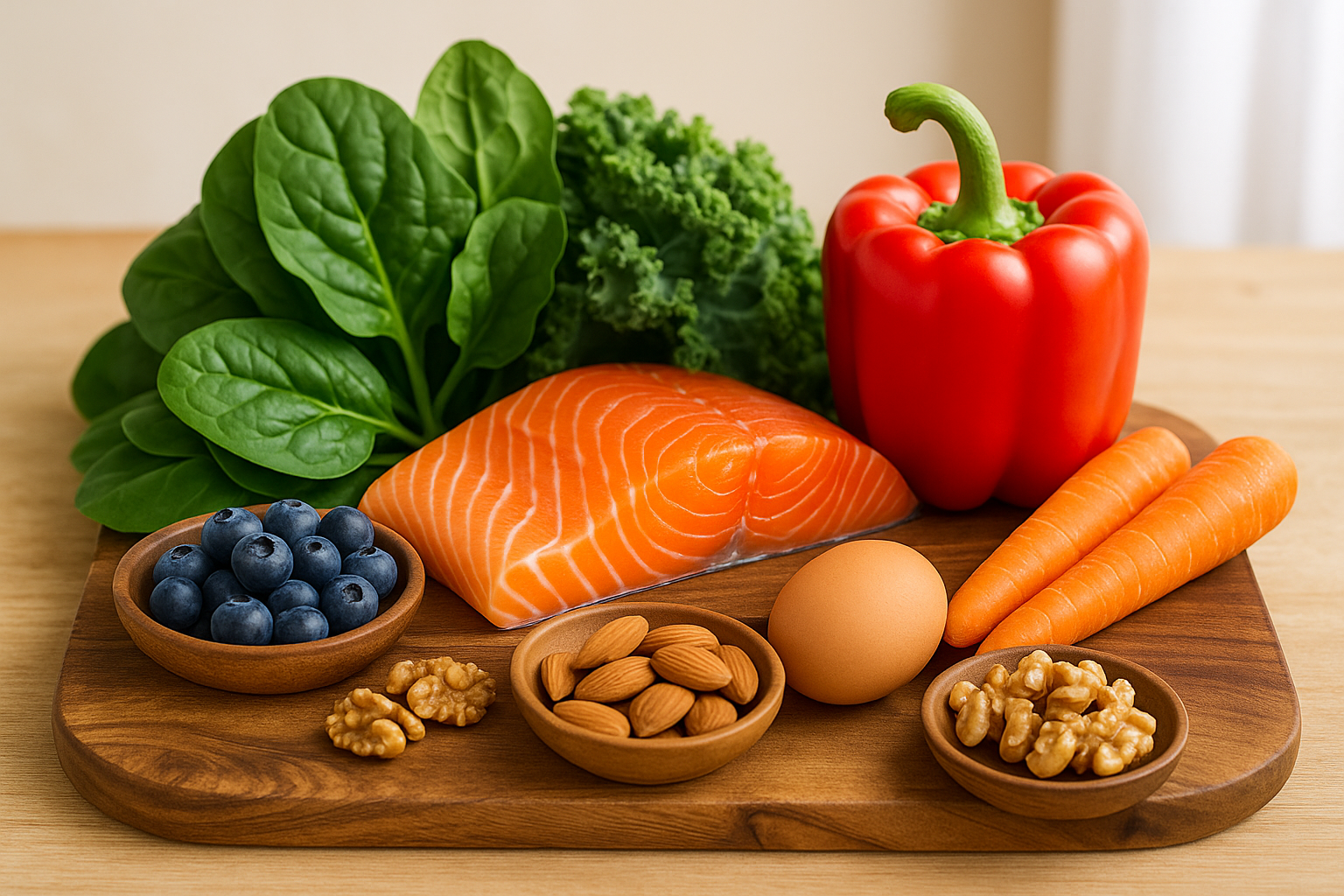
Taking care of your eyes is really important for your overall well-being, and what you eat plays a huge role in that. The foods you choose can directly impact your eye health by lowering the risk of diseases and boosting your vision.
In this article, we’ll look at some fantastic foods that can help keep your eyes in top shape, along with tips on how to easily add them to your daily meals.
Eye Health Support and Food
Good nutrition is key to keeping your vision sharp and preventing various eye issues. Eating a diet rich in certain nutrients can protect your eyes from age-related conditions like macular degeneration and cataracts. Here are some vital nutrients to keep in mind:
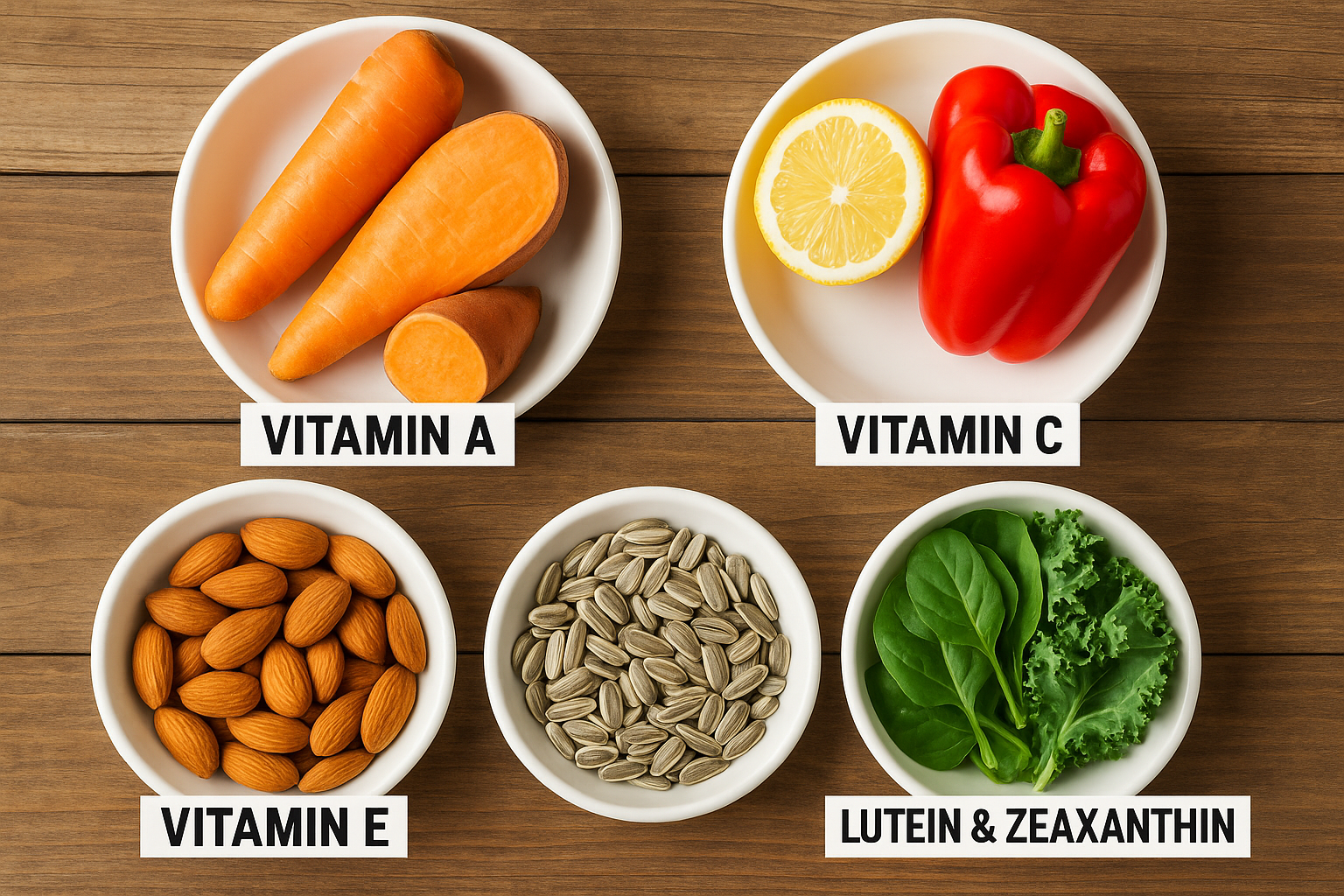
- Vitamins A, C, and E: These vitamins are super important for your eyes. Vitamins A, C, and E are essential for eye health and can be found in foods like carrots, sweet potatoes, and bell peppers.
- Antioxidants: Lutein and zeaxanthin are particularly beneficial because they help shield your eyes from age-related macular degeneration by neutralizing harmful free radicals.
These nutrients work together to fight oxidative stress and inflammation, which are known to harm eye health. So, a balanced diet filled with these vitamins and minerals can lead to much better outcomes for your eyesight.
Top Nutrients for Eye Health and Their Sources
Let’s dive into some specific vitamins and minerals that are great for your eyes:
- Vitamin A: Essential for clear vision, you can find it in foods like carrots, sweet potatoes, and dark leafy greens.
- Vitamins C and E: These vitamins act as the body’s protectors against harmful oxidative stress. Citrus fruits, strawberries, and nuts are fantastic sources.
- Lutein and Zeaxanthin: Found mainly in leafy greens like kale and spinach, these antioxidants help filter out harmful blue light.
Here are a few easy ways to incorporate these nutrients into your meals:
- Toss kale and spinach into salads or blend them into smoothies for a healthy boost.
- Grill omega-3-rich fish like salmon or trout alongside sautéed veggies for a tasty meal. If you're interested in exploring various options, check our selection of omega-3-rich fish available.
- Snack on eggs and nuts; both are excellent sources of lutein, zeaxanthin, and zinc.
Making your meals good for your eyes doesn’t have to be complicated or boring!
Best Foods for Eye Health
Leafy greens should definitely be a staple in your diet if you're looking to improve your eyesight. They're loaded with essential nutrients and can easily be added to various dishes, including:
- Salads: Mix arugula, spinach, and colorful veggies for a fresh, flavorful salad full of nutrition.
- Smoothies: Blend leafy greens with tasty fruits like bananas and berries for a delicious drink that’s also good for your eyes.
Also, think about adding these foods for an even better nutrient boost:
- Omega-3-rich fish: Salmon and trout are packed with beneficial fatty acids that support eye function. You can view our full list of healthy fish options for more choices.
- Colorful vegetables: Carrots, bell peppers, and sweet potatoes are full of beta-carotene, which is great for vision—especially in low light.
Bringing these foods into your daily meals can significantly lower your chances of common eye problems and support long-lasting eye health.
How to Easily Incorporate Eye-Healthy Foods into Your Daily Diet
Incorporating foods that are good for your eyes into your daily routine can be simple and enjoyable. Here are some effective tips to get you started:
- Meal Planning: Pick certain days for nutrient-rich meals. For example, designate Mondays as "Leafy Green Day" where you add greens to every meal for a variety of nutrients.
- Flavorsome Breakfasts: Try making an omelet using tomatoes and spinach. It not only tastes amazing but also offers fantastic benefits for your eyes.
- Lively Lunches: Choose a vibrant salad full of leafy greens, nuts, and grilled salmon for lunch. It keeps your energy up and enriches your diet.
Also, choose eye-friendly snacks like raw carrots, bell peppers, or almonds. Quick smoothies filled with fruits and greens are convenient ways to keep up your eye nutrition throughout the day. Small changes can have a lasting impact on your eye health.
The Role of Hydration and Lifestyle in Supporting Eye Health

Staying hydrated is crucial for keeping your eyes moist and comfortable. Proper hydration helps prevent dry eyes and enhances overall comfort. Plus, your lifestyle choices play a big part in your eye health:
- Screen Time Management: Limit your screen time to avoid digital eye strain. Try the 20-20-20 rule: every 20 minutes, take a 20-second break and look at something 20 feet away to help rest your eyes. For tips on responsible technology use, visit our FAQs.
- Outdoor Activities: Make a habit of spending time outdoors. Natural light benefits your vision, especially for kids and young adults in their development.
Hydration and a well-rounded lifestyle work hand in hand to support your eye health, making it important to weave these practices into your daily life for effective eye care.
Eating for Eye Health Support
Eating well is key to keeping your eyes healthy, so it's important to include eye-friendly foods in your daily meals. By adding nutrient-rich options like leafy greens, omega-3-rich fish, and colorful veggies, you can boost your vision and cut down on the risk of eye diseases. As we move forward, being mindful of what you eat, paired with a healthy lifestyle, will go a long way in ensuring your eyes stay healthy. Start adding these foods to your meals today, your eyes will thank you!
Personal Stories and Testimonials
- Success stories from individuals who improved their eye health through dietary changes.
- Sharing insights and experiences that highlight the relatability and effectiveness of dietary modifications.
FAQs
What are the best foods for eye health?
A wide variety of foods can really boost your vision, especially leafy greens, omega-3-rich fish, and colorful veggies. Each type of food provides essential nutrients that support long-term eye health.
How do specific nutrients like lutein and zeaxanthin benefit vision?
Lutein and zeaxanthin are crucial for protecting against age-related eye diseases. They absorb harmful blue light and neutralize free radicals, which helps keep your eyes healthier and lowers the risk of degeneration.
Are there foods that can prevent common eye conditions?
Absolutely! Regularly eating a mix of vitamins and antioxidants found in fruits and vegetables can significantly help prevent problems like cataracts and macular degeneration.
How can I make eye-healthy choices while on a budget?
Keep an eye out for seasonal produce, which tends to be more affordable and packed with nutrients. Frozen fruits and vegetables can also be a budget-friendly option. Planning meals in advance and using leftovers can help you eat well without breaking the bank.

